
The Philippine business landscape is undergoing a rapid digital transformation. To modernize, local organizations are heavily reliant on foreign entities for essential services, ranging from top-tier cloud computing to advanced communication platforms. There is no denying that in terms of service reliability, technological resilience, and cybersecurity, these global products are at the pinnacle of their respective fields.
However, relying entirely on external ecosystems introduces an entirely different dimension of vulnerability: third-party and supply chain risk. When the foundation of your business operations sits on servers halfway across the globe, managed by foreign entities, local businesses expose themselves to hidden geopolitical, financial, and regulatory threats that go far beyond standard technical glitches.
The Geopolitical and Financial Domino Effect
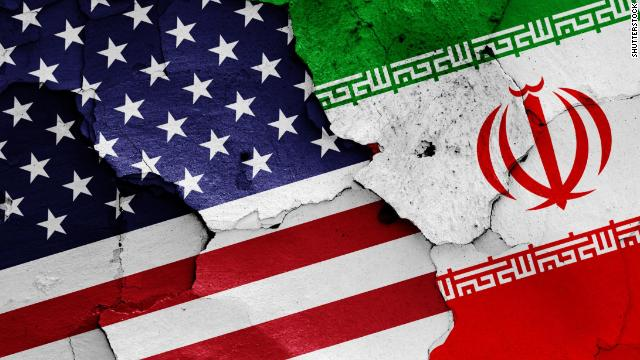
When we discuss business continuity, the conversation often revolves around technical metrics like the Recovery Time Objective (RTO) and Recovery Point Objective (RPO). While these measure how quickly systems can come back online after a crash, they completely ignore a more pressing threat: financial resilience.
In an interconnected global economy, global conflicts and geopolitical tensions directly impact the strength of the dollar exchange rate. For Philippine companies relying on foreign cloud and communication infrastructure, a volatile foreign exchange (forex) market means the cost of doing business can skyrocket overnight. The ripple effect of global events directly increases the cost of hardware imports, fuel, and operational overhead.
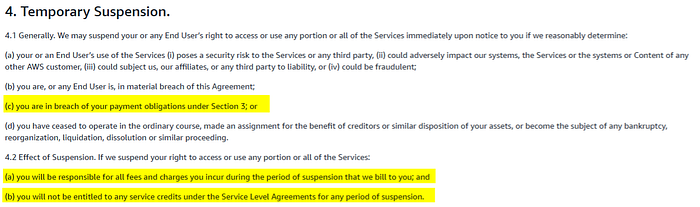
If an organization's finances cannot handle these soaring, dollar-pegged infrastructure costs, the consequences are immediate and severe. If a Philippine company fails to pay its foreign infrastructure and licensing fees, the vendor will simply initiate a lockout. Suddenly, your infrastructure, critical systems, corporate messages, and sensitive documents become completely inaccessible. In these scenarios, having a perfect RPO or RTO is meaningless if you cannot afford to unlock the front door to your own data. This highlights a critical operational gap: relying solely on cloud infrastructure without considering local backups during early business planning can paralyze an organization.
The AI Illusion and the Loss of Control

Adding fuel to the fire is the current hype surrounding Artificial Intelligence (AI). Many Philippine organizations are aggressively acquiring AI solutions from foreign providers to stay competitive. While AI offers immense potential, it brings unprecedented third-party risk.
When a business plugs a foreign AI model into its operational pipeline, it hands over a massive degree of control. The organization rarely owns or controls the underlying infrastructure of these AI systems. If the AI "goes rogue" — whether through silent data exfiltration, algorithmic hallucinations, or unpredictable automated decision-making — local businesses may not even realize it until the damage is done. By rushing to integrate unvetted foreign AI into local systems, we are inadvertently putting our critical corporate infrastructure at immense risk.
The Culture of Silence: Non-Disclosure and Regulatory Blind spots
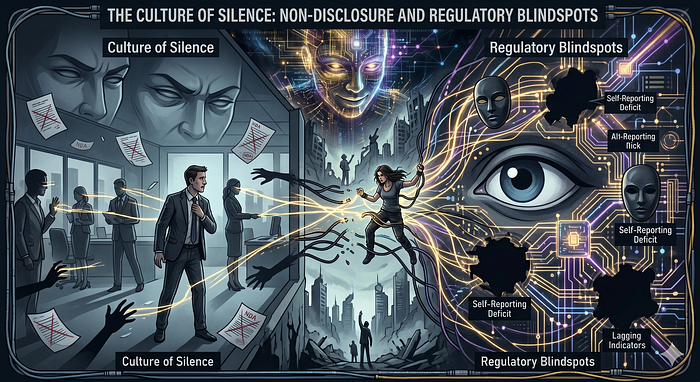
Often, the realization of these risks only dawns on an organization after a catastrophe has already occurred. Unfortunately, the Philippines suffers from a deeply ingrained corporate culture of non-disclosure regarding cybersecurity incidents, data breaches, and digital fraud.
Driven by a fear of reputational damage, many local companies actively find ways to cover up these issues. Often, a breach is only acknowledged publicly when threat actors force their hand — such as when a company falls victim to ransomware and the hackers announce the data leak on the dark web.
If you look closely at threat intelligence networks, it is an open secret which companies have suffered breaches without properly reporting them. This culture of silence is incredibly damaging. It renders local frameworks, such as the Cybercrime Prevention Act and the Data Privacy Act, practically useless. Regulatory bodies cannot adequately monitor, investigate, or protect the public from incidents they do not know exist, leaving the entire local supply chain vulnerable to repeated attacks.
Core Third-Party and Supply Chain Risks
To summarize, Philippine organizations face the following critical risks when relying on foreign third-party digital supply chains:
- Macroeconomic Vendor Lockout: The risk of being locked out of critical data and systems due to an inability to pay dollar-pegged subscription costs driven by global inflation and forex volatility.
- Data Sovereignty and Local Backup Deficits: The risk of permanent data loss or operational paralysis if a foreign cloud provider fails, and the local company possesses no independent, localized backups.
- Unmanaged Artificial Intelligence: The risk of foreign AI systems making erroneous automated decisions, compromising data privacy, or behaving unpredictably without the local organization having the administrative power to stop it.
- Cascading Supply Chain Breaches: The risk that a vulnerability in a third-party vendor's system acts as a backdoor directly into your company's private network.
- Regulatory Failure via Cover-ups: The systemic risk created when local organizations fail to disclose breaches, preventing the sharing of threat intelligence and neutralizing national data privacy protections.
Lowering Risk to an Acceptable Level
As a former Chief Information Security Officer (CISO) and Head of IT Security and Infrastructure managing both On-Prem and Cloud Environment. here are some of the lesson's learning that i wanted to share that most executives didn't see the benefit of having a true reliance implemented.
To protect the Philippine digital economy, organizations must shift from a mindset of blind trust to one of verifiable resilience. Here is how businesses can lower these threats to an acceptable risk level:
1. Implement a Hybrid IT and Data Repatriation Strategy
Do not put all your digital assets in a single foreign basket. Ensure that critical business data, databases, and operational documents are backed up locally (on-premise or via local Philippine data centers). This ensures that even in the event of a foreign vendor lockout or financial shortfall, the business retains ownership and access to its most critical information.
2. Establish Financial Hedging and Buffer Budgets
Risk management must involve the finance department. When budgeting for foreign SaaS and cloud infrastructure, companies should account for forex volatility. Creating financial buffers or utilizing currency hedging strategies can protect the business from sudden spikes in the dollar exchange rate, ensuring vendor licenses are always paid.
3. Enforce Strict AI Governance and Sandboxing
Before integrating foreign AI tools, organizations must establish a strict AI governance framework. AI should not be given unchecked access to critical infrastructure or sensitive customer data. Implement "sandboxing" testing the AI in an isolated environment to monitor its behavior before allowing it to interact with core business operations.
4. Cultivate a Culture of Transparency and Compliance
Organizations must abandon the culture of cover-ups. Complying with the National Privacy Commission's mandatory breach reporting rules is not just a legal obligation; it is a vital part of national cybersecurity. By reporting incidents, companies help build local threat intelligence, allowing other businesses to patch vulnerabilities before they are exploited.
5. Enhance Vendor Due Diligence and Contracts
Treat third-party vendors as an extension of your own business. Demand strict Service Level Agreements (SLAs) that include clauses for data extraction in the event of contract termination. Regularly audit your vendors' security postures, and have a clear, documented exit strategy if a vendor becomes too expensive or too risky to maintain.
By recognizing these hidden vulnerabilities and taking proactive steps to address them, Philippine businesses can enjoy the benefits of global technology while safeguarding their operations, their finances, and their customers.
Thank you for reading