Network Hacking
1. Network Penetration Testing Introduction
In the realm of cybersecurity, network penetration testing is a critical skill that lays the foundation for understanding and exploiting vulnerabilities in interconnected systems. Whether targeting a personal computer, a corporate server, or even a website, all these systems are invariably tied to a network. Since the internet itself is essentially a colossal network, mastering network penetration testing becomes indispensable for cybersecurity professionals.
This guide introduces the essentials of network penetration testing and provides a structured roadmap for exploring its various facets.
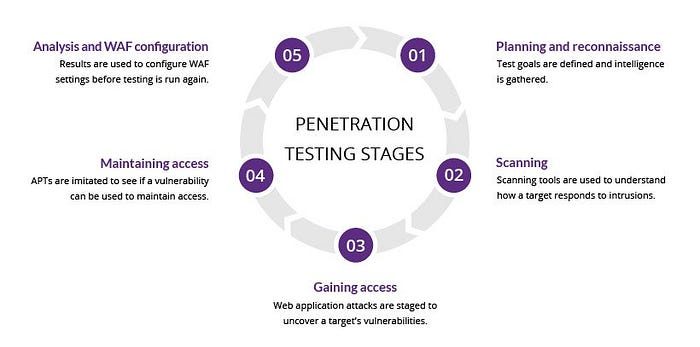
Why Start with Network Penetration Testing?
Network penetration testing is the backbone of ethical hacking because every digital entity — whether a computer, server, or website — relies on network connectivity. Understanding how devices communicate within a network and identifying vulnerabilities in these communications are key to protecting and exploiting them effectively.
Networks are ubiquitous, making them the first logical step in a penetration testing journey. By learning network hacking techniques, you lay a strong foundation for exploring advanced cybersecurity concepts.
A Three-Step Approach to Network Penetration Testing
This blog divides the process of network penetration testing into three logical subsections:
1. Attacks Before Connecting to a Network
The first stage involves exploring what can be achieved without even connecting to a network. Using just a computer and a network interface (such as a Wi-Fi adapter), attackers can discover vulnerabilities and collect valuable information. These attacks focus on reconnaissance and exploiting weaknesses in networks visible to a device.
Key topics covered:
- Scanning for available networks
- Identifying active devices
- Analyzing network traffic
- Discovering hidden or weak configurations
2. Cracking Wi-Fi Keys
Once reconnaissance is complete, the next goal is to penetrate wireless networks by cracking their security keys. This involves targeting Wi-Fi networks secured with protocols such as WEP, WPA, and WPA2.
Techniques explored:
- Cracking WEP keys: Analyzing weaknesses in this outdated protocol
- Exploiting WPA/WPA2 networks using brute-force or dictionary attacks
- Capturing and decrypting packets to gain network access
Successfully cracking these keys provides access to the network, paving the way for the next stage.
3. Attacks After Connecting to a Network
This is where network penetration testing truly becomes exciting. Once inside a network, an attacker can exploit a wide range of vulnerabilities to intercept, manipulate, and exploit data flows.
Key skills learned:
- Intercepting Connections: Capturing sensitive information such as usernames, passwords, URLs, and chat messages.
- Data Manipulation: Modifying or injecting malicious data into live traffic.
- DNS Spoofing: Redirecting users to fake websites to steal credentials or spread malware.
- Packet Injection: Injecting malicious code into websites or network requests.
These techniques apply to both Wi-Fi and wired networks, making them universally valuable for penetration testing scenarios.
Exciting Possibilities with Network Penetration Testing
Network penetration testing offers numerous opportunities to uncover vulnerabilities and test security measures. By the end of this journey, you'll be equipped to:
- Identify weak points in network configurations.
- Understand encryption protocols and their limitations.
- Gain access to secure networks through advanced cracking methods.
- Manipulate and analyze live data traffic.
Conclusion
Network penetration testing is a cornerstone of ethical hacking and cybersecurity. By mastering the techniques discussed in this guide, you'll develop the skills to uncover vulnerabilities, test defenses, and understand how networks operate under the hood. Whether you're working with Wi-Fi or wired connections, the tools and methods of network penetration testing are indispensable for building a secure digital landscape.
Stay tuned as we dive deeper into each section, offering hands-on guides and practical examples to help you become proficient in this essential domain of cybersecurity.