As a neurodivergent person, I've spent much of my life feeling like I'm reading from a different script than everyone else. Social cues, small talk, the unwritten rules of "how to be" — they never quite clicked for me the way they seemed to for others. Yet strangely, that very difference didn't always push people away. More often than not, it drew them in.
My bluntness was labeled "brave." My idealistic streak was called "refreshing" or "inspiring." People clapped for my honesty, admired my willingness to say the quiet parts out loud. On the surface, I was popular. Liked. Even put on something of a pedestal.
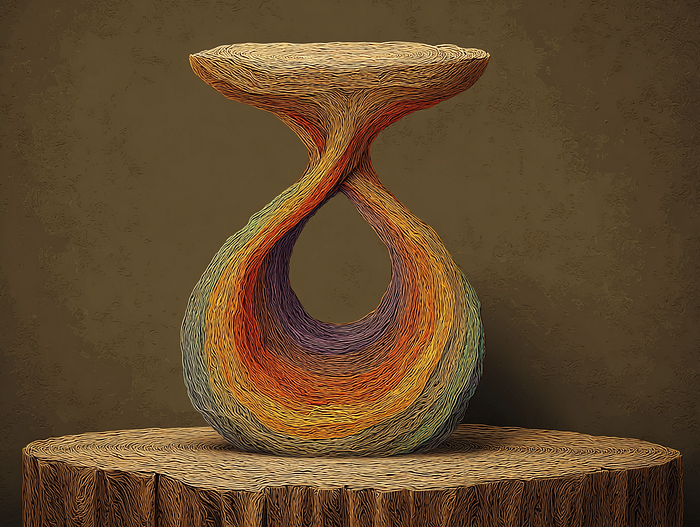
But here's the twist I've come to understand: being admired from below isn't the same as being met as an equal. A pedestal might feel like praise at first — until you realize it's also a very tall, very narrow cage.
From up there, people look up to you. They cheer your courage, your clarity, your refusal to play the usual games. It sounds flattering. Yet the applause creates distance. They aren't really connecting with me — they're connecting with an idea of me. A symbol. An inspiration they can point to when they want to feel bolder themselves, without having to risk the same vulnerability.
It's a strange kind of loneliness: being celebrated for the exact traits that make genuine closeness feel out of reach.
People watched me like I was on stage — entertained, moved, maybe even changed by the performance. But few ever came backstage. Few wanted to sit in the messy wings with the real person underneath, the one who's tired, uncertain, or just human like everyone else.
Keeping me elevated meant they didn't have to step up to the same level. Meeting me eye-to-eye would require dropping their own masks, risking their own raw honesty. For many, that's too uncomfortable. So they stay in the audience, safe. I stay the "hero" — admired, but separate.
My way of seeing — high-resolution, completionist, allergic to surface-level scripts — gets flattened into something simpler. "Superpower," they call it. A neat label that excuses them from trying to match the frequency. My "weirdness" isn't a flaw; it's just fidelity in a world that often prefers low-res icons.
The result? Even when I was "winning" socially — getting the likes, the compliments, the nods of approval — the bridge to real, unfiltered connection rarely got built. The cheers rang out, loud and sincere, but they echoed in a space that still felt empty.
Understanding this dynamic has changed how I move through relationships now. I pay attention to who actually steps down from the seats and joins me on the stage — or better yet, who's willing to wander into the wings for the quiet, unscripted conversations that matter most.
Because real connection doesn't live on a pedestal. It lives in the gloriously messy, unglamorous middle ground where we can both take off the costumes and just… be. No scripts. No elevation. Just two people seeing each other clearly, and choosing to stay anyway.
Disclaimer: This piece was co-written with the help of AI, which assisted in refining structure, language, and flow while preserving my voice and experiences.