


I thought I was just tired.
But apparently, I was emotionally exhausted.
That night, I did what most people do when they're overwhelmed but don't want to admit it: I distracted myself. I scrolled endlessly through my phone while the blue light burned into my eyes. I replayed random videos I barely paid attention to. I replied to messages with "I'm okay" even though my chest already felt tight in that familiar, unexplainable way.
I kept trying to stay functional.
And then, somewhere between pretending to be fine and trying not to think too much, I broke down.
Not dramatically.
No screaming.
No cinematic meltdown.
No grand emotional moment.
Just quiet tears hitting the fabric of my pillow in a dark room — the kind of crying where you don't even bother wiping your face anymore because you're finally too tired to maintain the mask.
What surprised me wasn't the crying.
It was what happened after.
I slept better than I had in weeks.
Deep sleep.
Quiet sleep.
The kind where your jaw finally unclenches and your body stops bracing itself against invisible stress.
And the next morning, one thought stayed with me:
Why did crying feel more healing than all the self-care routines I'd been forcing myself to do?
Maybe We're Not Just Tired
I used to think exhaustion only came from being busy.
Too much work.
Too little sleep.
Too many responsibilities.
But emotional exhaustion feels different.
It's waking up already drained before the day even begins.
It's reheating the same cup of coffee three times because your mind is somewhere else.
It's carrying conversations in your head long after they ended.
It's lying in bed physically exhausted while your thoughts continue pacing in circles at 2 a.m.
And honestly?
I think many of us are living like that without even realizing it.
We normalize emotional pressure because everyone around us also seems exhausted. So we keep going. We keep functioning. We keep performing "being okay" instead of actually feeling okay.
Until the body says: enough.
The Body's Way of Exhaling
The strange thing about crying is that most of us resist it right until it happens.
We hold it in at work.
During conversations.
At dinner tables.
On phone calls.
In public bathrooms where we stare at ourselves in the mirror and whisper, "Pull yourself together."
We treat tears like an inconvenience.
But when I finally cried that night, it didn't feel dramatic.
It felt physical.
Like my body had been carrying invisible tension for days — maybe weeks — and suddenly released it all at once. My breathing became shaky at first, then slower. The tightness in my chest softened. Even the muscles around my eyes felt sore, like they had been holding back too much for too long.
For the first time in weeks, my thoughts became quiet.
And that's when I realized something:
Maybe crying isn't emotional weakness.
Maybe it's emotional regulation.
Later, I learned that emotional tears are actually different from reflex tears. They contain stress-related hormones like cortisol, which is associated with emotional overload and chronic stress. My body wasn't just crying emotionally — it was physically responding to pressure it had been carrying silently for too long.
That realization changed the way I saw tears entirely.
The Quiet After
People talk about crying like it's the breaking point.
But nobody talks enough about what comes after.
That strange emotional silence.
That heaviness in your limbs that somehow feels comforting instead of painful.
The feeling of staring at the ceiling afterward while the room becomes unbearably still — except now the silence feels gentle instead of suffocating.
I felt that.
And I think that's why I slept so well.
Not because my problems disappeared overnight.
Not because life suddenly became easier.
But because my body was no longer fighting to contain everything.
Trying Too Hard to Be Fine

Looking back, I realized I spent most of my life trying to avoid emotional discomfort.
I wanted to be composed.
Strong.
Easygoing.
Resilient.
So instead of processing emotions, I managed them.
I turned them into dry jokes at brunch, heavy silences during long car rides, and that universal lie we all tell when someone asks how we are:
"I'm just tired. I didn't sleep well."
We choose the physical excuse because it's easier than explaining the emotional one.
And eventually, that emotional backlog became exhaustion.
The dangerous part is how normal it started to feel.
I didn't even realize how overwhelmed I was until my body forced me to stop pretending.
We Treat Tears Like Failure
Somewhere along the way, many of us learned to associate crying with weakness.
Especially as adults.
We apologize immediately after it happens.
"Sorry, I'm emotional."
"Sorry, I'm tired."
"Sorry, I don't know why I'm crying."
But maybe tears are not the problem.
Maybe they're evidence that the body is trying to process what the mind keeps suppressing.
Because emotions don't disappear just because we ignore them.
They wait.
In the tension sitting across your shoulders while you drive home.
In the headaches that arrive every evening.
In the way your stomach tightens when your phone lights up.
In the overthinking before bed.
In the exhaustion that sleep alone can't fix.
And sometimes, they come out through tears because the body needs somewhere to place the weight.
What Rest Actually Means
Before that night, I thought rest meant sleeping longer.
Now I think rest is deeper than that.
Real rest begins when the nervous system feels safe enough to soften.
You can sleep eight hours and still wake up exhausted if your mind never truly lets go.
That night, crying helped me let go.
Not perfectly.
Not permanently.
But enough.
Enough for my breathing to slow naturally.
Enough for my shoulders to stop tensing against the mattress.
Enough for sleep to finally feel peaceful instead of temporary escape.
I don't even remember the exact moment I fell asleep.
And honestly, I think that says everything.
The Morning After
The next morning, I expected embarrassment.
Instead, I felt clarity.
Not dramatic clarity.
Not a life-changing revelation.
Just a quiet understanding that maybe I had been too hard on myself for too long.
The sunlight coming through my curtains felt softer somehow. My eyes were swollen, my pillow was still damp, and yet my chest no longer felt unbearably heavy.
I realized how often I demanded emotional control from myself without offering emotional care in return.
How often I expected myself to keep functioning no matter what I was carrying internally.
And honestly?
I think a lot of people are doing the same thing.
We've become experts at looking okay while silently falling apart.
Maybe Crying Is a Reset
I'm not saying crying magically heals everything.
It doesn't erase heartbreak.
It doesn't fix anxiety.
It doesn't solve grief.
But I do think it creates movement.
And sometimes movement is where healing begins.
Because staying emotionally stuck is exhausting.
Holding everything in is exhausting.
Pretending not to care is exhausting.
At least tears are honest.
At least they allow the body to stop performing strength for a moment.
If You've Been Holding Everything Together
Maybe this is your reminder that you don't have to be emotionally perfect all the time.
You don't always have to stay composed.
You don't always have to "handle it well."
You don't always have to push through every feeling immediately.
Sometimes your body is asking for release, not productivity.
And maybe that release looks like crying quietly in the middle of the night while the rest of the world sleeps.
Maybe it looks like finally admitting you're overwhelmed.
Maybe it looks like allowing yourself to feel something instead of numbing it instantly.
That doesn't make you weak.
It makes you human.
What That Night Taught Me
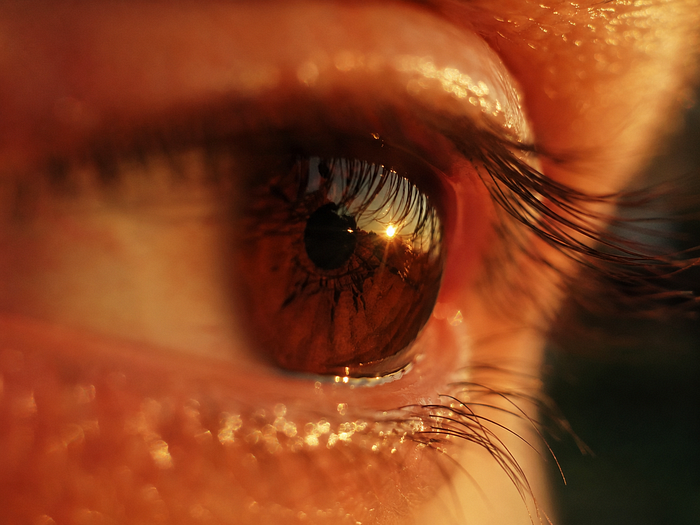
I still think about that night sometimes.
Not because it was dramatic.
But because it was honest.
It taught me something I wish more people talked about:
Sometimes the body cries before the mind is ready to admit how tired it really is.
And maybe that's why sleep came so easily afterward.
Not because everything was suddenly fixed.
But because, for one honest moment, my body finally stopped carrying everything alone.