

Bitcoin entered 2026 under sustained pressure, trading near $87,500 — approximately 30% below its October peak of $126,000. The decline capped a volatile cycle in which the world's largest cryptocurrency surged to record highs before a rapid reversal erased months of gains.
Investor sentiment has deteriorated sharply. On January 1, the Crypto Fear & Greed Index fell to 20, firmly in "extreme fear" territory, highlighting one of the most abrupt sentiment reversals in recent years.
Tariff Shock Triggers a Violent Market Reversal

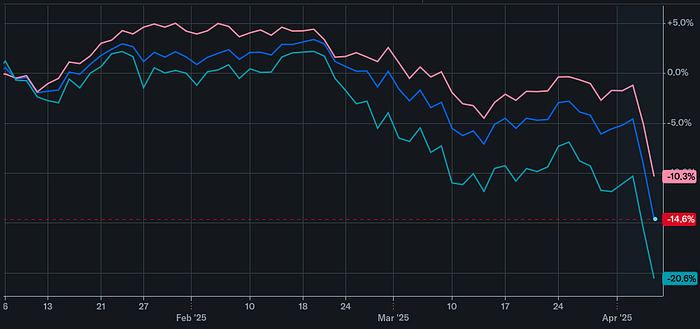
The sell-off was ignited by a sudden macroeconomic shock. On October 10, President Donald Trump announced 100% tariffs on Chinese imports, sending immediate ripples through global financial markets.
Crypto assets, already stretched by elevated leverage, reacted aggressively. Within 24 hours, more than $19 billion in forced liquidations swept across digital asset exchanges, transforming what began as a correction into a full-scale market unwind.
Leverage and Liquidity Collapse Intensified the Downturn
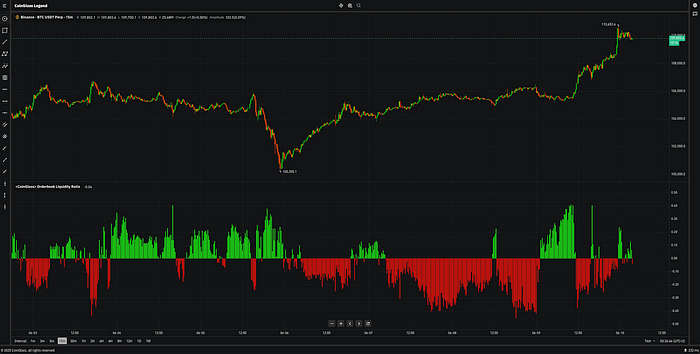
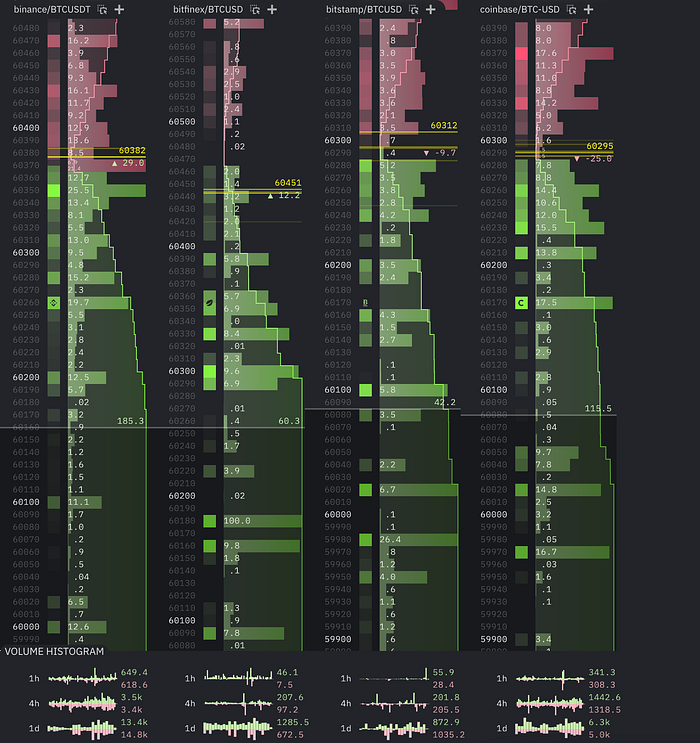
The severity of the decline reflected a dangerous convergence of excessive leverage and evaporating liquidity. During the liquidation cascade, order book depth on major exchanges collapsed by over 90%, while bid–ask spreads widened from negligible levels into double-digit percentages.
At the same time, open interest in Bitcoin futures fell by $36.7 billion, a 25% contraction, as automated deleveraging systems closed positions indiscriminately. The episode exposed structural fragilities that remain dormant during rallies but surface rapidly under stress.
From Election Optimism to a Macro Reality Check
Bitcoin began 2025 near $95,000, supported by optimism following Trump's November 2024 election victory and his pledge to position the United States as a global crypto leader. Prices advanced steadily through the year, culminating in all-time highs in early October.
That optimism proved fragile. The tariff announcement days later reintroduced macroeconomic uncertainty, prompting a swift repricing of risk. Bitcoin, rather than acting as a defensive asset, moved decisively in line with broader risk-off behavior.
Is 2026 a Historical 'Cooling Year' for Bitcoin?

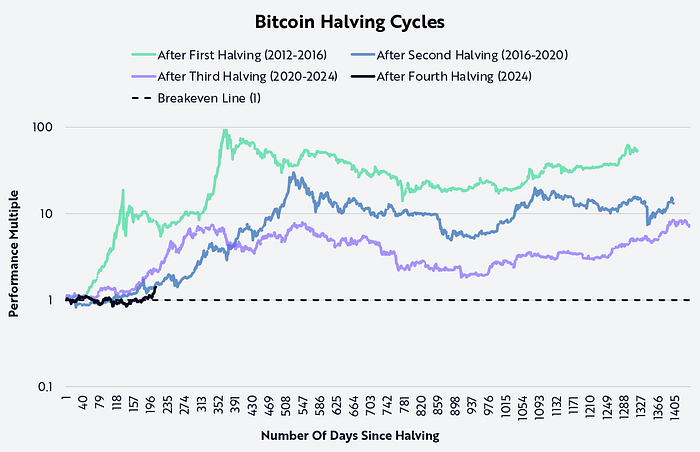
Analysts have looked to Bitcoin's four-year halving cycle for historical context. Following the April 2024 halving — when mining rewards were reduced from 6.25 to 3.125 BTC per block — past cycles suggest strong performance in the first year, followed by consolidation or correction in the second.
Under this framework, 2026 aligns with prior cooling phases observed in 2014, 2018, and 2022. These periods are often characterized by reduced speculation and a gradual transition toward longer-term positioning.
Institutional ETFs May Be Reshaping the Cycle
Some market strategists argue that Bitcoin's traditional cycle is evolving. Since their launch in January 2024, spot Bitcoin ETFs have accumulated over $137 billion in assets and now control nearly 7% of total supply.
This consistent institutional demand may reduce the dominance of halving-driven volatility, introducing a more structured, capital-markets-led price discovery process that dampens extreme boom-and-bust dynamics.
Long-Term Holders Quietly Resume Accumulation

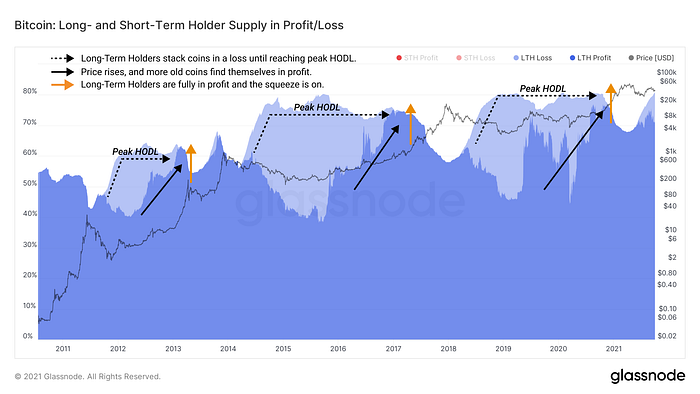
Despite ongoing volatility, on-chain data points to a notable shift beneath the surface. Long-term holders — wallets holding Bitcoin for more than 155 days — have returned to net accumulation after months of distribution.
Recent figures indicate a positive 30-day net position change of approximately 33,000 BTC, a pattern that historically precedes periods of consolidation and, in some cases, early-stage recovery.
Outlook: Wide Price Ranges and Elevated Uncertainty

Looking ahead, expectations remain unusually dispersed. Long-term forecasts remain optimistic, with some projections targeting $250,000 by the end of 2027, while near-term visibility is limited.
Options markets currently imply nearly equal probabilities for dramatically different outcomes in 2026, with potential price paths ranging from $50,000 to $250,000. The breadth of this range underscores the market's uncertainty as Bitcoin navigates shifting macroeconomic conditions and deeper institutional involvement.
Conclusion
Bitcoin enters 2026 not in celebration, but in recalibration. Excess leverage is being purged, sentiment has swung decisively toward fear, and market structure is adapting to a more complex global environment. Whether this phase becomes a foundation for renewed growth or an extended consolidation will depend on how effectively the ecosystem absorbs these structural changes.