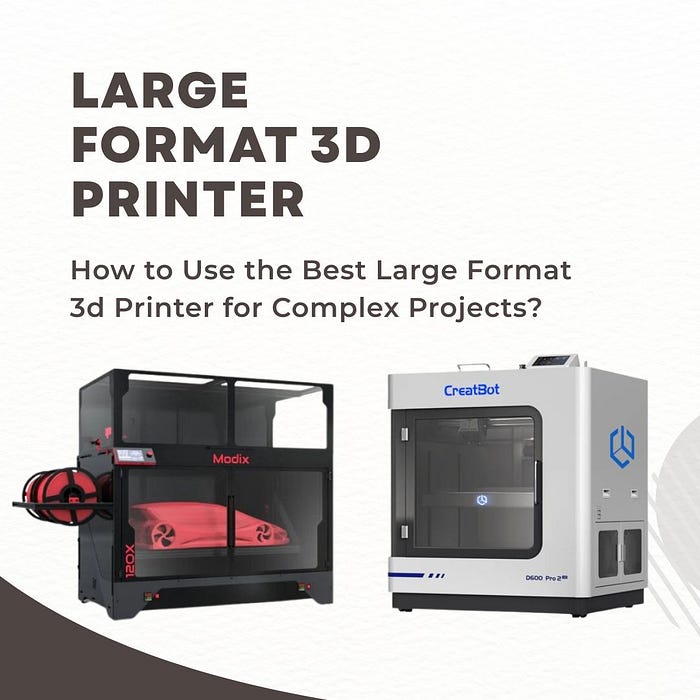

Ever wondered how engineers and designers bring massive, intricate 3D models to life? Using a large format 3D printer for complex projects might seem intimidating at first. From choosing the right materials to fine-tuning printer settings, there are many details to manage. But with the right approach, even the most detailed and challenging designs can be printed with precision and efficiency.
The key is understanding your printer's capabilities and limitations, so you can plan each print carefully. Layer height, print speed, and support structures all play a crucial role in achieving a flawless result. It's also important to experiment with different filaments and techniques to see what works best for your specific project. Small adjustments early on can save hours of troubleshooting later. With patience and practice, your large format 3D printer can turn even the most ambitious ideas into reality.
At Evo 3D, we help creators and engineers get the most out of their large format 3D printers. From expert advice to practical tips, we guide you through every step to make your complex projects a success.
Ways to Use a Large Format 3D Printer for Complex Projects
Tackling complex 3D projects doesn't have to be overwhelming. Large format 3D printers open up possibilities that smaller machines simply can't achieve. From creating oversized prototypes to intricate structural components, the opportunities are endless.
With the right strategies, challenging designs can be simplified and brought to life efficiently. Whether you are an engineer or a hobbyist, these tips help you get the best results.
Design Splitting
Ever wondered why even the best designs sometimes fail during large prints? When working with the best large format 3D printer, splitting a complex model into smaller parts can make a huge difference. It reduces stress on the printer and improves overall accuracy. Large builds become easier to manage, transport, and assemble later. This approach also minimises material waste if a single section needs reprinting. Thoughtful design splitting helps you get consistent results every time.
It also allows you to optimise print orientation for each section, improving surface quality and strength. Smaller parts are less likely to fail during long print cycles. Once assembled, the final structure remains just as strong and visually seamless.
Material Selection
Choosing the right material is just as important as the design itself. Different projects demand different strengths, finishes, and durability levels. When sourcing materials from a trusted 3D printer UK provider, you gain access to filaments suited for professional and creative needs. Material choice affects print stability, surface quality, and long-term performance. Testing materials beforehand ensures better outcomes for complex builds. The right filament can elevate your project from good to exceptional.
Print Calibration
Are your prints falling short despite a solid design? Proper calibration is essential, especially when using a 3D printer for education or advanced projects. Fine-tuning settings like layer height, temperature, and speed ensures accuracy and consistency. Well-calibrated printers reduce print failures and improve learning outcomes in educational environments. Small adjustments can significantly enhance final print quality. Calibration turns complex projects into reliable successes.
Regular calibration also extends the lifespan of your printer and reduces material waste. Over time, this leads to more predictable results and greater confidence in every complex print you produce.
Smart Supports
Do support structures make or break your final print? Using smart supports with the best large format 3D printer helps maintain detail without excessive material use. When combined with insights from a 3D scanner, supports can be placed more accurately.
This improves surface finish and reduces post-print cleanup. Strategic support placement prevents sagging and deformation in complex structures. Smarter supports lead to cleaner, more professional results.
Post-Processing
Is your print truly finished once it leaves the printer bed? Post-processing is where complex prints really come to life. With guidance from a reliable 3D printer UK expert, techniques like sanding, bonding, and finishing enhance durability and appearance.
This step refines details and improves functionality. Proper post-processing transforms raw prints into polished, real-world components. It's the final touch that brings your project together.
Final Thoughts
Mastering complex projects with a large format 3D printer takes planning, patience, and the right techniques. By focusing on smart design choices, materials, calibration, and finishing, you can unlock the full potential of your printer. With expert support and the right tools, even the most ambitious ideas can become a reality.
At Evo 3D, we support creators and engineers with expert guidance and reliable large format 3D printing solutions. From setup to final output, we help turn complex ideas into successful prints.