
Construction sites are some of the most dynamic workplaces in the UK. Materials move constantly, contractors rotate in and out, and the physical layout can shift from one week to the next. That constant motion is part of what makes the industry exciting. It's also what makes construction sites uniquely vulnerable.
Theft, trespassing, and safety breaches are more common than many people realise. They can stall timelines, inflate budgets, and put workers at risk. Many businesses try to solve these issues with a single fix, like a camera, a fence, or a lock, but no one tool can carry the whole load.
To genuinely protect a site, you need construction site security strategies that work together. Think of it like building a structure: each layer supports the next.
Below is a practical look at what a multi‑layered security approach really involves on UK construction sites.
Human Presence Still Matters More Than People Think
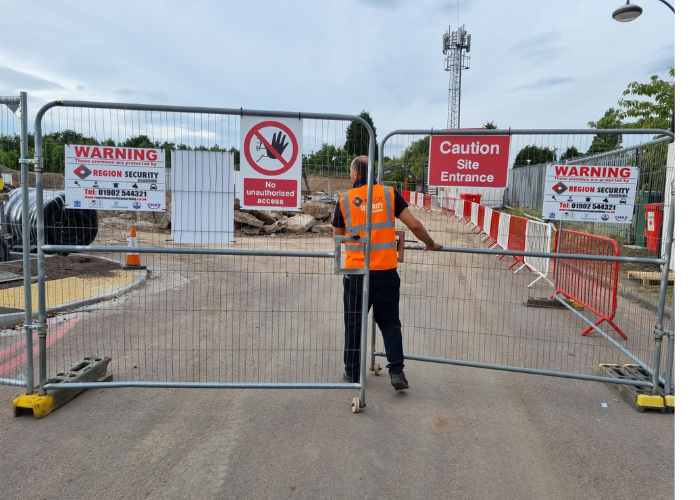
Technology has transformed the industry, but construction sites remain deeply human environments. Deliveries arrive unexpectedly, subcontractors need access at odd hours, and hazards shift throughout the day. A camera can record what's happening, but it can't intervene.
That's why trained on‑site guards remain one of the most effective security strategies for construction sites. They can:
- Spot unusual behaviour long before it becomes a problem
- Verify who should (and shouldn't) be on-site
- Respond instantly to incidents
- Communicate directly with supervisors and contractors
Human judgement fills the gaps that technology can't reach. It's still one of the most reliable ways to protect a busy construction site
Leadership Sets the Tone — And the Standard
One of the biggest misconceptions in the industry is that security is something you add once the build is already underway. In reality, the most secure sites are those where leadership treats protection as part of the project rather than an afterthought.
When site managers prioritise security, workers typically follow suit. When they don't, even the best systems struggle to make an impact.
Strong leadership means:
- Clear access protocols
- Consistent communication with security teams
- Accountability when procedures aren't followed
- Regular reviews of vulnerabilities
These expectations set the tone for how the entire site operates.
Technology Works Best When It's Integrated, Not Isolated
CCTV towers, alarms, access control systems, and remote monitoring have become essential tools. Yet they work best when they're part of a broader plan rather than the whole plan on their own.
Modern sites benefit from:
- Temporary CCTV towers with wide‑angle coverage
- Remote monitoring for out‑of‑hours protection
- Access control turnstiles to manage contractor flow
- Motion‑activated lighting
- AI‑assisted alerts for unusual activity
These tools help keep construction sites secure, especially during nights, weekends, and shutdown periods. Their impact is strongest when they're paired with human oversight and clear procedures.
Collaboration Is the Quiet Force Behind Secure Sites
Construction projects involve dozens of moving parts. These include contractors, subcontractors, suppliers, site managers, and security teams. When these groups operate in isolation gaps can start to appear. These openings are exactly what criminals look for.
Effective collaboration means:
- Shared communication channels
- Joint incident‑response planning
- Clear reporting expectations
- Regular briefings between contractors and security staff
This is where construction site safety and security becomes more than a checklist. It becomes a culture that everyone on-site contributes to.
Behaviour, Reporting, and the Everyday Habits That Make a Difference
Even the strongest systems can be undermined by small oversights: a gate left open, a tool left out, a delivery left unlogged. That's why the routines and behaviours on-site are such an important layer of protection,
Encouraging workers to report issues, question unfamiliar faces, and follow access procedures consistently can transform a site's risk profile.
This is one of the most overlooked types of security for construction sites in the UK. It's not the equipment that matters most in this layer, but the habits people build.
How to Improve Your Construction Site Security
Creating a more secure construction site isn't about relying on one tool or one team. It's about building a system where people, processes, and technology all support each other.
Human presence handles the unexpected. Leadership sets the expectations. Technology strengthens coverage. Collaboration closes the gaps. And everyday behaviour keeps the whole site running safely.
When these layers work together, security stops being reactive and becomes part of how the site operates day to day.
A Multi‑Layered Approach Builds Real Resilience
There's no single fix for crime on construction sites or the safety risks that come with them. But when on-site teams, leadership, technology, collaboration, and behaviour all work together, the result is a site that's genuinely difficult to breach.
That's the heart of best practices for construction site security. It's never about a single tactic, but a set of approaches that support one another.
Construction sites will always be busy environments with a lot happening at once. However, with the right layers in place, they can also be secure, resilient, and far better protected against the risks that come with the job.