

Introduction
Technology has become an essential part of modern life, shaping how people communicate, work, learn, and make decisions. In the digital age, technology is no longer limited to physical machines or basic tools. It includes digital systems, software, networks, and intelligent devices that connect individuals and organizations across the world.
Understanding technology in the digital age means recognizing how digital tools transform everyday activities and influence social, economic, and cultural development. From smartphones and cloud computing to artificial intelligence and online platforms, technology continues to redefine how information is created, shared, and used.
This article explores the meaning of technology in today's digital world, its key features, and its role in different sectors of society. By gaining a clear understanding of modern technology, individuals and businesses can better adapt to change and take advantage of new opportunities in an increasingly digital environment.
Defining Technology in Modern Society
Technology in modern society refers to the practical use of scientific knowledge to create tools, systems, and processes that solve problems and improve daily life. It includes both physical devices, such as computers and smartphones, and digital solutions like software, applications, and online platforms.
In today's world, technology is deeply integrated into social and economic activities. People rely on digital tools for communication, education, healthcare, and business operations. This shows that technology is not only about machines but also about how information is managed and shared.
Modern technology is defined by speed, connectivity, and automation. Systems are designed to work together through networks, enabling instant communication and data exchange. As a result, technology shapes how societies function, make decisions, and grow in the digital age.
Meaning of Technology Today
Technology today means the use of digital tools, systems, and knowledge to improve how people live and work. It goes beyond machines and includes software, mobile applications, online platforms, and intelligent systems that process information and support decision-making.
In modern society, technology is closely linked with communication and connectivity. People use digital devices to access information, interact with others, and perform daily tasks quickly and efficiently. This makes technology an essential part of everyday life rather than a separate technical field.
Technology today also represents innovation and problem-solving. It helps address challenges in healthcare, education, business, and transportation by providing faster, smarter, and more reliable solutions. As a result, technology is seen as a driving force behind social and economic progress in the digital age.
Evolution of Technology Over Time
Technology has evolved continuously from simple tools to complex digital systems. Early technologies focused on basic human needs, such as tools for farming, construction, and transportation. These inventions helped societies increase productivity and improve living standards.
The industrial era introduced machines powered by steam and electricity, transforming manufacturing and large-scale production. This period marked a shift from manual labor to mechanized work, leading to faster output and economic growth.
In the late twentieth century, digital technology emerged with computers and the internet. This changed how information was stored, processed, and shared.
Today, technology is driven by artificial intelligence, automation, and data-based systems. These advances allow real-time communication, smart devices, and digital services, showing how technology continues to adapt and shape human activity over time.
Key Features of the Digital Age
The digital age is defined by the widespread use of digital technologies that store, process, and share information electronically. Unlike earlier periods that relied on physical tools and paper-based systems, today's society depends heavily on computers, mobile devices, and online networks.
One key feature of the digital age is connectivity. The internet links people, businesses, and institutions across the world, allowing instant communication and global access to information. This has changed how individuals interact and how organizations operate.
Another important feature is automation and data-driven systems. Many tasks are now performed by software and intelligent machines, improving speed and accuracy. Large amounts of data are collected and analyzed to support decision-making in fields such as healthcare, finance, and education.
Overall, the digital age is marked by rapid innovation, constant information flow, and increasing reliance on digital platforms in everyday life.
Digitalization and Automation
Digitalization refers to the process of converting information and activities into digital form so they can be managed through computers and online systems. Paper records, manual
digital files, software, and web-based platforms increasingly replace calculations and traditional services. This makes information easier to store, access, and share.
Automation is the use of technology to perform tasks with minimal human involvement. Machines and software systems can now handle repetitive and routine work, such as data entry, manufacturing processes, and customer support through chat systems.
Together, digitalization and automation improve efficiency and accuracy. They reduce errors, save time, and lower operational costs for businesses and institutions. At the same time, they change job roles by shifting human effort toward planning, creativity, and problem-solving rather than manual tasks.
Connectivity and Data-Driven Systems
Connectivity is a central feature of the digital age, made possible by the internet, mobile networks, and cloud-based platforms. It allows people, devices, and organizations to communicate and exchange information instantly, regardless of location. This global connection supports online learning, remote work, and digital commerce.
Data-driven systems use large amounts of information to guide decisions and improve performance. These systems collect data from users, machines, and online activities, then analyze it using software and algorithms. The results help organizations understand patterns, predict outcomes, and plan more effectively.
Together, connectivity and data-driven systems create intelligent digital environments. They enable real-time updates, personalized services, and automated responses, making technology more responsive and efficient in areas such as healthcare, business, and public services.
Major Types of Modern Technology
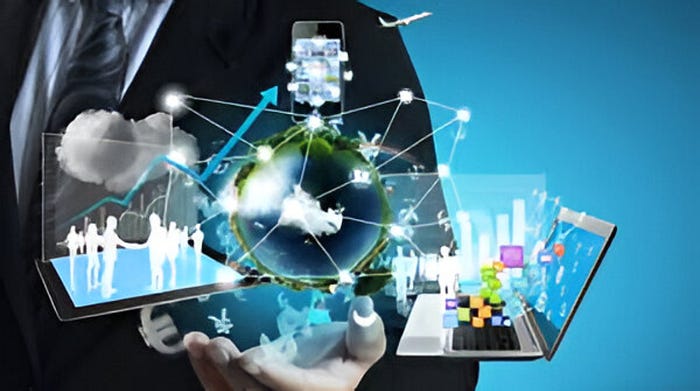
Modern technology can be grouped into several major types based on how it is used and the problems it solves. Each type plays a key role in shaping the digital age and supporting social and economic activities.
Information and Communication Technology (ICT) includes computers, smartphones, networks, and software that enable communication and information sharing. It supports online education, digital business, and global connectivity.
Artificial intelligence and machine learning focus on systems that can learn from data and make decisions. These technologies are used in voice assistants, recommendation systems, and automated services.
The Internet of Things (IoT) connects physical devices to the internet, allowing them to send and receive data. Smart homes, wearable devices, and industrial sensors are common examples.
Cloud computing and big data provide storage and processing power through online platforms. They help organizations manage large amounts of information efficiently and support digital services and innovation.
Information and Communication Technology (ICT)
Information and Communication Technology (ICT) refers to the tools and systems used to collect, store, process, and share information. It includes computers, mobile devices, the internet, communication networks, and software applications that support digital interaction.
ICT plays a central role in modern society by enabling fast and reliable communication. Email, video calls, and messaging platforms allow people and organizations to connect instantly across long distances. This has transformed education, business, and social relationships.
In economic and organizational settings, ICT improves efficiency and coordination. Digital systems help manage data, automate processes, and support decision-making. As a result, ICT is considered the backbone of the digital age, supporting innovation, productivity, and global connectivity.
Artificial Intelligence and Machine Learning
Artificial Intelligence (AI) and Machine Learning (ML) are advanced technologies that enable computers to perform tasks that normally require human intelligence. These tasks include recognizing speech, analyzing images, making predictions, and solving problems based on data.
Machine learning is a branch of AI that allows systems to learn from experience without being explicitly programmed for every action. By processing large amounts of data, these systems improve their performance over time and adapt to new situations.
AI and ML are widely used in everyday applications. Examples include recommendation systems on digital platforms, virtual assistants, and automated customer support. In industries such as healthcare and finance, they help analyze complex data and support accurate decision-making.
Together, artificial intelligence and machine learning increase efficiency and enable smarter digital systems, making them key technologies of the modern digital age.
Internet of Things (IoT)
The Internet of Things (IoT) refers to a network of physical devices connected to the internet, allowing them to collect, exchange, and process data. These devices can range from smart home appliances and wearable fitness trackers to industrial sensors and connected vehicles.
IoT enables real-time monitoring and automation. For example, smart thermostats can adjust room temperature based on usage patterns, and industrial sensors can track equipment performance to prevent failures.
This technology improves efficiency, convenience, and decision-making. Businesses can optimize operations, reduce costs, and enhance customer experiences, while individuals can manage daily activities more effectively.
Overall, IoT represents a key aspect of the digital age by linking the physical and digital worlds, creating smarter systems, and generating new opportunities for innovation and productivity.
Cloud Computing and Big Data
Cloud computing allows users and organizations to store, access, and process data over the internet instead of relying on local servers or personal devices. This provides flexibility, scalability, and cost efficiency, as resources can be adjusted according to needs.
Big data refers to the massive volumes of structured and unstructured data generated every day. Analyzing this data helps organizations uncover patterns, trends, and insights to make informed decisions.
Together, cloud computing and big data enable businesses to handle large datasets efficiently, run advanced analytics, and deliver digital services faster. They support industries such as finance, healthcare, e-commerce, and education by improving productivity and innovation.
Overall, these technologies are central to the digital age, allowing smarter data management, real-time decision-making, and the creation of new digital solutions and business models.
Role of Technology in Daily Life
Technology plays a vital role in daily life, affecting how people communicate, work, learn, and access information. Smartphones, computers, and internet services make it easy to stay connected with friends, family, and colleagues anytime, anywhere.
In education, technology enables online learning, virtual classrooms, and access to vast amounts of information. Students and professionals can gain knowledge and skills without geographical limitations.
Healthcare also benefits from technology through telemedicine, digital records, and advanced diagnostic tools, improving patient care and accessibility.
In everyday tasks, digital tools simplify shopping, banking, transportation, and entertainment. Apps, online platforms, and smart devices make daily activities faster, more convenient, and more efficient.
Overall, technology is deeply integrated into modern life, enhancing convenience, connectivity, and productivity across personal, professional, and social spheres.

Technology in Communication
Technology has transformed communication by making it faster, more accessible, and more versatile. Tools like smartphones, email, video calls, and instant messaging allow people to connect instantly, regardless of location.
Social media platforms further expand communication, enabling individuals and organizations to share information, ideas, and updates with a global audience. These platforms also facilitate collaboration and networking in professional and personal contexts.
In business, communication technologies streamline operations by supporting virtual meetings, remote teamwork, and digital customer interactions. This improves efficiency, reduces costs, and allows real-time decision-making.
Overall, technology in communication bridges distances, enhances collaboration, and creates new ways for people and organizations to interact in the digital age.
Technology in Education
Technology has revolutionized education by making learning more accessible, flexible, and interactive. Online platforms, digital classrooms, and educational apps allow students to access lessons and resources from anywhere in the world.
Digital tools like interactive simulations, video tutorials, and virtual labs enhance understanding and engagement. They make complex concepts easier to grasp and allow personalized learning experiences.
Teachers and institutions also benefit from technology through tools for grading, communication, and classroom management. These systems improve efficiency and help track student progress more effectively.
Overall, technology in education supports lifelong learning, bridges geographical gaps, and equips students with the skills needed to thrive in a digital, knowledge-driven world.
Technology in Healthcare
Technology has significantly improved healthcare by enhancing diagnosis, treatment, and patient care. Tools like electronic health records, telemedicine platforms, and digital monitoring devices make healthcare services more efficient and accessible.
Advanced technologies such as medical imaging, robotic surgery, and AI-driven diagnostics help doctors make accurate decisions and provide precise treatments. Wearable devices and remote monitoring systems allow patients to track their health in real time, promoting preventive care.
Technology also enables better communication between healthcare providers and patients, improving coordination and reducing treatment delays. Data analytics helps identify health trends and optimize hospital operations.
Overall, technology in healthcare increases efficiency, accessibility, and quality of care, making medical services more effective and patient-centered in the digital age.
Technology in Business and Work
Technology has transformed business and work by improving efficiency, communication, and decision-making. Digital tools, software, and online platforms allow companies to manage operations, track performance, and reach customers globally.
Automation and AI help streamline repetitive tasks, such as data entry, inventory management, and customer service, allowing employees to focus on higher-value work. Cloud computing and collaboration tools enable remote work and real-time teamwork across different locations.
Technology also supports innovation by providing insights through data analysis and helping businesses develop new products and services. Digital marketing and e-commerce platforms expand market reach and create growth opportunities.
Overall, technology in business and work enhances productivity, enables flexible working models, and drives growth and competitiveness in the modern economy.

Technology and Economic Development
Technology plays a critical role in economic development by increasing productivity, efficiency, and innovation across industries. Businesses that adopt advanced tools and digital systems can produce goods and services faster and at lower costs, boosting economic growth.
Digital technologies also create new markets and industries, such as e-commerce, fintech, and renewable energy, generating employment and investment opportunities. Startups and small businesses benefit from technology by reaching wider audiences and competing globally.
Governments and organizations use technology to improve infrastructure, public services, and data-driven decision-making, supporting sustainable economic growth.
Overall, technology drives economic development by enhancing productivity, creating jobs, fostering innovation, and enabling efficient resource management, making it a key factor in modern economies.
Digital Economy and Innovation
The digital economy refers to economic activities that are based on digital technologies, online platforms, and information systems. It includes e-commerce, digital services, fintech, and technology-driven startups that operate primarily online.
Innovation is a key part of the digital economy. Businesses use technology to create new products, services, and business models, improving efficiency and customer experience. Digital tools enable rapid experimentation and data-driven decision-making.
The growth of the digital economy also creates employment opportunities in IT, software development, digital marketing, and other technology-driven fields. It encourages entrepreneurship and supports small and medium enterprises in reaching global markets.
Overall, the digital economy and innovation work together to drive productivity, economic growth, and technological advancement, shaping the modern business landscape.
Productivity and Efficiency Through Technology
Technology enhances productivity and efficiency by automating tasks, streamlining processes, and improving decision-making. Businesses can complete routine work faster and with fewer errors, allowing employees to focus on strategic and creative tasks.
Digital tools such as project management software, cloud platforms, and collaboration applications enable teams to work together seamlessly, even across different locations. This reduces delays and improves overall workflow.
Data analytics and AI help organizations make informed decisions by providing insights into operations, customer behavior, and market trends. This leads to better planning, optimized resources, and higher output.
Overall, technology increases efficiency and productivity by simplifying tasks, enhancing collaboration, and enabling smarter, data-driven decisions in both business and everyday life.
Social and Cultural Impact of Technology
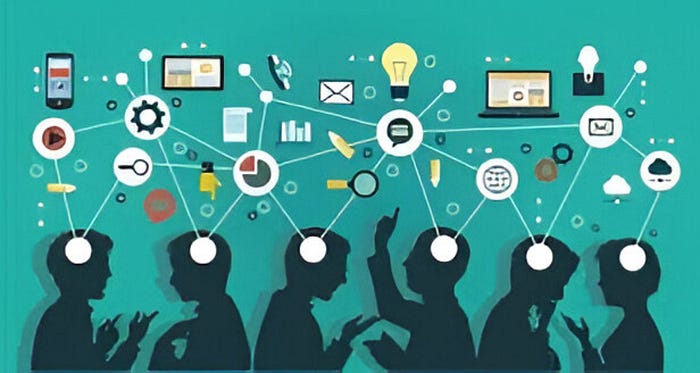
Technology has a profound impact on society and culture, changing how people interact, communicate, and share information. Social media, messaging apps, and online platforms allow individuals to connect instantly, regardless of location, shaping modern social relationships.
Culturally, technology influences entertainment, learning, and creativity. Streaming services, online courses, and digital content platforms provide access to diverse ideas, art, and knowledge, promoting global awareness and cultural exchange.
Technology also affects work culture and lifestyle. Remote work, flexible schedules, and digital collaboration tools have transformed professional environments and daily routines.
However, technology can bring challenges, such as reduced face-to-face interaction and concerns about privacy and misinformation. Despite these issues, it continues to shape social norms, cultural practices, and the way communities engage with the world.
Technology and Human Interaction
Technology has transformed human interaction by enabling people to communicate instantly across distances. Tools like messaging apps, video calls, and social media platforms allow individuals to stay connected with friends, family, and colleagues worldwide.
Digital communication also supports professional collaboration. Remote work, online meetings, and cloud-based teamwork make it easier for teams to coordinate, share ideas, and complete tasks efficiently.
While technology enhances connectivity, it can also reduce face-to-face interaction, affecting personal relationships and social skills. Balancing digital communication with in-person interaction is important for maintaining strong social connections.
Overall, technology reshapes how humans interact, making communication faster, more flexible, and global, while also introducing new challenges in maintaining meaningful personal connections.
Influence of Social Media and Digital Platforms
Social media and digital platforms have transformed how people communicate, share information, and consume content. Platforms like Facebook, Instagram, Twitter, and LinkedIn connect individuals, communities, and businesses worldwide in real time.
These platforms influence opinions, trends, and behaviors by providing instant access to news, updates, and user-generated content. They also enable businesses to engage directly with customers, build brand awareness, and offer personalized marketing.
Digital platforms support education, entertainment, and professional networking, making knowledge and opportunities more accessible. They also allow creators and entrepreneurs to reach global audiences and generate income.
However, social media can bring challenges, including misinformation, privacy concerns, and reduced face-to-face interaction. Despite these issues, digital platforms remain powerful tools that shape culture, communication, and business in the modern digital age.
Challenges of Technology in the Digital Age
While technology brings many benefits, it also presents challenges in the digital age. Rapid innovation can lead to job displacement, as automation and AI replace routine and manual tasks in various industries.
The digital divide is another challenge. Not everyone has equal access to technology, internet connectivity, or digital skills, creating disparities in opportunities between regions, communities, and socioeconomic groups.
Cybersecurity and privacy are growing concerns. As more personal and business data is stored online, the risk of hacking, data breaches, and identity theft increases.
Additionally, technology can contribute to information overload, reduced face-to-face interaction, and social isolation. Ethical and legal questions also arise around AI, surveillance, and digital rights.
Addressing these challenges requires inclusive policies, digital literacy programs, and responsible technology use to ensure that technological advancement benefits society as a whole.
Cybersecurity and Data Privacy
Cybersecurity and data privacy are critical concerns in the digital age. As businesses, governments, and individuals rely on technology, large amounts of personal and sensitive information are stored and shared online.
Cybersecurity involves protecting systems, networks, and data from unauthorized access, cyberattacks, and digital threats. Effective security measures help prevent data breaches, financial losses, and reputational damage.
Data privacy focuses on controlling how personal information is collected, used, and shared. Organizations must follow regulations and best practices to ensure that user data is handled responsibly and securely.
Strong cybersecurity and data privacy measures are essential for building trust in digital systems, safeguarding sensitive information, and supporting safe and reliable technology use in everyday life.
Digital Divide and Accessibility Issues
The digital divide refers to the gap between individuals, communities, or regions with access to modern technology and those without. This divide affects internet connectivity, digital devices, and the skills needed to use technology effectively.
Accessibility issues also prevent certain groups, such as people with disabilities or those in rural areas, from fully benefiting from digital tools and online services — a lack of access limits opportunities in education, employment, healthcare, and communication.
Bridging the digital divide requires investment in infrastructure, affordable technology, and digital literacy programs. Ensuring accessibility helps create equal opportunities for all individuals to participate in the digital economy.
Overall, addressing the digital divide and accessibility challenges is essential for inclusive growth, social equity, and meaningful participation in today's technology-driven world.
Ethical and Social Issues
Technology's quick rise raises serious ethical and social questions. As personal and sensitive data is extensively gathered and shared on the internet, concerns about privacy, surveillance, and data abuse have grown increasingly important.
Furthermore, raise ethical concerns about automation and artificial intelligence. Machine decisions impact fairness, accountability, and employment; biases in algorithms might cause disparate treatment.
Social issues consist of too much reliance on technology, less face-to-face contact, and the propagation of false information. These difficulties affect community participation, social skills, and mental health.
Dealing with ethical and social issues calls for wise technology design, unambiguous rules, and consumer awareness. Technology may only benefit society securely and equitably if fairness, openness, and responsibility are guaranteed.
Technology in the Future
Technology's future suggests quick innovation and more thorough inclusion into everyday life, work, and the world economy. Artificial intelligence, blockchain, quantum computing, and biotechnology are some of the emerging fields that are likely to change the way we work and create new jobs.
Smart systems and automation will keep changing jobs, which will force people to learn new things and adjust. People will probably work from home more often, use digital tools to work with others, and have virtual experiences.
Green and sustainable technologies will become more important because they solve environmental problems and create eco-friendly jobs and solutions.
Future technology presents difficulties as well, including ethical issues, cybersecurity threats, and the requirement for inclusive access. Careful planning helps communities use technology advances for creativity, economic expansion, and a better quality of life.
Emerging Digital Technology Trends
New developments in digital technology are influencing the way people, companies, and even countries function. Thanks to artificial intelligence (AI) and machine learning, which are becoming more and more common in different sectors, we can make better decisions, automate tasks, and predict things that might happen in the future.
For safe transactions, digital identification control, and distributed finance, blockchain technology is becoming more and more vital. It builds trust in online systems and makes them open.
More and more common, Internet of Things (IoT) devices link houses, businesses, and cities to gather information and boost productivity. Prime examples are smart appliances, wearables, and industrial sensors.
Cloud computing and large data analytics let businesses rapidly and affordably store, manage, and analyze enormous volumes of data, therefore fueling their development.
Additional developments that improve communication, entertainment, and real-time connection are 5G networks, virtual reality (VR), and augmented reality (AR).
In general, these new trends are pushing invention, changing businesses, and opening up new opportunities in the digital age.
Technology and Sustainable Development
Technology plays a key role in promoting sustainable development by enabling efficient use of resources and reducing environmental impact. Innovations in renewable energy, smart grids, and energy-efficient systems help meet growing demands while protecting the planet.
Digital tools and data analytics support sustainable practices in agriculture, manufacturing, and transportation. For example, precision farming reduces waste, while smart logistics optimizes fuel use and delivery routes.
Technology also facilitates monitoring and reporting of environmental and social impacts. IoT devices and sensors provide real-time data on pollution, energy consumption, and resource management, helping governments and organizations make informed decisions.
Overall, technology supports sustainable development by promoting eco-friendly solutions, improving efficiency, and creating jobs that contribute to economic growth while protecting natural resources for future generations.

Understanding Technology for a Digital Future
Understanding technology for a digital future means recognizing how digital tools, systems, and innovations shape everyday life, work, and society. It involves not only knowing how technology works but also how it can be applied to solve problems and create opportunities.
A digital future requires individuals and businesses to adapt to rapidly changing technologies, such as artificial intelligence, IoT, cloud computing, and automation. Those who develop digital skills and embrace innovation are better prepared for evolving job markets and business environments.
Understanding technology also includes awareness of ethical, social, and security implications. Responsible use ensures that digital advancements benefit society while minimizing risks like data breaches, misinformation, and inequality.
Overall, a clear understanding of technology equips people and organizations to navigate the digital age, take advantage of new opportunities, and contribute to a more connected, efficient, and sustainable future.
conclusion
Technology in the digital age has transformed how people communicate, work, learn, and live. From information and communication systems to artificial intelligence, IoT, and cloud computing,
Modern technologies shape daily life and drive economic and social progress. Digitalization, connectivity, and data-driven systems improve efficiency, productivity, and decision-making across industries, while also creating new opportunities for innovation and employment.
At the same time, challenges such as cybersecurity, the digital divide, and ethical concerns require careful management. Understanding technology and its impact is essential for adapting to the evolving digital landscape, leveraging opportunities, and preparing for a future that is increasingly connected, automated, and innovation-driven.
FAQs
- What is technology in the digital age? Technology in the digital age includes digital tools, systems, and innovations like AI, IoT, and cloud computing that improve communication, work, and daily life.
- How does technology impact daily life? It enhances communication, education, healthcare, business, and entertainment, making tasks faster, more efficient, and accessible globally.
- What are the major types of modern technology? Key types include Information and Communication Technology (ICT), artificial intelligence, Internet of Things (IoT), cloud computing, and big data analytics.
- What challenges does digital technology bring? Challenges include cybersecurity risks, privacy concerns, the digital divide, ethical issues, and adapting to rapid technological change.
- Why is understanding technology important for the future? Understanding technology helps individuals and businesses adapt, innovate, make informed decisions, and thrive in a connected, digital-driven world.