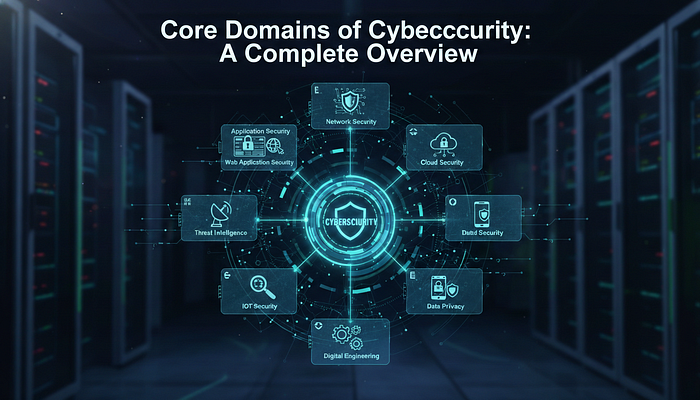

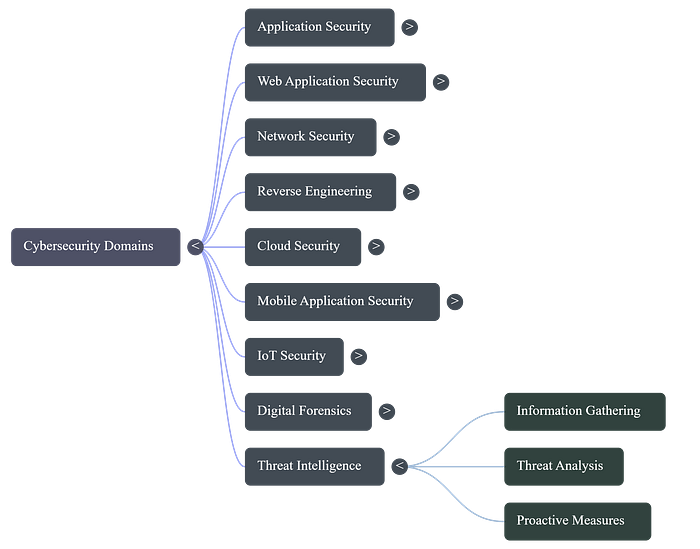
In this post, we'll explore the key areas of cybersecurity, what they focus on, and why each domain is important in today's digital world. Whether you're a beginner or looking to choose a specialization, this guide will help you understand the landscape of cybersecurity.
1. Application Security
Application security focuses on ensuring the security of applications from the development stage onward. This area includes identifying and fixing software bugs and other security vulnerabilities. Security tests and secure coding standards are important components of this field.

2. Web Application Security
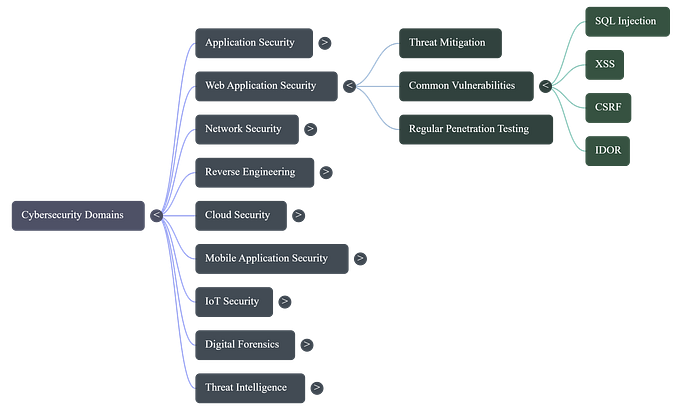
Web application security focuses on detecting, preventing, and mitigating threats to web-based applications. In this field, vulnerabilities such as SQL Injection, XSS, CSRF, and IDOR are among the most common. Web application security is essential for protecting user data, maintaining application performance, and preserving the reputation of enterprises.
Regular penetration tests (pentests) are conducted to identify and address security vulnerabilities in web applications.
3. Network Security
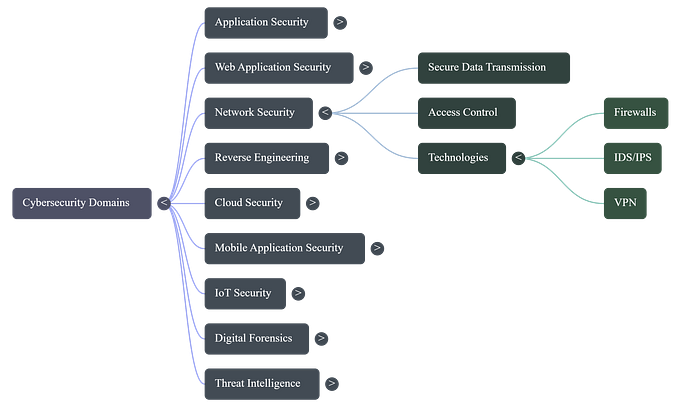
Network security involves protecting network resources to prevent, detect, and respond to malicious threats and attacks. Technologies such as firewalls, intrusion detection systems (IDS), intrusion prevention systems (IPS), and virtual private networks (VPN) are used in this field.
Network security is crucial for ensuring the secure transmission of data and preventing unauthorized access.
4. Reverse Engineering
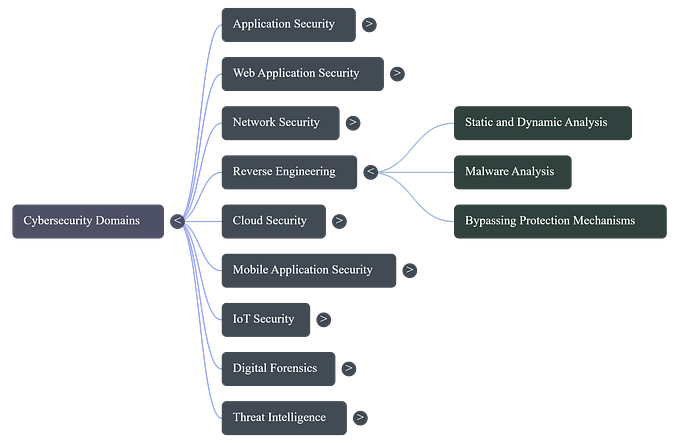
Reverse engineering involves analyzing software, devices, or systems to understand how they work, both statically and dynamically. This field can be used to find security vulnerabilities, analyze malware, and bypass licensing or other protection mechanisms.
5. Cloud Security
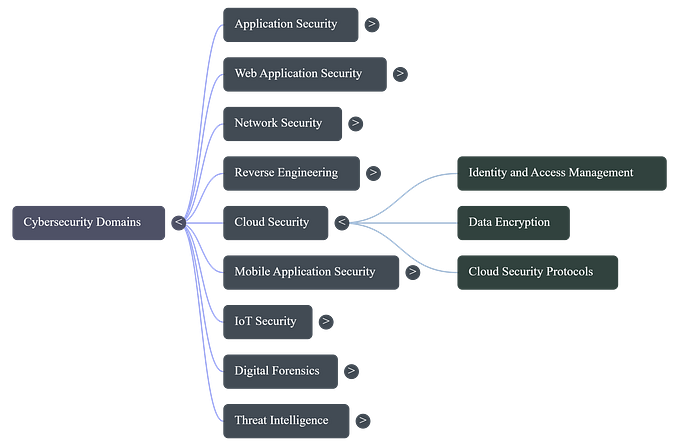
Cloud security ensures the protection of data, applications, and infrastructure in cloud computing services. This includes identity and access management (IAM), data encryption, firewalls, and other cloud-based security protocols. Cloud security ensures that data is stored, processed, and transmitted securely in the cloud.
6.Mobile Application Security
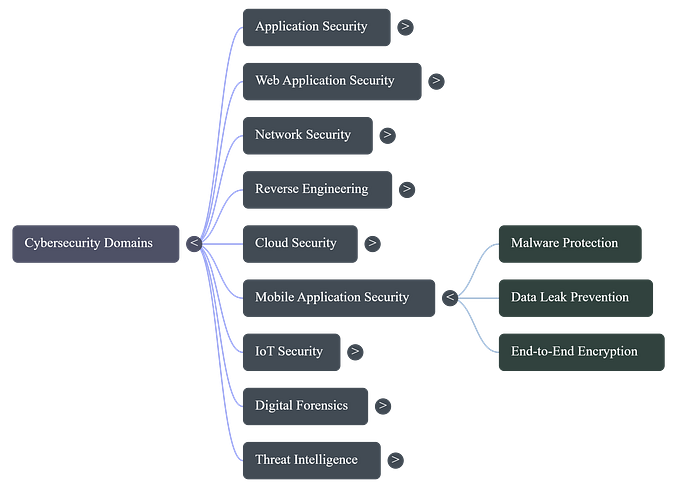
Mobile application security encompasses security measures specific to mobile devices and applications. This includes protection against malware, preventing data leaks, and implementing end-to-end encryption techniques.
7. IoT Security
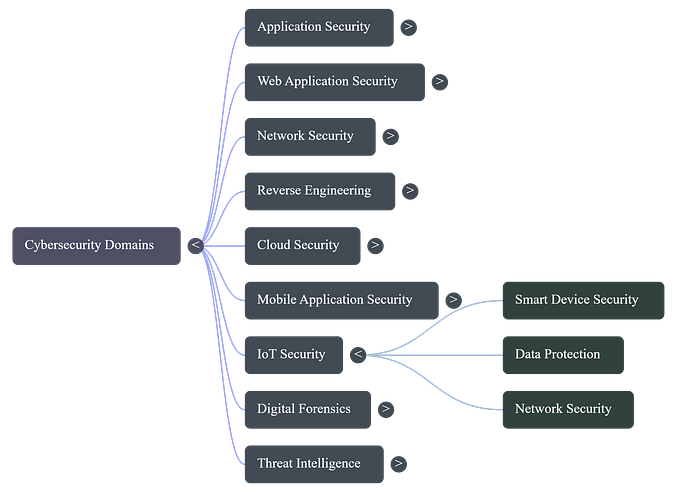
IoT (Internet of Things) security involves ensuring the security of smart devices, sensors, and other IoT devices. This area covers device security, data protection, and network security. IoT security is critically important for protecting the expanding IoT ecosystem from threats.
8. Digital Forensics
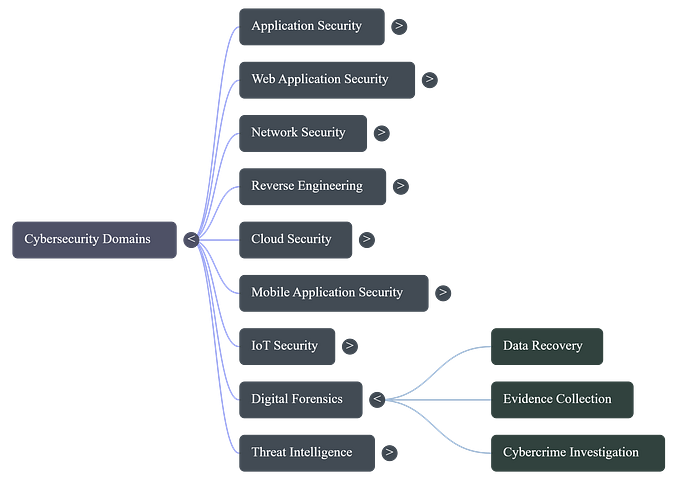
Digital forensics includes technical and legal procedures for investigating and analyzing cybercrimes. This field focuses on practices such as data recovery, electronic evidence collection, and investigating cybercrimes. Digital forensics plays a vital role in criminal investigations and legal processes.
9. Threat Intelligence
Threat intelligence involves gathering and analyzing information about cyber threats. This information is used to prevent, detect, and respond to threats. Threat intelligence provides security teams with the ability to anticipate attacks and take proactive measures.
Thank you for taking the time to read this post. I hope it gave you a clear understanding of the core domains of cybersecurity.
If you found this helpful, feel free to share it with others and stay tuned for more posts. Your support means a lot!