In today's digital world, information has become one of the most valuable assets for individuals, organizations, and governments. With the rapid growth of the internet, cloud computing, and digital services, large amounts of data are being generated and stored every day. However, this digital transformation also brings serious security risks such as cyberattacks, data breaches, and identity theft. Information Security plays a critical role in protecting sensitive data from unauthorized access, misuse, and damage.
Information security, often referred to as InfoSec, involves a set of practices and technologies designed to safeguard information systems and data. Its main goal is to ensure that information remains secure, reliable, and accessible only to authorized users.
What is Information Security?
Information Security is the practice of protecting information from unauthorized access, disclosure, alteration, or destruction. It applies to all forms of data, including digital files, databases, emails, and even printed documents.
Organizations use various security measures such as encryption, authentication, firewalls, and access control to protect their information systems. These measures help prevent cybercriminals from exploiting vulnerabilities and stealing sensitive data.
Core Principles of Information Security (CIA Triad)
Information security is based on three fundamental principles known as the CIA Triad:

1. Confidentiality
Confidentiality ensures that sensitive information is accessible only to authorized individuals. Techniques such as encryption, passwords, and access control are used to protect confidential data.
2. Integrity
Integrity ensures that data remains accurate and unchanged unless modified by authorized users. Mechanisms like hashing, checksums, and digital signatures help maintain data integrity.
3. Availability
Availability ensures that information and systems are accessible when needed. Organizations use backup systems, disaster recovery plans, and redundancy to maintain availability.
Common Threats to Information Security
Information systems face several security threats in today's interconnected world. Some of the most common threats include:
Malware: Malicious software such as viruses, worms, and ransomware that damage systems or steal data.
Phishing: Cybercriminals trick users into revealing sensitive information like passwords or credit card details through fake emails or websites.
Data Breaches: Unauthorized access to confidential data stored in databases or servers.
Insider Threats: Security risks caused by employees or authorized users who misuse their access privileges.
Security Measures and Technologies
To protect information systems from these threats, organizations implement various security technologies and practices.
Encryption: Converts data into an unreadable format so that only authorized users can access it.
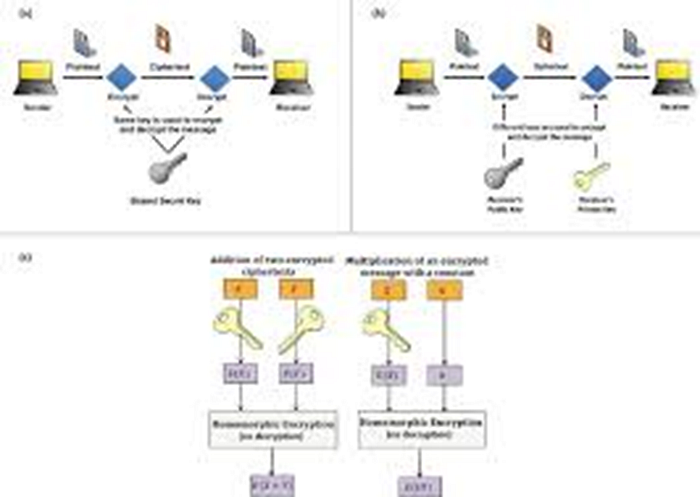
Encryption converts readable data (plaintext) into unreadable form (ciphertext) to protect it from unauthorized access
Firewalls: Monitor and control incoming and outgoing network traffic to block unauthorized access.
Authentication Systems: Verify the identity of users using passwords, biometrics, or multi-factor authentication.
Security Monitoring: Tools such as intrusion detection systems help detect suspicious activities in networks.
Importance of Information Security
Information security is essential for maintaining trust, protecting privacy, and ensuring business continuity. A single cyberattack can cause financial losses, damage an organization's reputation, and expose sensitive personal data.
Governments and organizations invest heavily in cybersecurity frameworks, policies, and training programs to protect digital infrastructure. With the increasing reliance on digital technologies, information security has become a top priority worldwide.
Future of Information Security
The future of information security will be shaped by emerging technologies such as artificial intelligence, blockchain, and quantum computing. These technologies can help improve threat detection, enhance encryption techniques, and strengthen data protection mechanisms.
However, cyber threats are also evolving rapidly. Therefore, organizations must continuously update their security strategies and invest in skilled cybersecurity professionals to stay ahead of attackers.
Conclusion
Information security plays a crucial role in safeguarding digital assets in today's technology-driven world. By implementing strong security measures and following best practices, individuals and organizations can protect their information from cyber threats. As technology continues to evolve, the importance of information security will only grow, making it a critical component of modern digital infrastructure.
References
- National Institute of Standards and Technology (NIST) — Cybersecurity Framework https://www.nist.gov/cyberframework
- IBM Security — What is Information Security? https://www.ibm.com/topics/information-security
- Cisco Security Resources https://www.cisco.com/c/en/us/products/security/what-is-cybersecurity.html
- Microsoft Security Blog https://www.microsoft.com/security/blog
- Kaspersky Cybersecurity Resource Center https://www.kaspersky.com/resource-center