
📌 Introduction
Software updates are supposed to make our devices better — faster, safer, and smarter. But for millions of users, every new update feels like a gamble.
Will my phone slow down? Will my favorite app crash? Will something stop working completely?
In today's tech-driven world, forced updates, hidden bugs, and compatibility issues have turned simple upgrades into daily frustrations.
Let's explore why software updates often break everything — and what users can do about it.
🧩 My Real life Experience: When One Update Changed Everything
A few weeks ago, I updated my phone like I always do — without thinking twice.
The update promised "performance improvements" and "bug fixes." Sounds good, right?
But within hours, things started going wrong.
My phone began heating up. Apps started crashing randomly. Battery life dropped from a full day to barely half.
Even basic apps like WhatsApp and Google Maps froze sometimes.
At first, I thought it was just my device. Then I checked online.
Reddit, Twitter, and app reviews were filled with similar complaints:
"After this update, my phone is unusable." "Worst update ever. Everything is slow now." "Battery drain is insane." "My banking app stopped working."
It wasn't just me. Thousands of users were facing the same issues.
Some people said their phones restarted automatically. Others lost important data. Many couldn't even downgrade to the previous version.
For days, I avoided updating anything else. I kept refreshing forums, waiting for a fix.
Two weeks later, a patch finally arrived. Things improved — but never fully went back to normal.
That update changed how I see "new versions." Now, I always wait. I always check reviews. And I always backup first.
Because one careless update is enough to ruin weeks of productivity.
🚨 1. Forced Updates: When You Have No Choice
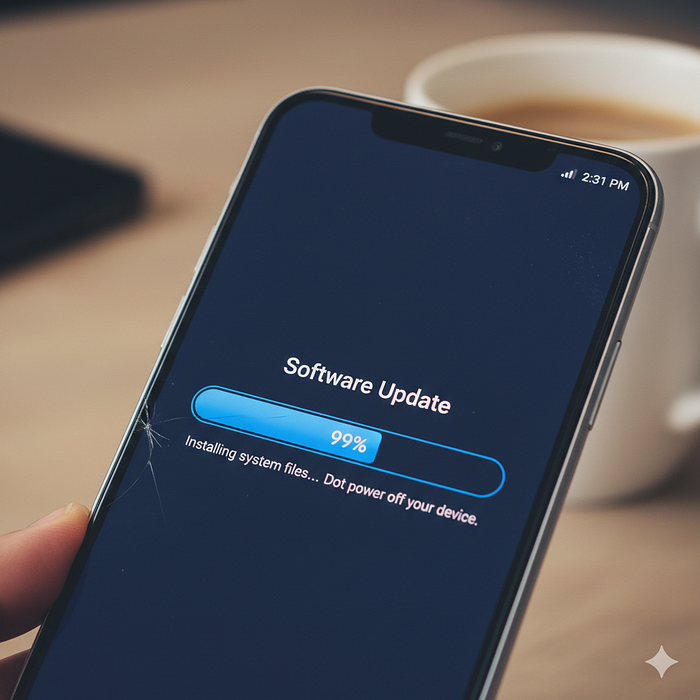
Many companies no longer ask users before installing updates. They simply push them.
Common Problems:
- Automatic updates without consent
- Updates installing overnight
- Sudden UI changes
- Features removed without notice
For users, this feels like losing control over their own device.
"I updated once and suddenly nothing worked the same." — A story we all know.
Why Companies Do This
- Security patches
- New feature rollout
- Performance optimization
- Policy compliance
While the intention is good, the execution often ignores real user experience.
🐞 2. Bugs That Slip Into Production
No software is perfect. But many updates today feel unfinished.
Examples of Update Bugs:
- Apps freezing
- Touch not responding
- Bluetooth issues
- Camera malfunction
- Random reboots
These problems appear because:
- Insufficient testing
- Rushed deadlines
- Limited device testing
- Pressure from competition
Modern software is released faster than ever — sometimes too fast.
🔗 3. Compatibility Issues: Old Hardware vs New Software
Not all devices are created equal. But updates often assume they are.
The Reality
When new software runs on old hardware:
- RAM gets overloaded
- CPU struggles
- Battery drains faster
- Storage fills quickly
This results in:
A phone that once felt smooth now feels outdated overnight.
Some users believe companies do this intentionally to encourage upgrades — a practice often called planned obsolescence.

📱 4. App Crashes After System Updates
You update your system. Suddenly, half your apps stop working.
Why?
The Technical Reason
System updates change:
- APIs
- Security permissions
- Background processes
- Memory management
If app developers don't update their apps quickly, crashes happen.
Result for Users
- Banking apps fail
- Social media crashes
- Games lag
- Work apps stop responding
Users get stuck in the middle — waiting for fixes from both sides.
⚠️ 5. The Hidden Cost: Productivity and Mental Stress
Software issues aren't just technical problems. They affect daily life.
Impact
- Missed deadlines
- Lost data
- Interrupted work
- Wasted time
- Frustration
For professionals, students, and freelancers, a broken update can mean real financial loss.

🛠️ 6. What Users Can Do to Protect Themselves
While we can't control companies, we can reduce risks.
Best Practices
✅ Delay Updates
Wait a few days and check reviews before installing.
✅ Backup Regularly
Always backup your data before major updates.
✅ Disable Auto-Update (If Possible)
Maintain control over your system.
✅ Follow Tech Communities
Reddit, Twitter, and forums often reveal bugs early.
✅ Keep Storage Free
Low storage makes updates more unstable.
🏢 7. What Tech Companies Should Improve
To rebuild trust, companies must:
- Improve beta testing
- Expand device testing
- Offer rollback options
- Respect user choice
- Communicate changes clearly
User experience should matter more than release deadlines.
🚀 Conclusion: Updates Should Empower, Not Punish
Software updates are necessary. Security matters. Innovation matters.
But stability matters more.
A good update should: ✔ Improve performance ✔ Fix problems ✔ Respect users ✔ Protect compatibility
Not create new ones.
Until then, users will continue to fear the simple words:
"Update Available"
If you enjoyed this blog, please share it and follow me for more posts on New Trending Technologies in 2026 ! Feel free to leave your comments and questions below.
Happy Coding 👨💻😎