

The tiny crustaceans hiding underneath rocks, mulch, and flower pots
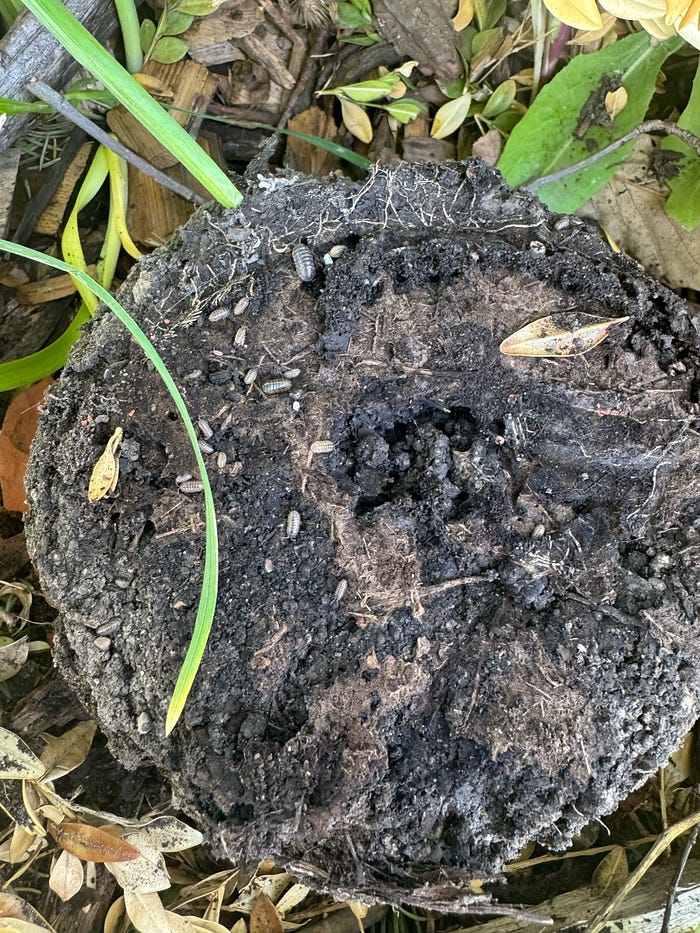
Childhood and roly-polies seem to go hand in hand. Almost everyone I know remembers flipping over rocks or pieces of wood outside and finding them underneath. And naturally, the first instinct as a child was immediately poking them to watch them curl into a tiny ball.
Whether we should have been doing that constantly is probably another question.
So what are roly-polies actually?
Despite looking like insects, they are actually terrestrial crustaceans, more closely related to crabs and shrimp than the insects living around them. Which honestly makes them even stranger when you really think about it.
Most of the time, roly-polies spend their lives hidden in damp areas beneath leaf litter, mulch, stones, logs, or garden debris where moisture stays consistent. And unlike many garden insects people immediately panic over, these are usually beneficial to have around.
Roly-polies are decomposers. They feed primarily on decaying organic matter like fallen leaves, rotting wood, fungi, and other plant material already breaking down in the soil. In the process, they help recycle nutrients back into the garden ecosystem.
If you have dense clay soil like I do, you also start noticing they tend to gather in areas rich in organic matter and moisture. While they are not major soil aerators like earthworms, their constant movement through surface debris still contributes to the slow breakdown and improvement of soil structure over time.
They're one of those small creatures most people stop noticing as adults, but once you start gardening, you realize they were quietly helping the entire time.