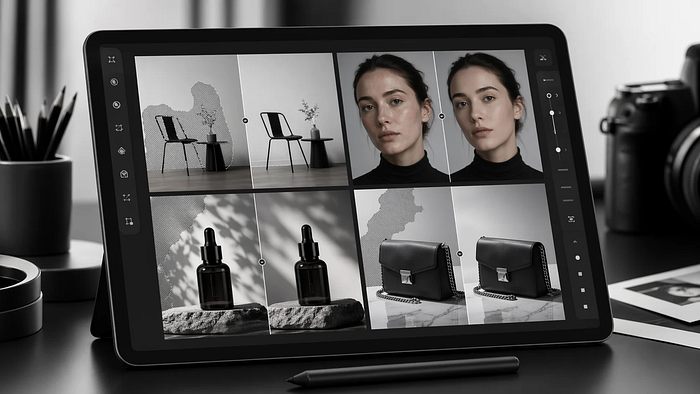
Creating high-quality AI-generated images has become easier than ever thanks to modern AI tools. However, many users still struggle to get consistent and accurate results because their prompts are too vague or incomplete. A well-structured GPT Image Prompt can dramatically improve image quality, style consistency, and creative control.
Whether you are a designer, marketer, content creator, or beginner experimenting with AI art, understanding how to write effective GPT Image prompts is essential. By using a simple formula, you can create detailed prompts that help AI tools generate images closer to your vision every time.
In this guide, you'll learn a practical GPT Image Prompt formula, discover useful GPT Image Prompt ideas, and understand how to improve your prompts for more professional and consistent results.
Why GPT Image Prompts Matter
AI image generation tools rely entirely on text instructions to create visuals. The AI interprets your prompt and converts it into an image based on patterns learned from large datasets. If the prompt lacks detail, the generated image may appear random, inaccurate, or inconsistent.
Strong GPT Image prompts help:
- Improve image accuracy
- Maintain visual consistency
- Control artistic style
- Reduce unwanted elements
- Save editing time
- Generate more professional results
The better your instructions, the better the AI can understand your creative vision.
The Simple GPT Image Prompt Formula
One of the easiest ways to improve results is by following a structured prompt formula.
The Basic Formula:
Subject + Environment + Style + Lighting + Camera/View + Details
This structure helps organize your ideas clearly while giving the AI enough information to generate better visuals.
Let's break each part down.
1. Subject
The subject is the main focus of the image. Be specific about what you want to create.
Weak Prompt:
"A dog"
Strong Prompt:
"A golden retriever puppy sitting on a wooden dock"
The more detailed your subject description, the more accurate the image becomes.
2. Environment
Describe where the subject is located. The setting adds context and mood to the image.
Example:
- On a tropical beach
- Inside a futuristic city
- In a snowy forest
- At sunset in the mountains
Prompt Example:
"A golden retriever puppy sitting on a wooden dock beside a calm lake"
The environment helps create atmosphere and visual storytelling.
3. Style
Style determines the artistic appearance of the image. This is one of the most important parts of GPT Image prompts.
Popular styles include:
- Photorealistic
- Cinematic
- Anime
- Watercolor
- Oil painting
- 3D render
- Cartoon
- Cyberpunk
- Minimalist
Example:
"Photorealistic cinematic style"
Style instructions strongly influence the final visual quality.
4. Lighting
Lighting dramatically affects mood, realism, and composition.
Common lighting descriptions:
- Soft natural light
- Golden hour lighting
- Dramatic shadows
- Neon lighting
- Studio lighting
- Volumetric lighting
Example:
"Golden hour lighting with soft reflections on the water"
Good lighting descriptions create more visually appealing images.
5. Camera Angle or Perspective
This helps control composition and framing.
Examples:
- Close-up portrait
- Wide-angle shot
- Aerial view
- Side profile
- Front-facing
- Low-angle shot
Example:
"Wide-angle cinematic shot"
Adding camera directions often improves realism and composition.
6. Additional Details
This final section adds small enhancements that make the image more polished.
Examples:
- Highly detailed
- Ultra realistic
- 8K quality
- Sharp focus
- Realistic textures
- Depth of field
Complete Prompt Example:
"A golden retriever puppy sitting on a wooden dock beside a calm lake, photorealistic cinematic style, golden hour lighting, wide-angle shot, ultra detailed, realistic fur texture, soft reflections, 8K quality"
This formula produces far better results than short generic prompts.
GPT Image Prompt Ideas for Different Niches
Using creative GPT Image Prompt ideas can help you generate content for various industries and projects.
Business and Marketing
Businesses use AI-generated visuals for branding, social media, and advertisements.
Prompt Idea:
"A modern startup office with professionals working on laptops, bright natural lighting, minimalist interior design, photorealistic style"
Social Media Content
Influencers and creators often use AI visuals for engaging posts.
Prompt Idea:
"A stylish influencer taking a selfie in a luxury café, cinematic lighting, trendy fashion, realistic photography style"
Fantasy Art
Fantasy remains one of the most popular categories for GPT Image prompts.
Prompt Idea:
"A powerful female warrior standing in a magical forest with glowing blue energy, cinematic fantasy art, ultra detailed"
Product Mockups
AI image tools are increasingly used for product presentations.
Prompt Idea:
"A premium skincare bottle on a marble surface with soft studio lighting, luxury product photography style"
Travel and Nature
Travel creators use AI-generated landscapes and scenic imagery.
Prompt Idea:
"A breathtaking mountain landscape above the clouds during sunrise, ultra realistic, aerial photography style"
Tips for Writing Better GPT Image Prompts
Be Specific
Specific prompts produce better outputs than vague instructions.
Weak:
"A city"
Better:
"A futuristic cyberpunk city at night with neon signs and flying cars"
Detailed prompts reduce randomness.
Avoid Overloading the Prompt
Too many conflicting instructions can confuse the AI. Focus on one clear concept at a time.
Use Natural Language
Most AI image systems respond well to conversational descriptions rather than keyword stuffing.
Experiment With Styles
Testing different artistic styles can produce surprisingly creative results.
Try combinations such as:
- Cinematic anime
- Realistic watercolor
- Futuristic oil painting
- Vintage photography
Use Consistent Prompt Structures
If you want a series of similar images, keep the same prompt formula while changing only small details.
This is especially useful for:
- Brand consistency
- Character design
- Product collections
- Story illustrations
Common Mistakes in GPT Image Prompts
Being Too Vague
Simple prompts often generate generic results.
Ignoring Lighting
Lighting strongly affects realism and mood.
Forgetting Composition
Camera angles and framing improve image quality significantly.
Using Contradictory Styles
Combining too many artistic styles may create confusing outputs.
Why Consistency Matters
Consistent GPT Image prompts are important for creators and businesses that need cohesive visuals across projects.
Benefits include:
- Stronger branding
- Faster content creation
- More professional designs
- Easier editing workflows
- Improved audience recognition
A structured formula allows creators to repeat successful styles efficiently.
The Future of AI Image Prompting
AI image generation continues evolving rapidly. New tools now understand more natural language, emotional tone, and visual composition than earlier systems.
Future GPT Image prompts may include:
- Voice-based prompting
- Interactive editing
- Real-time scene adjustments
- AI-assisted prompt optimization
- Personalized creative styles
As AI improves, prompt writing will become an increasingly valuable creative skill.
Final Thoughts
Learning how to structure a GPT Image Prompt can dramatically improve your AI-generated visuals. Instead of relying on random outputs, using a simple formula helps create consistent, detailed, and professional-quality images.
By combining:
- Clear subjects
- Strong environments
- Defined artistic styles
- Effective lighting
- Camera perspectives
- Detailed enhancements
you can gain much more control over the final result.
Whether you are creating marketing visuals, fantasy artwork, social media content, or product mockups, strong GPT Image prompts make the creative process faster and more reliable.
The key to success is experimentation and consistency. The more you practice writing prompts, the better your AI-generated images will become. With the right approach, GPT Image Prompt ideas can unlock endless creative possibilities for artists, businesses, and creators in every industry.