
What Happened:
While testing a financial services platform, I found that the email preference system was protected by nothing more than a UUID token passed in the URL. No session. No authentication. Just a token.
Anyone who gets hold of a valid UUID can open that URL in a private browser and freely view or modify another user's email preferences,including unsubscribing them from all communications.
The Core Issue:
The platform assumes that knowing the UUID = being the owner. That's the mistake.
UUIDs are designed for unique identification, not authorization. They never expire, they don't invalidate after use, and they can leak through email forwarding, browser history, proxy logs, or even search engine indexing if the URLs aren't properly blocked.
Proof of Concept:
Open an incognito browser with no active session and visit: https://[REDACTED]/email/preferences?token=a3f1c820-xxxx-xxxx-xxxx-1d9f6a2e8c47
The preferences page loads fully and all actions work — no login required.
To trigger an unsubscribe: https://[REDACTED]/email/unsubscribe?token=a3f1c820-xxxx-xxxx-xxxx-1d9f6a2e8c47&type=email-marketing
Success message appears. Change is applied. Still no authentication.
Impact:
An attacker can silently unsubscribe a target from all emails — including security alerts and account notifications — without the user ever knowing. It's not account takeover, but suppressing security emails on a financial platform is a meaningful risk.
Remediation:
- Require an active authenticated session before allowing any preference changes. - Replace permanent UUIDs with short-lived, signed tokens (HMAC or JWT with expiry). - Block preference URLs from search engine indexing via `robots.txt` and `X-Robots-Tag: noindex`. - Invalidate tokens after first use. - Notify users via a separate channel when preferences are changed.
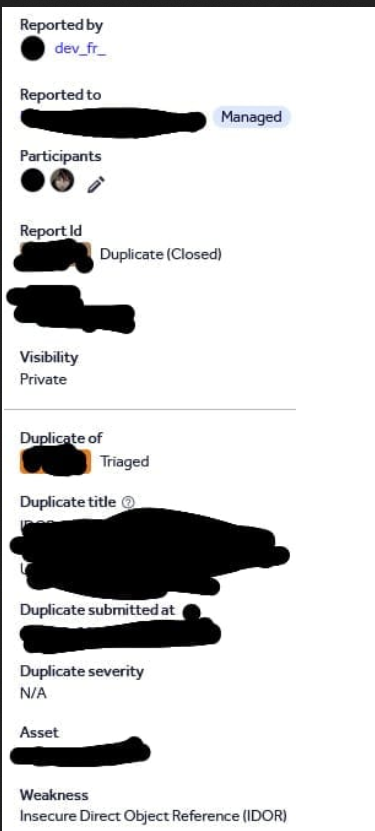
Reported: November 2025 — Closed as duplicate of an earlier triaged submission.