
As part of my journey into cybersecurity, I recently completed TryHackMe OSINT Level 1.
This write-up documents the concepts I learned, the labs I completed, and why OSINT is an essential part of modern cybersecurity. Screenshots from my labs are included to help other learners understand the workflow and approach.
This experience taught me the fundamentals of Open-Source Intelligence (OSINT) how publicly available information can be collected, analyzed, uncover hidden truths, and connected to build meaningful insights.
Rather than rushing through the exercises, I focused on understanding the concepts, practicing skills ethically, and reflecting on each step of the process.
The Story
When I first opened the OSINT Level 1 module, I expected it to be all about tools and technical tricks.
Instead, I quickly realized it was about thinking like an investigator: paying attention to details, verifying information, and connecting dots.
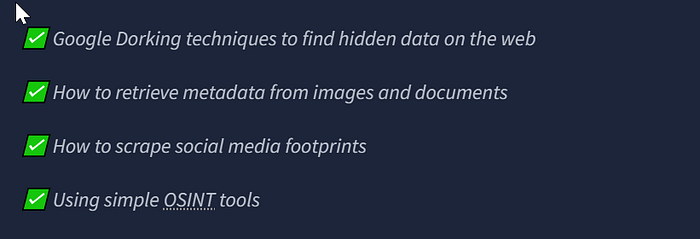
I practiced:
- Searching for information ethically and responsibly
- Analyzing digital footprints from public sources
- Documenting findings clearly and accurately
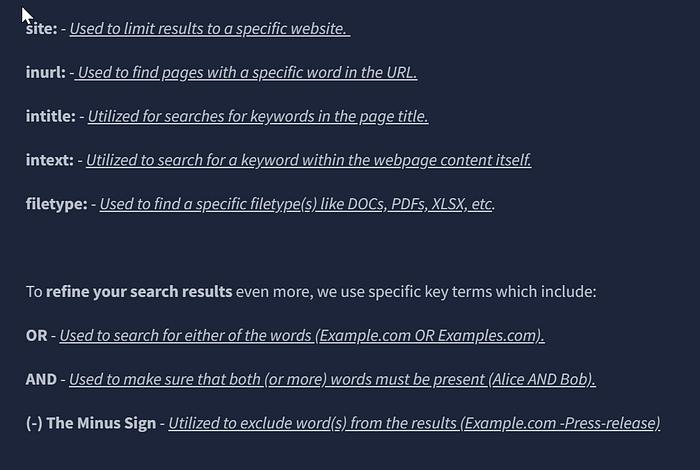
Every task reinforced a simple truth: small pieces of information matter, and even minor details can reveal patterns when analyzed carefully.
Key Concepts I Learned
• What qualifies as open-source information
• How to validate and correlate data
• The importance of context in analysis
• Ethical boundaries and responsible OSINT use
These are skills that don't just help with OSINT, they build critical thinking that applies across all areas of cybersecurity.
Task lab 2
Google Dorking Lab
- What is the name of the Chief Financial Officer of the CFPB as mentioned in the PDF?
2. What was the Total Fund Balance with Treasury in 2024?
3. What is the duration of the CFPB Supervisor Development Seminar?
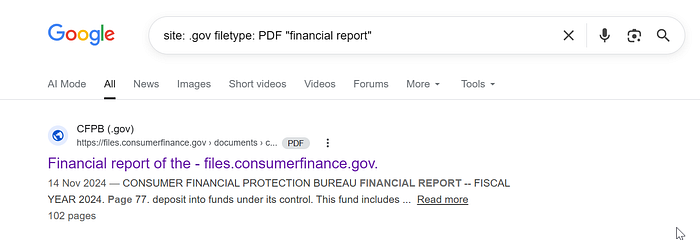
Task Lab 3
Introduction to OSINT
- When was Lip-Bu Tan named the new Chief Executive Officer (CEO) of Intel Corporation?
- Where did Lip-Bu Tan work before joining Intel Corporation?
- When was Lip-Bu Tan's board tenure?
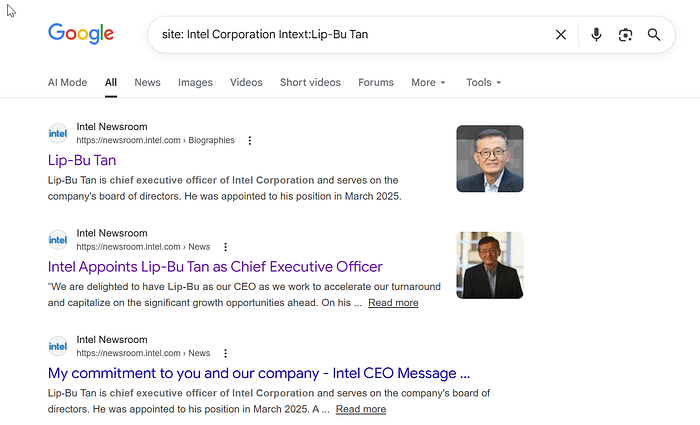
Task lab 4
Metadata Extraction
- Our investigators are looking for a tool to upload files to view metadata, which tool should they use?
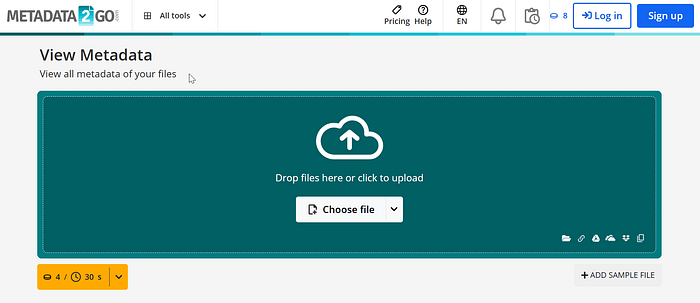
- Metadata2go is a command-line metadata extraction tool. No
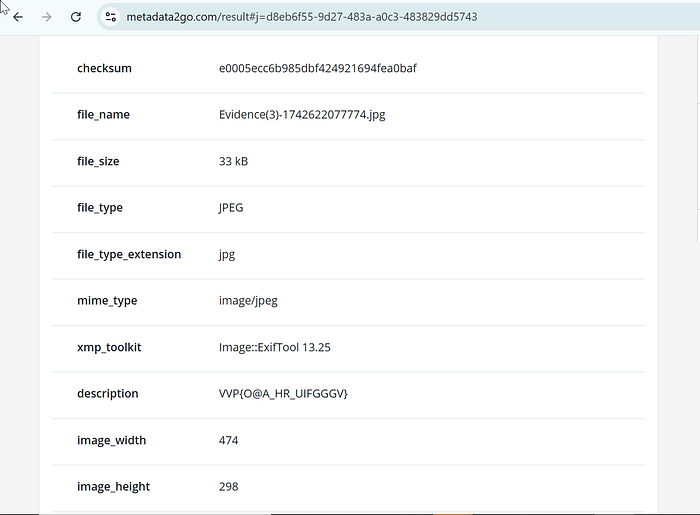
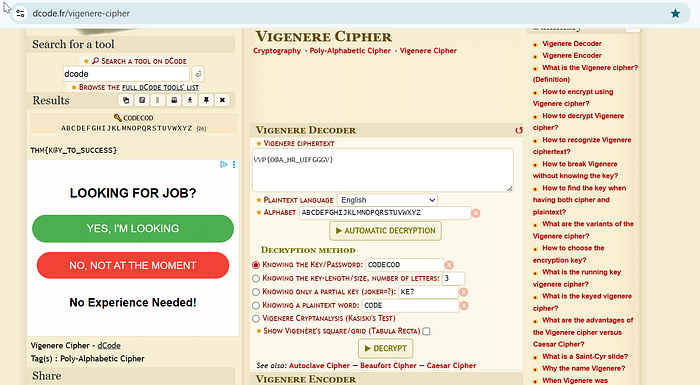
- For Evidence(3), we got intel that the file does include an encrypted code that needs a key to open. The key seems to be "CODECOD", what is the deciphered message?
Why OSINT Matters
OSINT is a key part of cybersecurity because it helps organizations:
• Anticipate threats before they happen
• Identify publicly exposed information
• Strengthen defenses against social engineering and phishing attacks
Understanding OSINT also gives insight into how attackers gather information, knowledge that is crucial for anyone aiming for security leadership.
Reflection
Completing OSINT Level 1 made me appreciate that cybersecurity isn't only about tools, it's about awareness, discipline, and ethical thinking.
This milestone strengthens my foundation as I continue learning ethical hacking and network security, building toward long-term goals like security leadership (CISO track).
What's Next / Closing:
I'm excited to continue building on this foundation by practicing more OSINT exercises, exploring network security fundamentals, and documenting each learning milestone along the way.
Thanks for reading! If you're also learning OSINT or cybersecurity, I'd love to hear about your experiences and insights, feel free to share them in the comments.