

🧠 The Hunt Begins
Bug hunting is often a mix of patience, frustration, and those rare moments where everything suddenly clicks.
This story is about one of those moments.
I was exploring a target on Bugcrowd, a fairly large web application with multiple subdomains. Like any hunter, I started mapping the surface area, checking endpoints, and digging into JavaScript files.
That's when I found something interesting.
🔍 The First Clue: Internal API Exposure
While analyzing the JS files, I stumbled upon an endpoint:
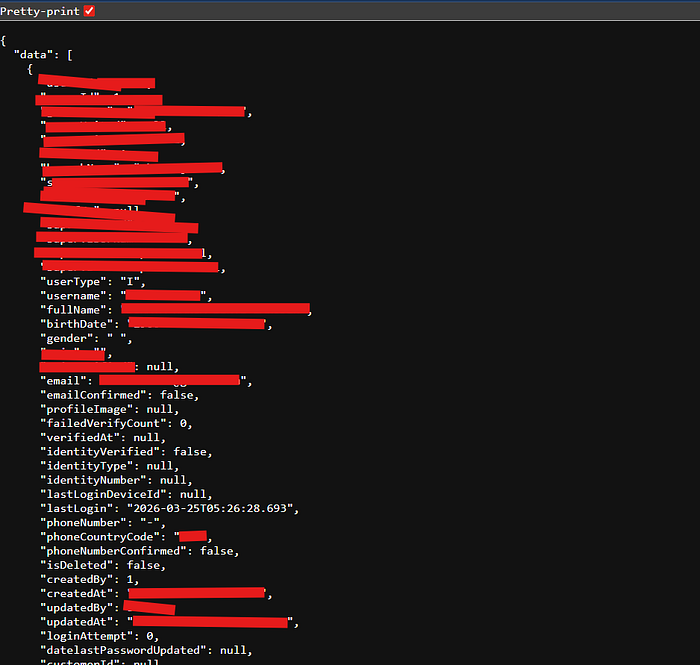
/api/internal/user/InternalUserAt first glance, this didn't look like something meant for public access.
But curiosity wins in bug hunting. 😝
When I interacted with it, it returned sensitive internal data — including:
- Admin emails
- Usernames
💥 That's already a red flag.
😤 The Frustration Phase
At this point, I had valid admin usernames and emails.
But no password.
And without credentials, it felt like hitting a wall.
I tried multiple angles:
- Parameter manipulation
- Direct authentication attempts
- Token guessing
Nothing worked.
That's when I stepped back and thought:
"What if I don't need the password at all?"
💡 The Breakthrough: Password Reset Abuse
Instead of attacking login directly, I shifted focus to the password reset functionality.
The endpoint looked like this:
/api/public/memberauth/password/forgot/initAttempt 1: HTTP Parameter Pollution
I tried a classic trick:
/api/public/memberauth/password/forgot/init?username=9299393388&email=victimemail@gmail.com,myemail@gmail.comThe idea was simple:
Maybe the system will send the reset link to both emails.
But… no luck. 😑

🧪 Attempt 2: Direct Email Injection
Then I tried something simpler.
I replaced the victim's email with my own email:
username = victim_admin_username
email = myemail@gmail.com
I sent the request…
And the response came back:
"status": "ok"🤔 That was… suspicious.
📩 The Moment Everything Changed
A few seconds later…
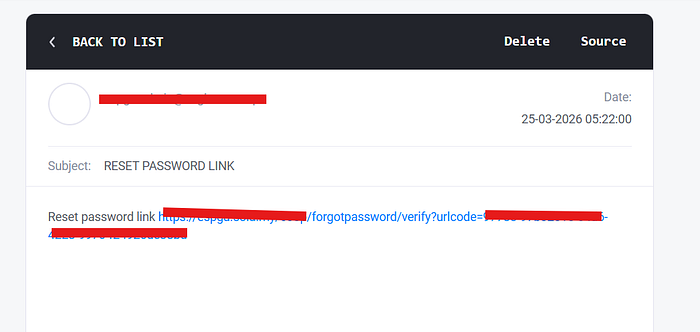
📥 I received a password reset email.
For the admin account.
🚪 From Reset to Access
I followed the reset link.
Set a new password.
Tried logging in…
And just like that —
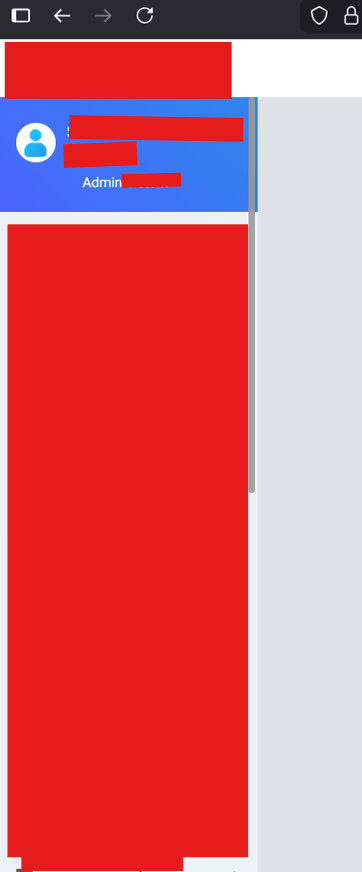
I was inside the admin account.
⚠️ Root Cause Analysis
This vulnerability was a combination of two critical issues:
1. IDOR (Information Disclosure)
- Internal API exposed admin emails and usernames
- No proper access control
2. Broken Password Reset Logic (ATO)
- Backend trusted user-controlled email parameter
- No verification that email belongs to username
- Allowed attacker to redirect reset link
💥 Impact
This wasn't just a bug.
This was a full Admin Account Takeover (ATO).
An attacker could:
- Access admin panel
- Modify system configurations
- View sensitive user data
- Potentially pivot deeper into infrastructure
🧠 Key Takeaways
- Never expose internal APIs without authentication
- Always validate ownership in password reset flows
- Don't trust client-supplied email parameters
- Small leaks (like emails) can lead to massive impact
🎯 Final Thoughts
This bug taught me something important:
Sometimes the fastest way in… isn't breaking the door. It's asking the system to open it for you.
Connect me: