

Note: This write-up reflects my learning and hands-on practice based on the book The Web Application Hacker's Handbook: Discovering and Exploiting Security Flaws by Dafydd Stuttard and Marcus Pinto.
Attacking Application Logic:
What is "logic" in a web application?
Every web application (like a banking site, shopping website, or college portal) works based on logic. Logic means rules and decisions that tell the application what to do in different situations.
Web applications rely heavily on logic, which converts human requirements into small executable steps. Logic flaws are hard to detect, often missed by automated tools, and overlooked compared to common vulnerabilities like SQL injection. Due to their uniqueness and subtlety, logic flaws are highly valuable targets for attackers.
The Nature of Logic Flaws:
Logic flaws are errors in application reasoning caused by faulty or incomplete assumptions made by developers. They have no fixed patterns, making them difficult for automated tools and standard testing to detect. Due to their diversity and subtlety, logic flaws remain a long-term and valuable target for attackers.
Real-World Logic Flaws:
Example1: Fooling a Password Change Function
Step1: (Goal: Normal password change)
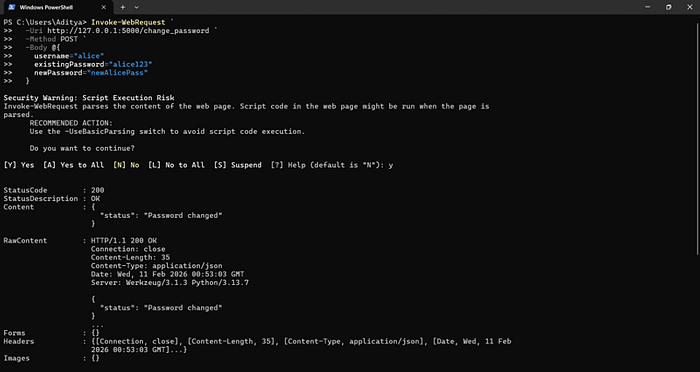
Step2: (Goal: The logic flaw attack)
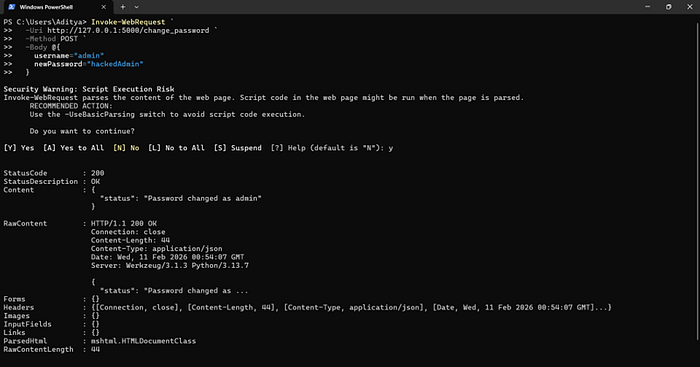
This exploits the logic flaw. No existingPassword parameter at all.
Step3: (Goal: Verify if the attack worked)
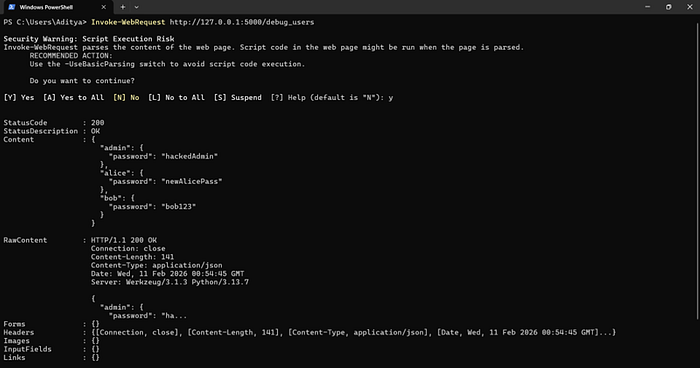
In case it is secured then the following output would have came:
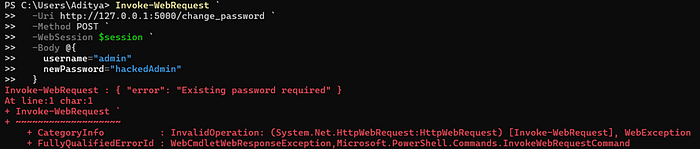
Example2: Proceeding to Checkout
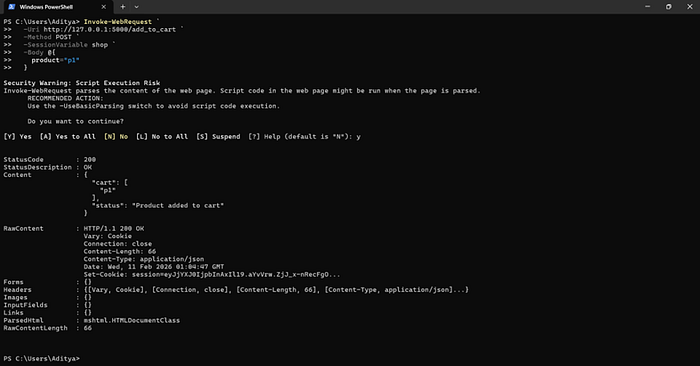
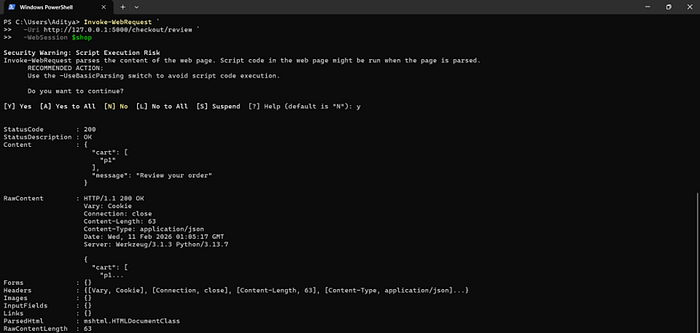
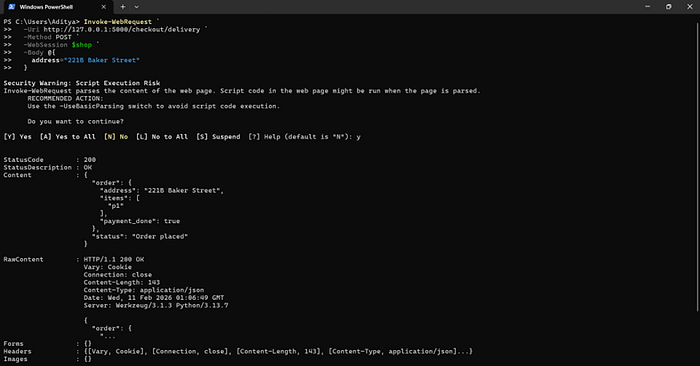
Step1: (Goal: Check the normal behaviour)
Add item to cart:
Review cart:
Payment (legitimate):

Delivery (legitimate):
Step2: (Goal: Forced browsing)
Add item to cart (same as normal):
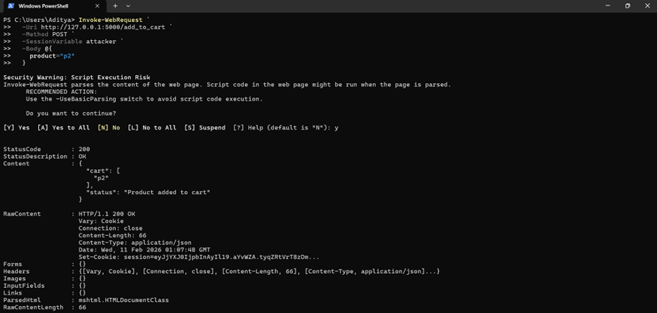
Jump straight to delivery:
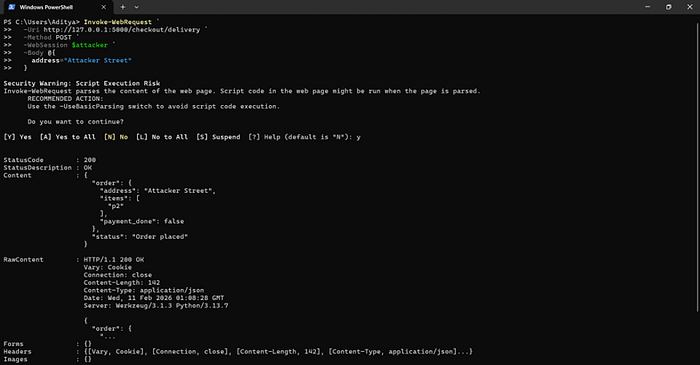
Clearly, Order placed WITHOUT payment.
Verify the Exploit:
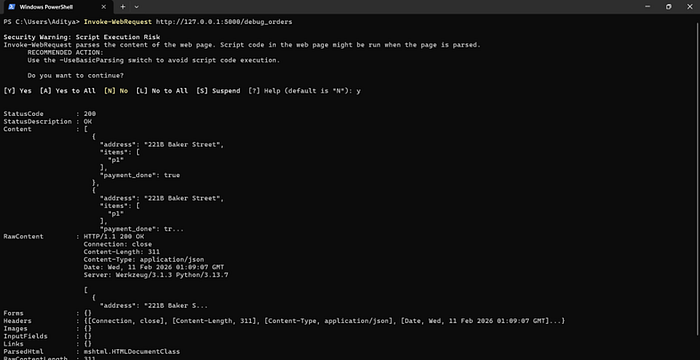
Example3: Rolling Your Own Insurance
Step1: Open the Burp Suite, and in the browser open the website as shown below:

Step2: Enter the amount in normal way, and proceed normally:
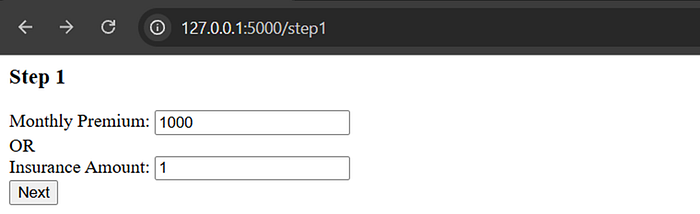
Then,
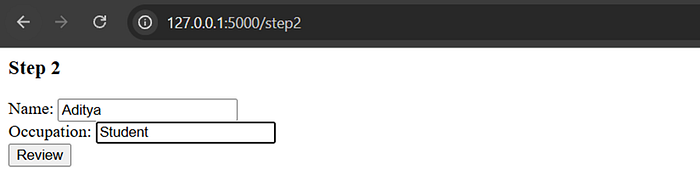
Then,
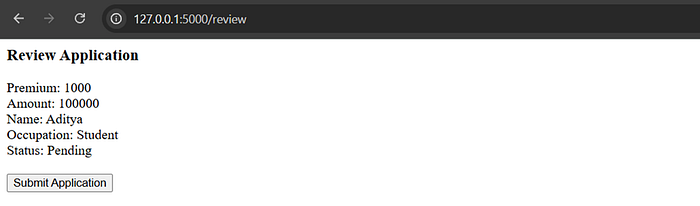
Then,

Observe the burp:
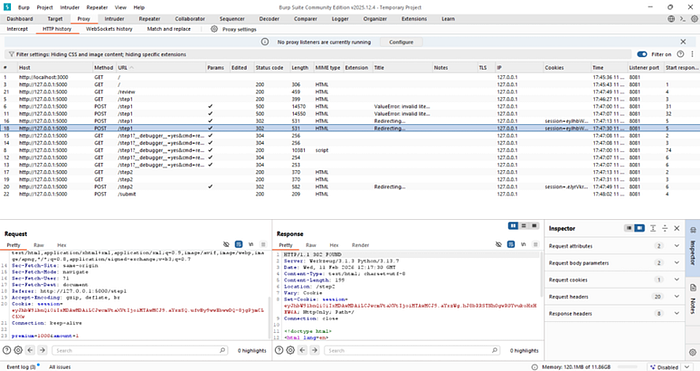
See the /step1. And the /step2:
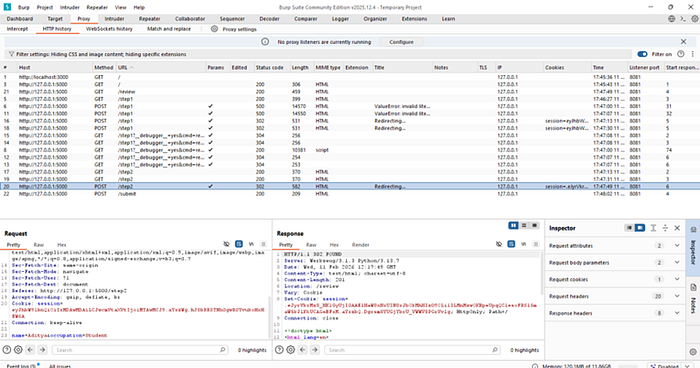
Step3: (Goal: Change Price After Step 1)
For this, forward the request to repeater:
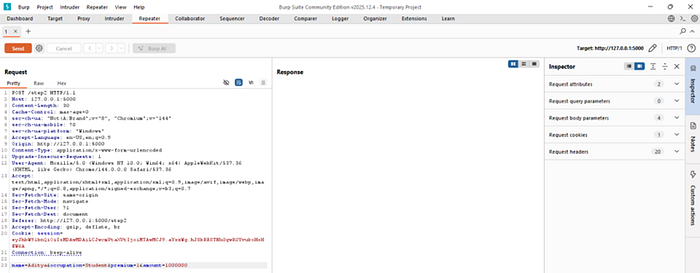
Example4: Breaking the Bank
Browser:

Step1: (Goal: Login as normal user). Alice:alice123

Now, click on "Register Another Account" and register the other account:

Following confirmation comes:
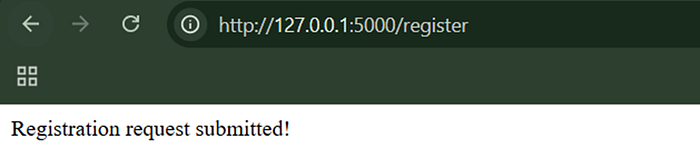
The app did: session["customer"] = create_customer_object(data, cust_number)
It OVERWROTE our authenticated identity.
Step2: (Goal: Over writing the registration)
In the new tab, go to the '/dashboard' :
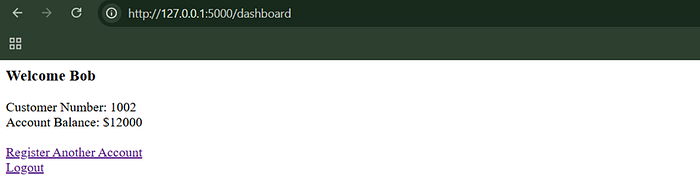
We logged in as Alice… But now we're inside Bob's account.
Why This Is Dangerous? The app reused the same object: session["customer"]
For:
· Authentication
· Registration
· Identity storage
Registration overwrote it.
Example5: Erasing an Audit Trail
Browser:
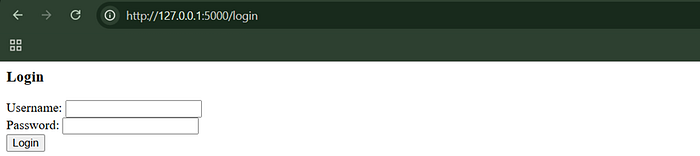
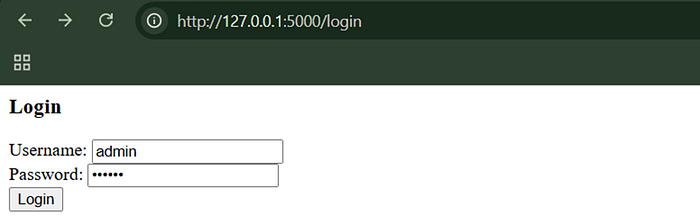
Step1: (Goal: Login as the normal user)
Following dashboard shall appear:
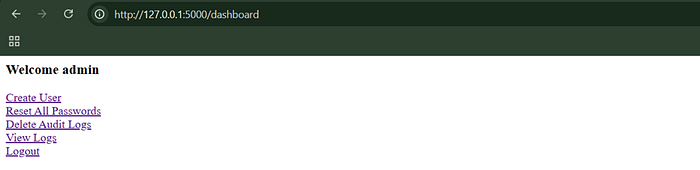
Step2: (Goal: To exploit) Create a fake admin. Go to the "create user" link:
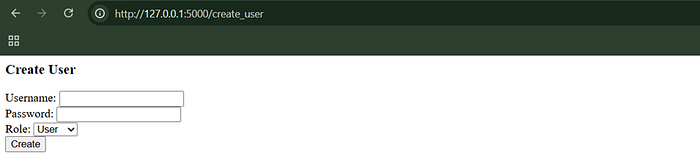
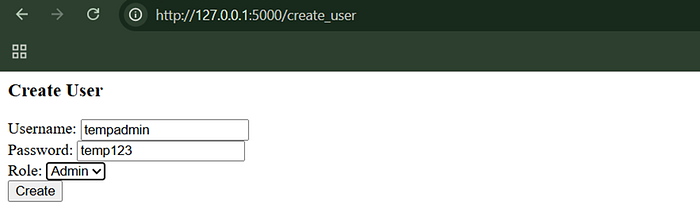
Fill it like this, and click on "Create" button, and then logout:
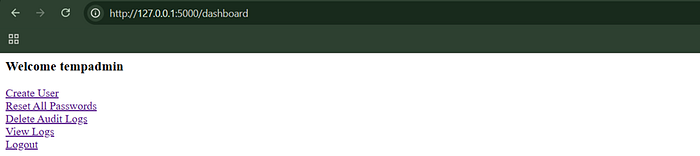
Now, login as the tempadmin:
Step3: (Goal: Malicious activity)
Click on : Reset all passwords. Now every user password = hacked

Click on: Delete Audit Logs.

Now, Click on View logs:

Everything else is gone.
What Happened?
The system assumed: If someone deletes logs, the deletion itself will be logged.
But:
1. You created a second admin.
2. Used it for attack.
3. Deleted logs.
4. Only entry left points to fake account.
There is no evidence linking original admin. Perfect crime.
Example6: Beating a Business Limit
Browser:
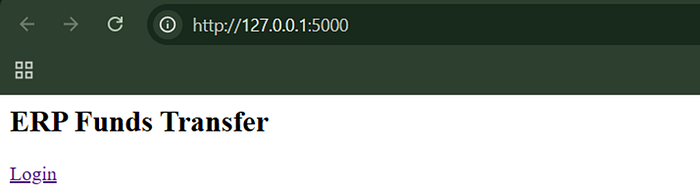
When clicked on "Login":
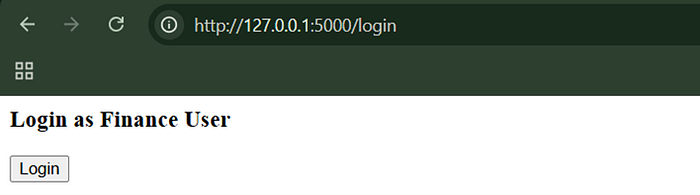
Again,
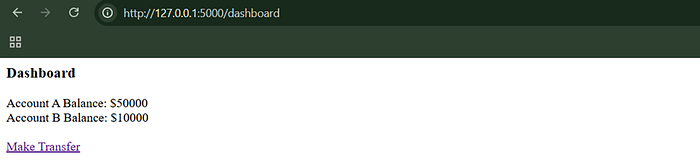
Step1: (Goal: Normal test)
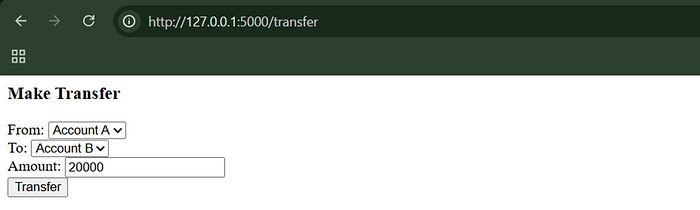
When clicked on "Transfer" button:

Clearly, Protection works for positive numbers.
Step2: (Goal: bypassing)

When did:
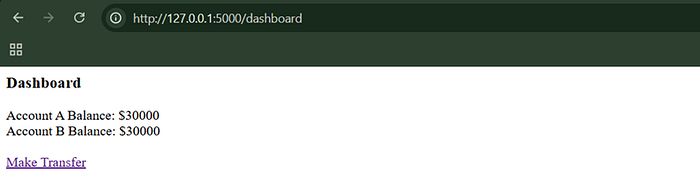
Transfer 20,000 from A → B. WITHOUT approval.
Balances become:
Account A: 30000
Account B: 30000
We bypassed anti-fraud protection.
Example7: Cheating on Bulk Discounts
Browser:
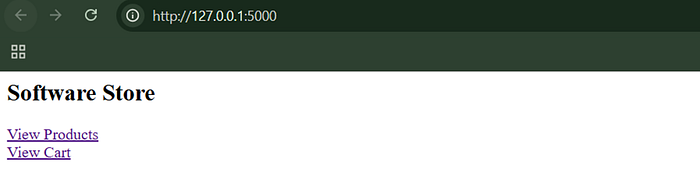
Step1: (Goal: Normal behaviour)
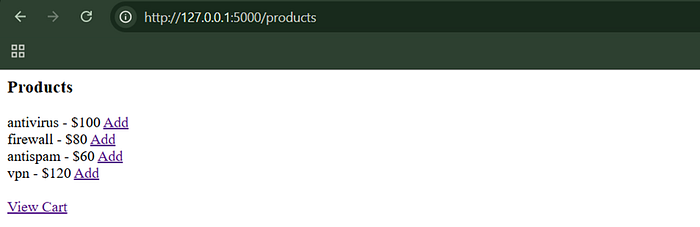
Add the first three, then visit the View Cart:
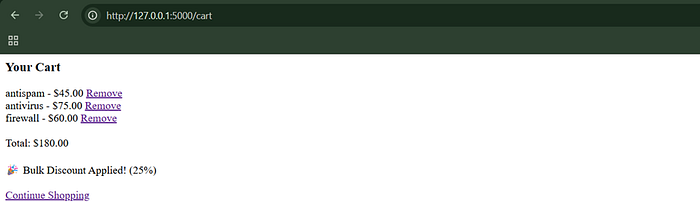
Clearly, Discount applied.
Step2: (Goal: To cheat)
Remove any two of them from the cart:

Original price was $80. We still have 25% discount. System did NOT recalculate.
Example8: Abusing a Search Function
Browser:
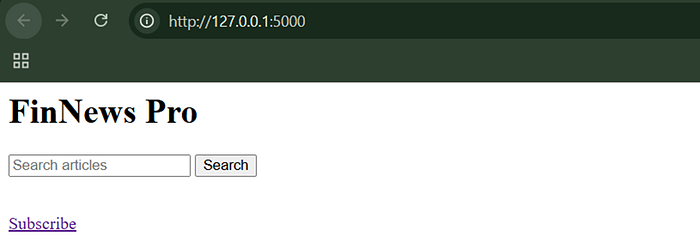
Step1: (Goal: Broad Search) Search: Wahh Consulting
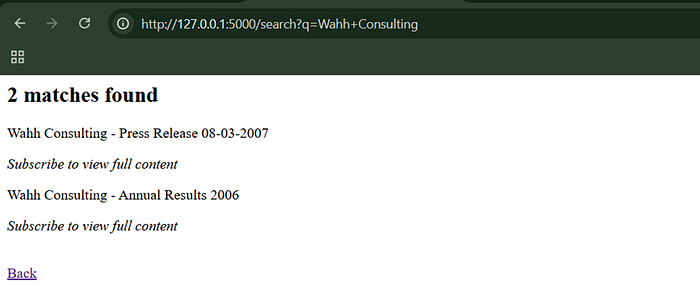
We are NOT subscribed. We see titles but no content.
Step2: (Goal: Try Narrowing) Search: Wahh Consulting takeover
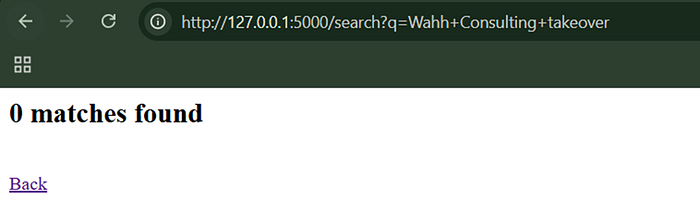
We just learned: One article contains the word "takeover".
Step3: (Goal: Refine further) Search: Wahh Consulting takeover NGS
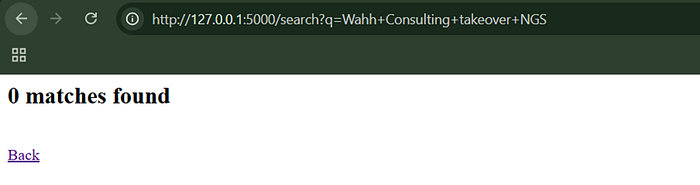
Step4: (Goal: Test Different Outcomes)
Search: Wahh Consulting takeover cancelled -> 0 matches
Search: Wahh Consulting takeover completed -> 0 matches
Without subscribing, we just reconstructed: Wahh Consulting completed takeover of NGS, is not present.
Example9: Snarfing Debug Messages
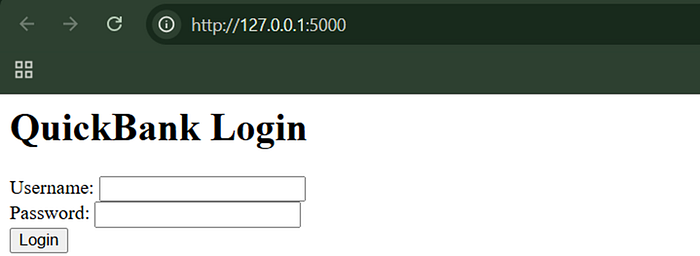
Browser1:
Browser2:
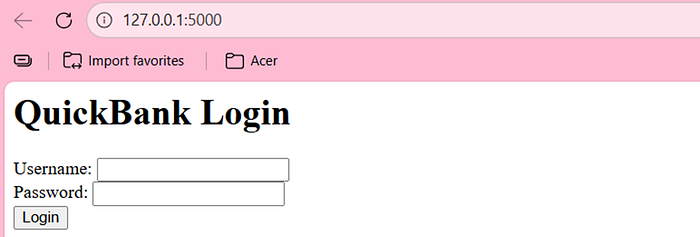
Step1: (Goal: Login)
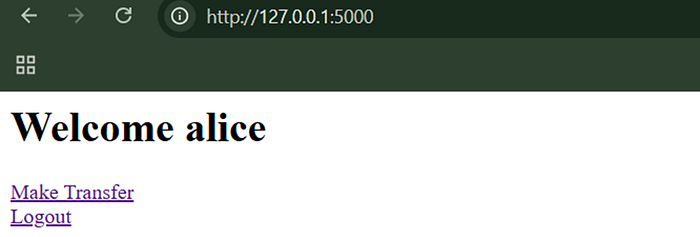
· Browser 1 → Login as alice
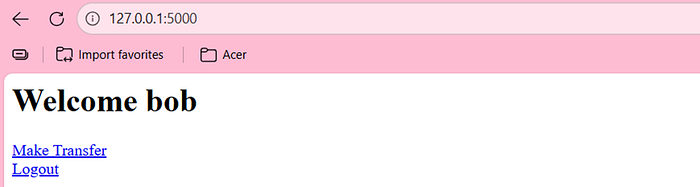
· Browser 2 → Login as bob
Browser 1:
Browser 2:
Step2: (Goal: Alice Triggers an Error)
In Browser 1 (Alice):
Go to: Transfer Money
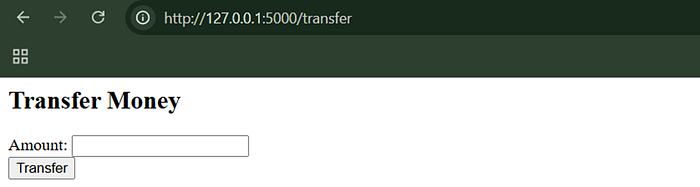
Try to transfer the money '.
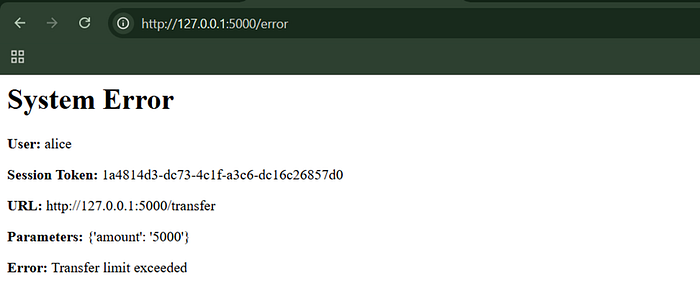
This triggers the artificial bug.
We get redirected to: /error
You'll see:
· Alice's username
· Alice's session token
· Alice's parameters
· Error message
So far, this seems normal.
Step3: (Goal: Bob Steals Alice's Debug Info)
In Browser 2 (Bob): Without triggering any error, manually go to:
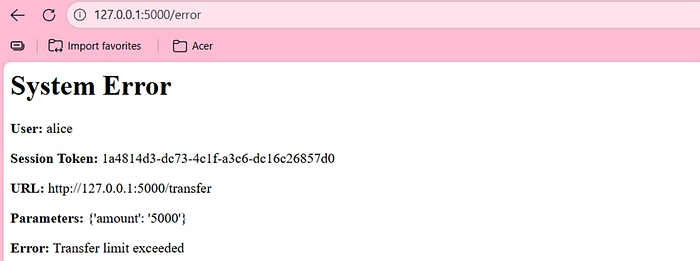
Bob now sees:
· Alice's username
· Alice's session token
· Alice's transfer details
This is cross-user data leakage.
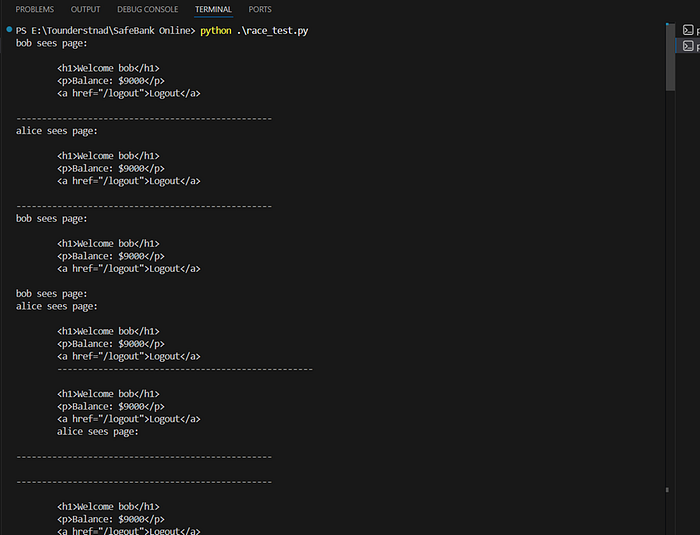
Example10: Racing against the Login
Browser:
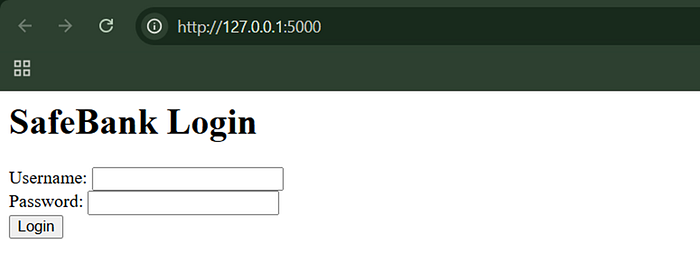
Race condition:
Avoiding Logic Flaws:
Logic flaws are prevented by:
· Clear documentation
· Strict session-based identity
· No shared mutable state
· Careful state transitions
· Defensive design reviews
· Lateral thinking during code review
Contact Me 📧 Email: adii.utsav@gmail.com 🔗 LinkedIn: https://www.linkedin.com/in/aditya-kumar-3241b6286/ 💻 GitHub: https://github.com/Rememberful