
- Using weak or default passwords — Every hacker's first attempt is guessing passwords. Use long, unique, random passwords and a password manager.
- Not updating software — Outdated CM, plugins, themes or libraries often have vulnerabilities. Always update to the latest versions.
- No web Application Firewall(WAF) — Without a WAF, malicious requests can reach yoru application directly. Use firewall to block known attacks.
- Improper Access Control — Giving too many privileges to users or apps increases risk. Apply least privilege access.
- Poorly Configured SSL/TLS — Not enforcing HTTPS leaves data exposed in transit. Install valid SSL certificates and force HTTPS everywhere.
- SQL injection vulnerabilities — Failing to snitize input allows attackers to alter database queries. Escape and validate all user inputs.
- Cross-site Scripting(XSS) — Unsanitized user input can enable maliciour scripts in users' browsers. Escape and validate all user input.
- No Protecting Against CSRF — Cross-Site Request Forgery tricks user into submitting unwanted requests. Add CSRF tokens to forms and authenticated actions.
- Poor Error Hnadling — Detailed error messages can reveal server paths, database names, software versions. Show generic messages and log details securely.
- Missing Security Headers — No header like Content-security-policy, X-Frame-Options, Strict-Transport-Security. Add protective headers for browsers to enforce security.
- Unsafe File Uploads — Allowing unrestricted file types lets attacker upoad web shells or malware. Validate types,sizes, and scans uploads.
- Insecure APIs — APIs without authentication or rate limiting are easy targets. Secure APIs with tokens, keys, and quotas.
- Not Backing Up Regularly — No Backups means a single breach can result in data loss. Automate backups and test restoration.
- Exposed Admin Panels — Admin pages without extra protection are targets for brute force attacks. Hide admin URLs, add captcha, 2FA.
- Ignoring Logs and Alerts — Security logs are useless if nobody watches them. Centralize logs and set up alerting.
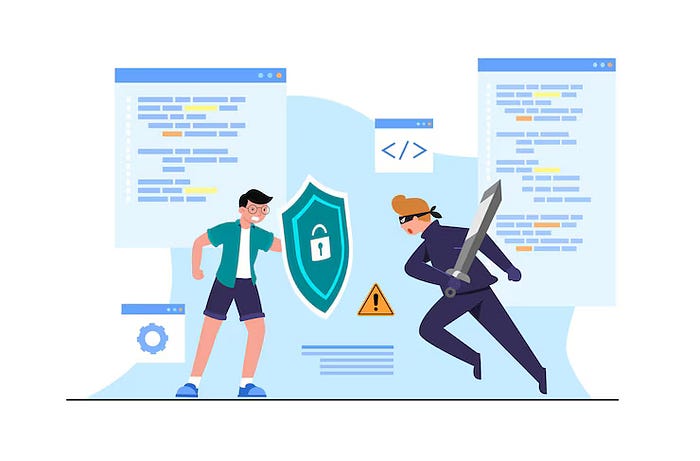
Top 15 Website Security Mistakes That Get Sites Hacked
Using weak or default passwords — Every hacker's first attempt is guessing passwords. Use long, unique, random passwords and a password…
~2 min read
·
February 17, 2026 (Updated: February 17, 2026)
·
Free: Yes