
That doesn't mean XSS is gone — it just means filters are often incomplete.
Here are a few practical ideas I keep in mind when dealing with XSS filters.
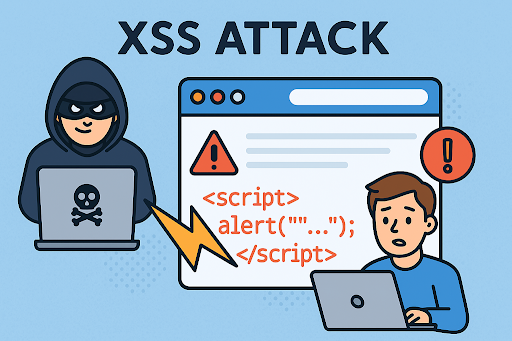
1. Executing JavaScript Without <script>
Many filters focus only on blocking <script> tags.
Browsers, however, allow JavaScript execution in many other ways,especially through html attribute might work:
<img src="x" onerror="alert(1)">In some cases, links that accept user-controlled URLs can also be abused using special URL schemes:
javascript:alert(1)The key here isn't the payload itself — it's where your input is placed in the HTML context.
2. Playing With Encoding and Case Sensitivity
Some applications rely on weak filters that only block specific lowercase keywords.
Because browsers are permissive, changing capitalization or encoding can sometimes bypass these checks.
Example:
<scrIPT>alert(1)</scrIPT>Even though this looks unusual, browsers may still interpret it correctly if the filter doesn't normalize input first.
3. Filter Logic Mistakes
One of the most interesting bypasses happens when filters apply their logic only once.
For instance, if a filter removes <script> tags a single time, malformed input may survive filtering and become valid after processing.
A broken or nested payload can sometimes transform into executable code after the filter runs.
These bugs aren't about clever payloads — they're about broken assumptions in defensive logic.
4. Escalating the Impact
Finding XSS is only part of the work.
The real impact depends on:
• Who views the injected content
• Where it executes
• What data is accessible in that context
For example, XSS can often be used to read sensitive values from the page, such as CSRF tokens, and send them to an external server.
At that point, XSS becomes a stepping stone for larger attacks like account takeover.
5. Automating Carefully
Manual testing builds understanding, but automation saves time.
Developer tools, proxy search features, and controlled fuzzing can help identify reflected input faster.
That said, automation should support your analysis — not replace it.
Final Thoughts
Bypassing XSS protection isn't about memorizing payloads.
It's about understanding:
• Browser behavior
• HTML context
• Filter weaknesses
When defenses are built on shortcuts, attackers only need one path that wasn't considered.