
The digital world is a playground, and for me, there is no greater thrill than device discovery. My favorite part of OSINT (Open-Source Intelligence) has always been the hunt — peering through the digital curtains of the internet to find the physical hardware that powers our lives. After mapping out everything from industrial controllers to legacy servers, I decided to set my sights on something more modern, sleek, and increasingly common: Tesla energy devices.
Imagine the power of locating a specific Tesla Powerwall system from across the globe. Is it possible? Is it "cool"? Absolutely. But more importantly, is it secure? Using Modat Magnify, the process of tracking down this "Device DNA" has never been easier. In this blog, I'll show you how I used advanced OT security filtering and digital fingerprinting to identify the unique signature of the Tesla Gateway, turning a complex search into a streamlined investigation.
The Discovery: From a Forum to a Footprint
My favorite part of OSINT is the initial hunt — finding that one "thread" you can pull to unravel an entire network. To find these Tesla energy devices, I started where any good investigator does: Google.
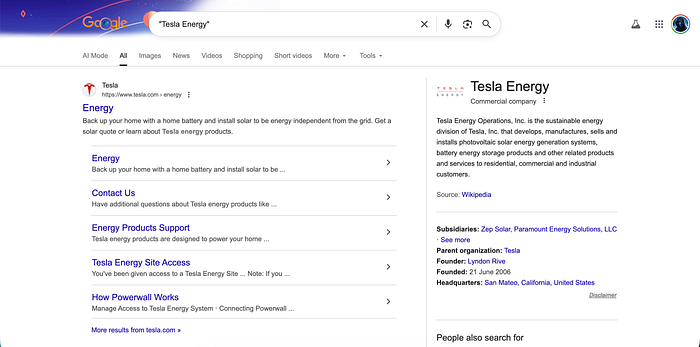
I began with a broad search for "Tesla Energy" to see how owners were interacting with their hardware.
After browsing through various pages, I struck gold on the Tesla Motors Club forum in this specific thread:
https://teslamotorsclub.com/tmc/threads/powerwall-companion-updated-windows-app.316971/page-12
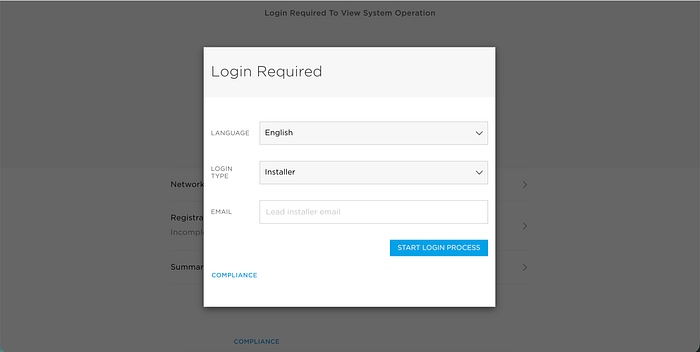
Looking through page 12 of that discussion, I saw exactly what I needed. Users were posting screenshots of their local dashboards to troubleshoot an app. In those screenshots, the browser tab title was clearly visible:

"Tesla Energy - Setup"This is the "Aha!" moment. In technical OSINT, a specific page title like this is a critical keyword. It isn't just a name; it is a unique digital signature that a device broadcasts to the internet. While a search for "Tesla" gives you millions of useless results, searching for "Tesla Energy — Setup" allows us to filter out the noise and find the actual management interfaces of the devices themselves.
Magnifying the Signature: Using Modat Magnify
With a clear keyword identified, I moved from general search engines to Modat Magnify. To find these systems, I crafted a dedicated query targeting the specific web title I discovered on the forums:
Query:
web.title ~ "Tesla Energy - Setup"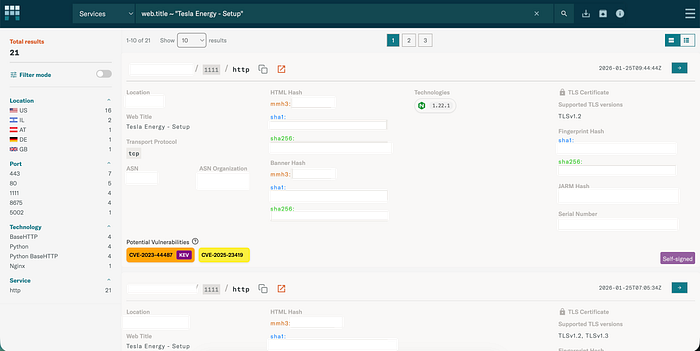
The results were immediate. Across the internet, the query pinpointed exactly 21 devices broadcasted openly.
Global Exposure Map
While 21 is a specific number, in the context of energy infrastructure, even a few exposed gateways represent a notable discovery. Here is the breakdown of where these devices were located:
Country           | Count
------------------|-------
United States (US)| 16
Israel (IL)       | 2
Austria (AT)      | 1
Germany (DE)      | 1
United Kingdom(GB)| 1
Using the query, I was able to see the specific digital signatures — including open ports and service headers. This confirms that even modern energy storage units can be tracked down with a specific OSINT methodology and the right search parameters.
The Impact: Public Interface Exposure
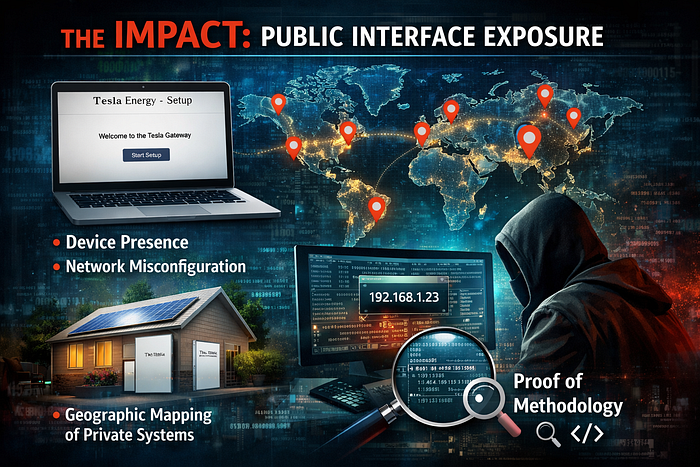
In OSINT, the "impact" is the simple fact that a private infrastructure device is reachable via a public IP. Based on the "Tesla Energy — Setup" page discovered, the impact is centered on unauthorized visibility of the management interface.
1. Management Interface Visibility
The most significant impact is that the Tesla Gateway setup portal is broadcasted to the internet. While we are not logging in, the existence of this page confirms: * Device Presence: A specific, active Tesla energy system is linked to a public IP address. * Network Misconfiguration: The local setup interface, intended for a home network or direct connection, has been exposed to the global web.
2. Geographic Mapping of Private Infrastructure
By identifying these 21 devices, we have effectively created a geographic map of private energy storage. This allows anyone to see exactly where these systems are located globally (down to the country and city level), turning private home hardware into public data points.
3. Proof of Methodology
This discovery serves as a technical proof of concept. It shows that by finding a single "keyword" in a public forum, an investigator can use tools like Modat Magnify to filter through millions of IPs and isolate specific pieces of modern infrastructure. This highlights a need for better default security and firewall configurations for smart home energy systems.
Conclusion
Finding the Tesla Powerwall signature demonstrates how a small trail left on a community forum can lead to the discovery of devices worldwide. By identifying the specific "Tesla Energy — Setup" string and applying it within Modat Magnify, we moved from a general interest in Tesla devices to a list of 21 live, exposed systems.
This isn't about exploiting a system; it's about understanding our digital footprint. It is a reminder that in the age of the "smart grid," our private energy infrastructure is often only as secure as the network it sits on.