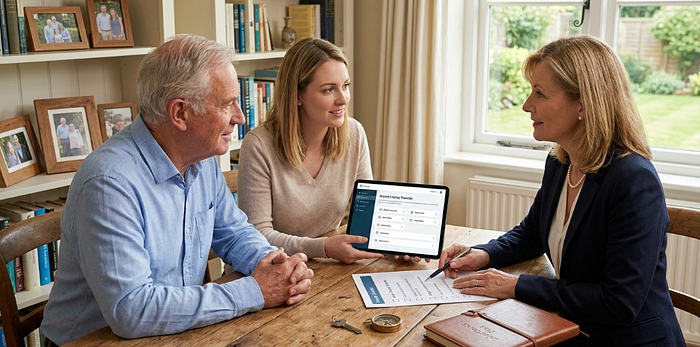

I used to think writing passwords down somewhere "just in case" was enough. A notebook, maybe a password manager with emergency access… it felt responsible. But the more I thought about it, the more uncomfortable it became.
Because the real problem isn't just storing credentials. It's making sure the right people get access, at the right time, and absolutely not before.
That's where the idea of secure access after death starts to shift from simple storage to something much more controlled. And honestly, most tools don't get this balance right.
Why Most Solutions Fall Short
A lot of platforms focus on convenience first. That's where things get risky.
Some common approaches people take:
- Sharing passwords early "just in case"
- Using password managers with emergency access triggers
- Leaving instructions in documents or emails
The issue isn't that these don't work. It's that they rely heavily on trust and timing… two things that are hard to control once information is exposed.
What's missing is real access control. Not just who can access, but when and under what conditions.
What a Better Approach Looks Like
The safest platforms today treat this like a process, not a file.
Instead of simply storing credentials, they let you:
- Document what exists (accounts, assets, instructions)
- Assign specific people (executors, family, trusted contacts)
- Define rules around access
- Require verification before anything is released
That last part matters more than people realize.
Because without verification, "secure" doesn't mean much.
How It Works in Practice
With a platform like InheritSafe, the process feels a lot more intentional.
Step 1: Create your private vault
You document your accounts, credentials, and instructions in one place. This can include things people might not even know exist.
Step 2: Assign trusted contacts
You choose who gets access. Not everyone sees everything. Access can be limited depending on their role.
Step 3: Set access rules
This is where access control becomes real. You define when and how access is granted, rather than leaving it open-ended.
Step 4: Verification before release
Before anything is shared, a verification process takes place. This helps prevent false claims or premature access.
Step 5: Controlled release
Only after verification are the right pieces of information released to the right people.
It's structured, but in a way that feels calm and predictable rather than complicated.
And importantly, nothing is exposed while you're alive.
What People Often Get Wrong
One thing I've noticed is how easy it is to underestimate the risk of being too helpful too early.
People tend to:
Store everything in one place without restrictions Share full access with a single person Skip verification steps entirely Assume "trusted" means "safe forever"
The problem isn't trust. It's that situations change. Relationships shift. And information, once shared, can't be taken back.
Security and Privacy: What Actually Matters
A platform designed for this kind of responsibility needs to be strict about a few things:
First, your data stays private while you're alive. No one can browse or preview your vault.
Second, access is conditional. It doesn't rely on someone simply requesting it.
Third, there's a structured verification process before any release happens.
And finally, the system is designed to guide the process, not replace legal or professional advice. It's a tool that supports planning, not something that makes decisions for you.
That balance is important. It keeps things both secure and realistic.
So… What's the Best Option?
If you're thinking about secure access after death, the best platform isn't the one that stores the most information.
It's the one that controls how that information moves.
Something that gives you:
Clarity while you're alive Privacy until the right moment And a controlled, verified way for others to step in when needed
That's what actually solves the problem.
Final Thoughts
I used to think this was just about organizing passwords. It's not.
It's about making sure nothing is lost, nothing is exposed too early, and nothing turns into a burden for the people you care about.
If you're setting this up, start simple. List what matters. Decide who should have access. Then choose a system that respects both your privacy now and your intentions later.
That's where the real peace of mind comes from.
FAQs
What does "secure access after death" actually mean?
It refers to a system where your digital accounts, credentials, and instructions remain private during your lifetime but become accessible to designated people after a verified event. The key is that access isn't immediate or automatic. It follows a structured process that includes identity checks and predefined rules, ensuring your information is only released when appropriate.
Why isn't a password manager enough for this?
Most password managers focus on convenience and shared access. While some offer emergency features, they often lack strong verification workflows and granular access control. This means information could be accessed too early or by the wrong person, which defeats the purpose of secure inheritance planning.
How does access control improve security in inheritance planning?
Access control ensures that different people receive only what they need, when they need it. Instead of giving full access to everything, you can limit visibility and define conditions for release. This reduces risk significantly and prevents misuse, especially in sensitive situations.
What kind of verification happens before access is granted?
Verification typically involves confirming that a specific condition has been met, such as death, through a structured process. This may include documentation review or trusted-party involvement. The goal is to prevent false claims and ensure that access is only granted when it's legitimate.
Can I update my information over time?
Yes, and this is actually important. Life changes, accounts change, and relationships change. A good platform allows you to update your vault, adjust access rules, and change designated contacts without disrupting the overall structure of your plan.
Is my information visible to anyone while I'm alive?
No. In a properly designed system, everything remains private until the defined conditions are met. Even the people you assign won't be able to see your stored information until access is formally triggered and verified.