
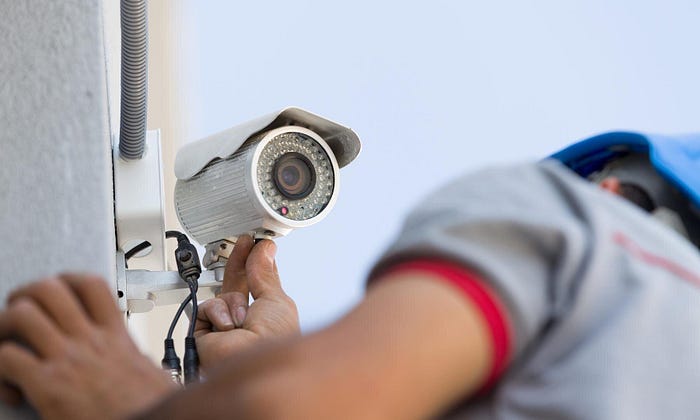
The first time I realized the true value of Security camera installation wasn't after watching a crime documentary or reading alarming statistics. It was the night my neighbor's car was broken into, right outside my window. No alarms went off. No one heard a thing. By morning, the damage was done — and there was no proof of who was responsible. That moment stayed with me, and it's one many people can relate to. Security cameras aren't about fear; they're about preparedness, awareness, and control.
Today, security camera installation has become a cornerstone of modern home security systems and commercial security systems, offering protection that works quietly in the background.
Why Security Camera Installation Is More Important Than Ever
We live in a time where convenience and vulnerability coexist. Smart homes, remote work, and 24/7 businesses are wonderful — but they also create more opportunities for security risks. Cameras fill the gap between being present and being protected.
More Than Just Recording Video
Modern security cameras do far more than capture footage. They actively deter crime. A visible camera alone can stop theft before it happens. And when incidents do occur, recorded footage provides clarity instead of guesswork.
Security camera installation gives you:
- A constant watchful presence
- Evidence when you need it most
- Confidence when you're away
- It's not about watching people — it's about protecting spaces.
Understanding the Basics of Security Camera Installation
Before installing cameras, it's important to understand what goes into a system. Many people think installation is just drilling holes and mounting hardware, but the effectiveness of a system depends on planning.
Key Components of a Security Camera System
A complete setup usually includes:
- Cameras (indoor or outdoor)
- A recording device (DVR or NVR)
- Storage (cloud-based or local)
- Power supply
- Internet connection for remote viewing
- Each element plays a role in how reliable and useful the system will be.
Security Camera Installation for Homes
Modern Home security systems are designed to be simple, smart, and accessible. Homeowners today want to check on their property from a phone, receive instant alerts, and feel safe without complicated controls.
Press enter or click to view image in full size
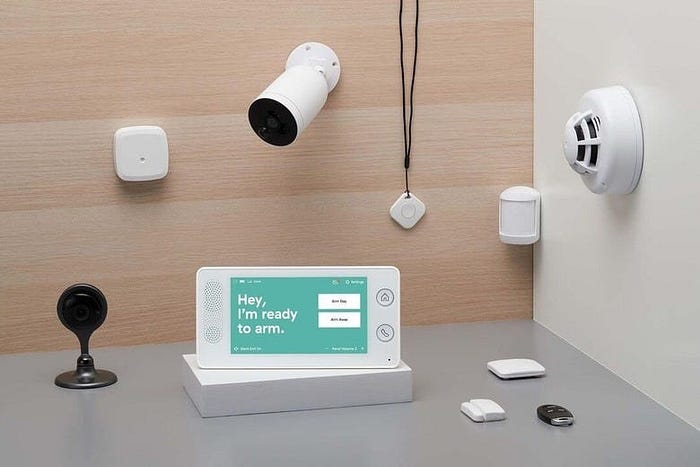
Best Locations for Home Security Cameras
Placement is everything. Cameras should cover areas that matter most without invading privacy.
Ideal locations include:
- Front and back entrances
- Driveways and garages
- Side yards
- Common indoor spaces
- Bedrooms and bathrooms should always remain camera-free to respect privacy.
Indoor vs Outdoor Cameras
Indoor cameras help monitor pets, children, or shared living spaces. Outdoor cameras are weather-resistant and built to capture activity around entry points.
Combining both creates a balanced and effective home security system.
Commercial Security Camera Installation: A Business Essential
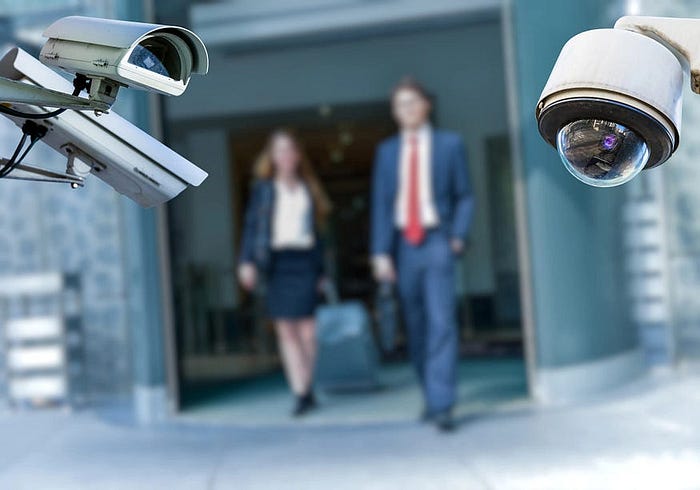
For businesses, security camera installation is less about peace of mind and more about continuity. Commercial security systems protect not just property, but people, inventory, and reputation.
Why Businesses Depend on Security Cameras
Business owners rely on cameras to:
- Prevent theft and vandalism
- Monitor employee activity
- Resolve customer disputes
- Improve safety compliance
- A single camera can save thousands by preventing loss or settling legal disputes.
Common Areas for Commercial Cameras
Strategic placement ensures maximum coverage:
- Entrances and exits
- Cash registers
- Storage and inventory areas
- Parking lots
- Hallways and loading docks
Professional installation ensures cameras are effective without disrupting daily operations.
DIY vs Professional Security Camera Installation
Choosing between DIY and professional installation depends on your needs, budget, and property size.
DIY Installation: When It Makes Sense
DIY systems are popular for small homes or apartments.
Pros
- Lower upfront cost
- Quick setup
- Easy upgrades
Cons
- Limited placement expertise
- Potential blind spots
- Troubleshooting challenges
- DIY can work — but only when done carefully.
Professional Installation: Long-Term Reliability
Professional installers evaluate your space and customize the setup.
Pros
- Optimal camera placement
- Clean wiring
- System integration and support
Cons
- Higher initial cost
For large homes or Commercial security systems, professional installation often provides better long-term value.
Press enter or click to view image in full size
Choosing the Right Security Cameras
Not all cameras are the same. The right choice depends on lighting, environment, and purpose.
Features Worth Investing In
Look for cameras with:
- High-definition video
- Night vision
- Motion detection alerts
- Remote mobile access
- Weather resistance
Smart features turn your camera system into an active security partner instead of a passive recorder.
Privacy and Legal Responsibilities
Security camera installation comes with ethical and legal obligations. Recording should always respect personal boundaries and local laws.
Best Practices for Responsible Use
- Avoid private areas
- Inform employees and visitors
- Follow surveillance regulations
Transparency protects trust and prevents legal complications.
Maintaining Your Security Camera System
Even the best system needs care. Regular maintenance ensures reliability.
Simple Maintenance Tips
- Clean lenses monthly
- Check power and connections
- Update software
- Test alerts and night vision
A system that isn't maintained may fail when it matters most.
Final Thoughts: Is Security Camera Installation Worth It?
Whether you're strengthening home security systems to protect loved ones or upgrading commercial security systems to protect a business, security camera installation is a powerful step toward safety and control.
The real value isn't just in the footage — it's in the reassurance that someone, or something, is always watching over what matters most. In a world that rarely slows down, that quiet sense of security is priceless.