

Introduction: Cyber Conflict Has Entered the Diplomatic Arena
Cyber warfare is no longer confined to shadowy hackers operating in isolation. Today, it is a strategic instrument of statecraft. Nations deploy cyber capabilities to gather intelligence, disrupt economic systems, influence political narratives, and shape geopolitical outcomes, often without crossing the threshold of traditional warfare.
For emerging digital economies like Nigeria, this evolving landscape presents both risk and opportunity. As the country accelerates its digital transformation, expanding fintech ecosystems, digital trade platforms, and e-governance initiatives, it becomes increasingly embedded in global digital infrastructure. With that integration comes exposure to state-level cyber competition.
Yet cybersecurity in the age of digital geopolitics is not only about firewalls and threat detection. It is equally about diplomacy, international collaboration, and intelligence exchange. Increasingly, countries are relying on Diplomatic Intelligence Tools (DITs), a fusion of strategic diplomacy, multilateral cooperation, and intelligence-driven partnerships , to prevent cyber conflicts before they escalate.
Nigeria's growing engagement in global technology forums, regional cybersecurity initiatives, and international partnerships demonstrates how diplomatic intelligence is emerging as a core component of national cyber defence.
Cyber Warfare Among States: Understanding the Modern Threat Landscape
State-sponsored cyber activities differ significantly from conventional cybercrime. While criminals seek financial gain, state actors pursue strategic objectives:
- Cyber espionage targeting government or defence institutions
- Digital influence campaigns aimed at shaping public opinion
- Attacks on financial systems or critical infrastructure
- Intellectual property theft and economic espionage
- Supply-chain and trade system manipulation
Unlike traditional warfare, cyber conflict often exists in a "grey zone," where attribution is uncertain, and responses must be carefully calibrated to avoid diplomatic escalation.
In this environment, nations must move beyond purely technical defences and adopt diplomatic strategies that foster intelligence exchange, conflict prevention, and cooperative cyber governance.
Diplomatic Intelligence Tools: A Strategic Cybersecurity Framework
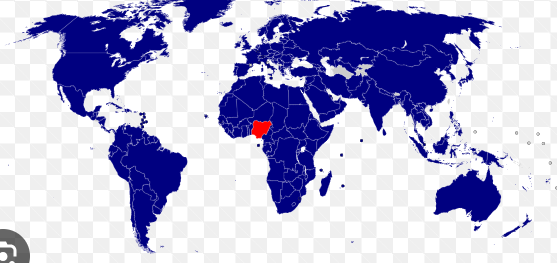
Diplomatic Intelligence Tools refer to the use of international cooperation, intelligence-sharing mechanisms, and diplomatic engagement to address cybersecurity risks. These tools enable nations to anticipate threats, coordinate responses, and establish shared norms for responsible behaviour in cyberspace.
Key components include:
Cyber Diplomacy
Negotiating agreements, participating in international cyber forums, and contributing to global norms governing state behaviour in cyberspace.
Multilateral Intelligence Sharing
Collaborating with regional and global partners to exchange cyber threat intelligence and develop coordinated responses to emerging risks.
Technology Diplomacy
Engaging through international technology conferences, technical forums, and cooperative innovation platforms that facilitate knowledge exchange and risk awareness.
Strategic Communication Channels
Maintaining diplomatic communication pathways to clarify cyber incidents and reduce misunderstandings that could escalate tensions.
By integrating diplomacy with cybersecurity, nations can address not only technical threats but also the geopolitical dynamics driving cyber warfare.
Nigeria's Engagement in Global Cyber Diplomacy: The Role of Technology Forums

Nigeria's participation in global technology events, including international customs and digital trade platforms such as the World Customs Organization (WCO) Technology Conference & Exhibition , illustrates how technical cooperation functions as diplomatic intelligence.
Modern customs systems rely heavily on digital data exchange, automated logistics platforms, and integrated trade networks. These systems are prime targets for cyber espionage and supply-chain manipulation. Participation in WCO technology forums enables Nigeria to:
- Exchange intelligence on emerging cyber threats affecting digital trade
- Collaborate on secure customs technologies and data protection strategies
- Build bilateral and multilateral relationships that strengthen cyber resilience
- Align national systems with international cybersecurity standards
Such conferences serve not only as technology exhibitions but also as diplomatic environments where states share strategic insights and coordinate responses to cross-border digital risks.
Through this engagement, Nigeria strengthens its ability to anticipate cyber threats affecting trade infrastructure, a critical aspect of modern economic security.

NITDA and Nigeria's Cyber Diplomacy Strategy
The National Information Technology Development Agency (NITDA) plays a central role in Nigeria's diplomatic intelligence approach to cybersecurity. Through partnerships with regional organizations, global technology firms, and international governments, NITDA integrates diplomacy into national cyber defence.

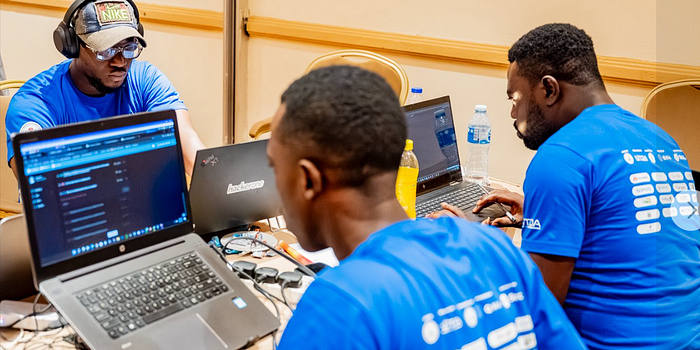
Regional Cooperation Through ECOWAS and West African Initiatives
NITDA has participated in regional cybersecurity development programs and collaborative initiatives aimed at strengthening cyber capacity across West Africa. These efforts promote:
- Regional intelligence sharing on cyber threats
- Harmonized cybersecurity policies
- Collective defence against cross-border cybercrime
- Talent development through collaborative programs and hackathons
By fostering regional cooperation, Nigeria contributes to a shared cybersecurity ecosystem where threats are detected and addressed collectively rather than in isolation.
African Union and Continental Cyber Governance
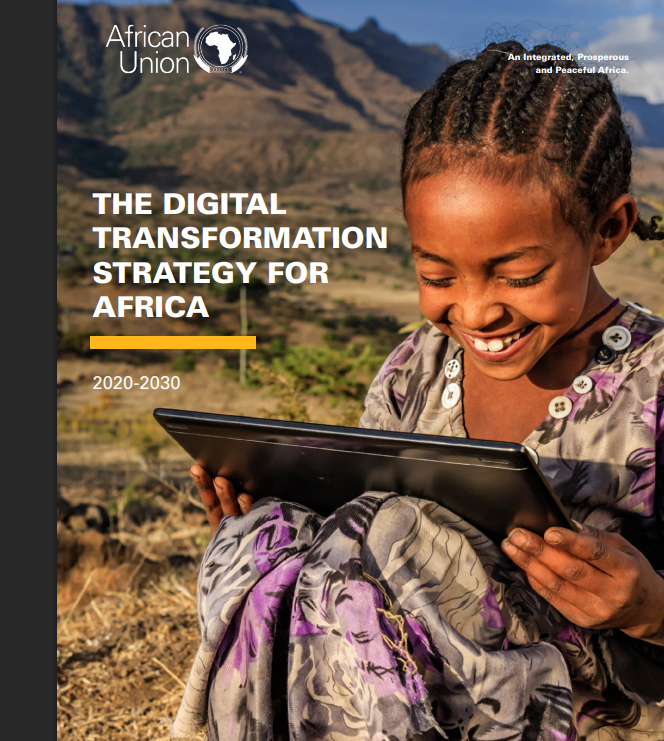
Nigeria's engagement with the African Union digital transformation and cybersecurity frameworks reinforces diplomatic intelligence at the continental level. Through AU initiatives, member states work toward:
- Harmonized cyber laws and digital governance standards
- Coordinated incident response strategies
- Regional digital infrastructure protection
- Collective negotiation power in global cyber policy discussions
This continental approach strengthens Africa's resilience against external cyber pressures and promotes a unified voice in international digital governance. African Union
Global Public–Private Partnerships
NITDA's collaborations with global cybersecurity companies and technology leaders demonstrate another dimension of diplomatic intelligence. Partnerships with international cybersecurity firms and technology providers support:
- Threat intelligence exchange
- Capacity building and cybersecurity training
- Protection of critical digital infrastructure
- Development of national cybersecurity strategies
These partnerships extend Nigeria's intelligence network beyond government agencies, integrating private sector expertise into national cyber defence.
Bilateral Cybersecurity Cooperation
Nigeria has also pursued bilateral cybersecurity partnerships with international governments, focusing on:
- Building resilient national cybersecurity architecture
- Enhancing incident response capabilities
- Sharing intelligence on emerging cyber threats
- Developing best practices in cyber governance
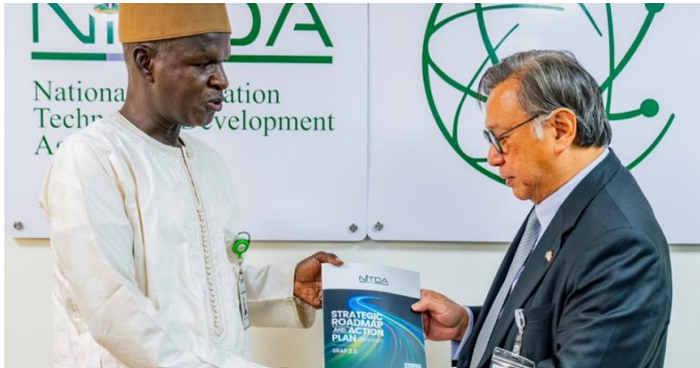
Such diplomatic engagements reduce the likelihood of cyber misunderstandings and contribute to a global framework of cooperative cyber defence.
Strategic Impact: How Diplomatic Intelligence Strengthens Cyber Defence
Nigeria's engagement in global technology conferences, regional cybersecurity programs, and international partnerships yields several strategic advantages:
- Enhanced early warning systems through intelligence exchange
- Strengthened protection of digital trade and financial infrastructure
- Improved capacity to respond to cross-border cyber threats
- Increased influence in shaping regional and global cyber norms
- Greater resilience against state-level cyber warfare

Diplomatic intelligence enables Nigeria to anticipate threats before they materialize, transforming cybersecurity from a reactive function into a proactive national strategy.
Challenges and Limitations
Despite significant progress, Nigeria faces ongoing challenges in implementing diplomatic intelligence strategies:
- Resource and capacity constraints
- Difficulties in attributing cyberattacks to specific state actors
- Variations in cybersecurity maturity across regional partners
- Political trust barriers that complicate intelligence sharing
- Rapid evolution of emerging technologies such as AI-driven cyber operations
Addressing these challenges requires sustained investment in training, governance structures, and international collaboration.
Policy Recommendations
To further strengthen diplomatic intelligence capabilities, Nigeria could consider:
- Establishing a dedicated Cyber Diplomacy and Intelligence Coordination Unit within its national cybersecurity framework.
- Expanding regional intelligence-sharing agreements within ECOWAS.
- Integrating customs technology intelligence into national security planning.
- Developing specialized cyber diplomacy training programs for foreign service officers.
- Strengthening public–private partnerships to enhance national threat intelligence capabilities.
- Promoting African-led cyber governance initiatives within global digital policy forums.
Conclusion: Diplomacy as a Strategic Cyber Defence Tool
Cyber warfare among states is shaping the future of international relations. For nations navigating rapid digital transformation, technical cybersecurity measures alone are insufficient. Diplomatic intelligence built through international cooperation, strategic technology engagement, and intelligence sharing offers a pathway toward resilience and stability.
Nigeria's participation in global technology forums such as the WCO Technology Conference, its regional leadership through ECOWAS and African Union initiatives, and NITDA's extensive international partnerships illustrate how diplomatic intelligence tools can serve as a powerful defence mechanism.
In the evolving landscape of digital geopolitics, cybersecurity battles are not fought solely through code and infrastructure. They are also negotiated in international conferences, strengthened through regional alliances, and shaped by diplomatic engagement.
For Nigeria and for many emerging digital economies, the future of cybersecurity will depend not only on technological innovation but also on the strategic use of diplomacy as a cyber defence instrument.

I hope you have found value in my article. Consider subscribing, clapping and following me on my socials. If you have any questions, I am only a DM away.
- LinkedIn: https://www.linkedin.com/in/enitan-ogungbade/
- Twitter: https://x.com/Enitan58
- GitHub: https://github.com/Enitanogun1
- Gmail: ogungbadeenitan23@gmail.com