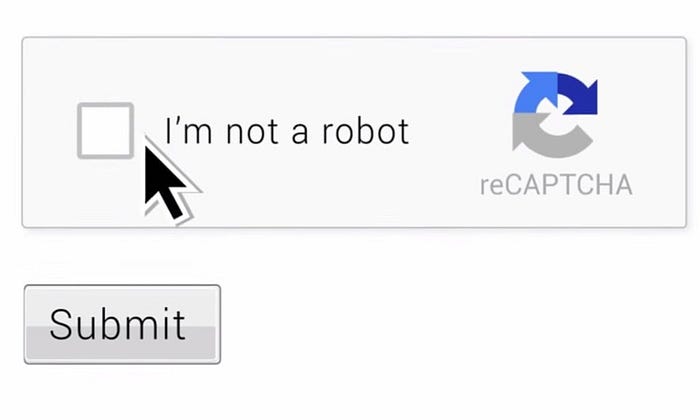

Every time we click the little checkbox that says "I am not a robot," it feels almost ironic. After all, what's stopping a robot from clicking the same box?
The truth is—NOTHING.
And that's exactly the point.
Most people think that checkbox is the test. But in reality, it's just the beginning. Systems like Google's reCAPTCHA don't rely on your answer, they analyze your behavior.
Before you even click, the system is already watching (in a non-creepy, technical sense). It looks at how your mouse moves, how quickly you interact with the page, and whether your actions resemble natural human behavior. Humans tend to move unpredictably, hesitate slightly, and interact in ways that are hard to perfectly imitate.
Bots, on the other hand, often behave too precisely or too quickly(probably in a straight line to the target point)
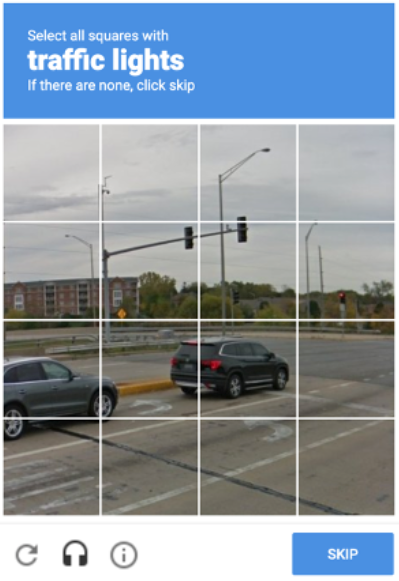
When you click the checkbox, you're not proving anything, you're triggering a deeper analysis. If everything looks natural, you pass instantly. If something seems unusual, you might be asked to identify traffic lights, crosswalks, or buses in a set of images.
So the real test isn't what you click—it's how you behave.
This raises an interesting idea: proving you're human isn't about a single action anymore. It's about patterns, imperfections, and subtle signals that machines still struggle to fully replicate.
Ironically, the more effortlessly you click "I am not a robot," the more likely it is that you actually are human.
In a world where bots are getting smarter, the definition of being human is becoming less about declarations—and more about behavior.