This challenge is focused on LFI. What's LFI?
- LFI (Local File Inclusion) is a class of web vulnerability and an attack technique/exploitation vector that abuses unsanitized file-include functionality in a web application.
- What it does: it lets an attacker cause the server-side application to read and/or include files from the local filesystem (and sometimes special streams), leading to information disclosure and — in many cases — remote code execution through secondary techniques.
More detail (how it works)
- Typical vulnerable pattern (PHP example): the application does something like include($_GET['page']); and then an attacker controls the page parameter.
- Common exploitation methods:
- Path traversal: send values like ../../../../etc/passwd to climb directories and read sensitive files (configuration files, passwords, SSH keys, application source).
- Use of special wrappers/streams (in PHP: php://filter, php://input, data://) to read encoded content or feed data to the interpreter.
- Log / upload poisoning: if you can inject PHP into a log or upload a file that the application later includes (e.g., including Apache access.log), you can get the server to execute attacker-supplied code.
- Session or socket files: include session files or other writable files to steal sessions or escalate access.
This is a very quick and easy challenge, so this will be short.
This is the machine info given:
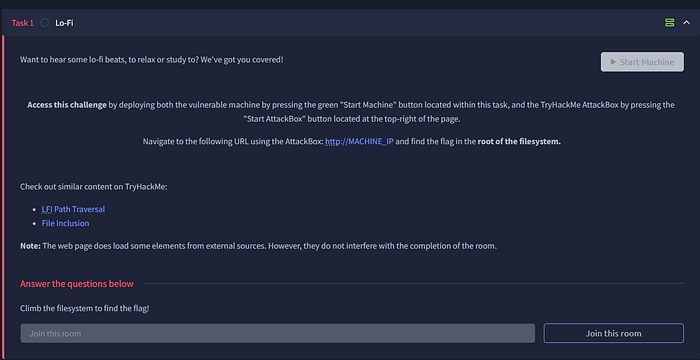
Here, we see that 'similar content' is LFI rooms.
This also says to just navigate to the URL for the challenge. Which I guess means the nmap scan isn't necessary, but I did it anyways out of habit, and trying to establish healthy technique.
This is the nmap scan.
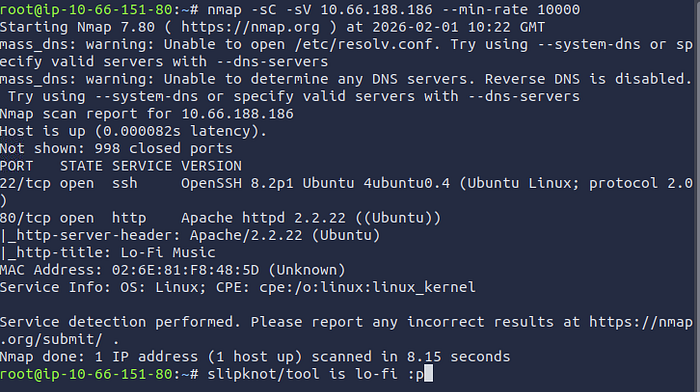
Here, we see 2 open ports.
Port 22, for SSH.
And Port 80, for HTTP.
In firefox (any web browser), this is what I got.
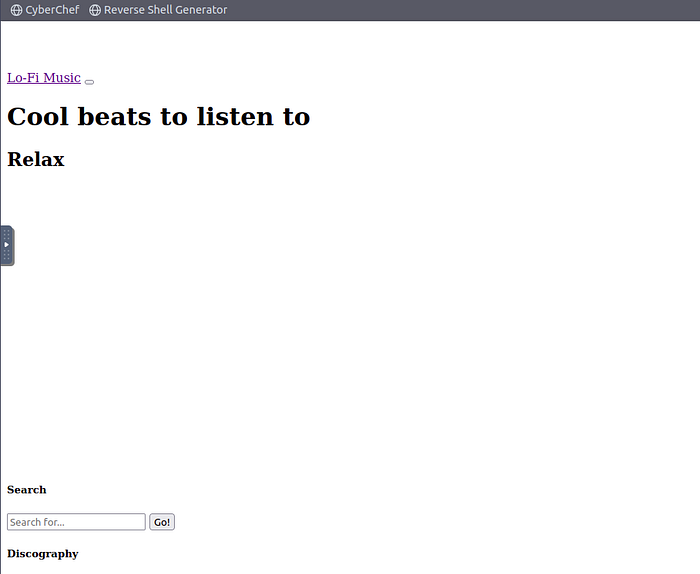
Playing around on the site, you notice the 'page' parameter at the top, which reminded me of IDOR at first, but then I remembered this is LFI, and after a quick refresher on LFI, i attempted "/etc/passwd".

^^ This is just the exact same URL, (machine IP), but with "../../../../etc/passwd" added into the URL.
So what's happening here?
The first screenshot, was just simply "http://MACHINE_IP".
This one, is "http://MACHINE_IP/?page=../…/../../etc/passwd".
The "/etc/passwd", is a directory in a linux file system, where all the passwords and account names are listed. (Technically, /etc/shadow is, but that's out of scope for this to explain)
Now, doing the exact same thing, I try "flag.txt".
Now, what this does, is essentially the same as on a Windows computer, you double-clicking a file named "flag.txt" on the Desktop. It's not EXACTLY the same, because it isn't "../Desktop/flag.txt", but i'm explaining the similarity. Linux functions differently than Windows, and everything is a file in Linux.
So, with this in mind, I try "../flag.txt"
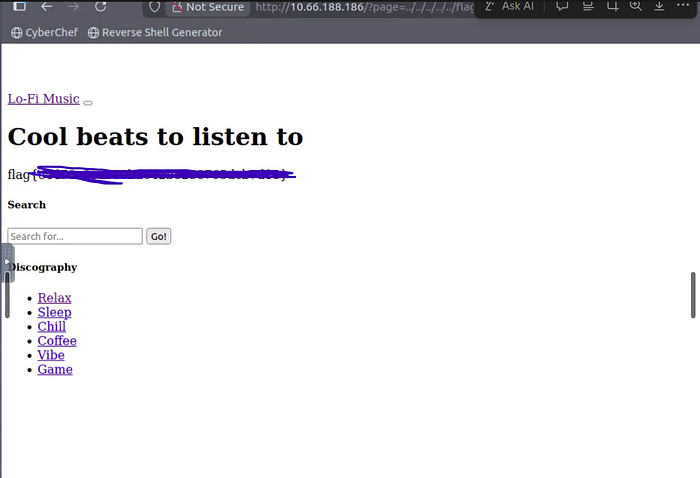
And, it gives the flag.
The whole point of this, is showing that sometimes Web Apps have a vulnerability named Local File Inclusion. In short, meaning if you find the proper parameter to modify, and modify it with "../../../", you can move around the file system.
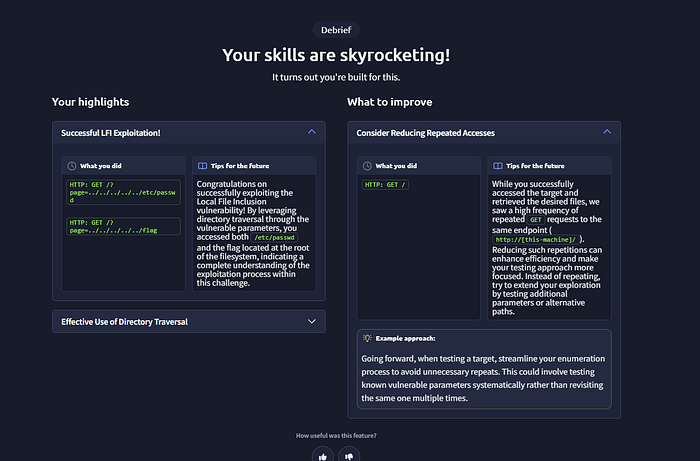
This is TryHackMe explaining it out as well: