

Hi, fellas
In my previous blog i have gone through subdomain and port discovery. In case if you missed it i have attached the link below the cute welcoming cat make use of it
Also for my broke friends click here to read the full blog

After finding subdomains and open ports, the next big step in bug bounty is content discovery.
Most real-world bugs don't sit on the homepage — they hide inside forgotten directories, unlinked endpoints, old backups, and admin panels that were never meant to be public.
In this v3.0 guide, we'll cover three powerful tools used for content discovery: Gobuster, Feroxbuster, and Katana — and how each one helps you uncover hidden attack surface ethically and efficiently.
Content discovery is about finding hidden or unlinked resources like:
/admin/api/backup.zip/old//debug- forgotten panels and files
These are often the places where real vulnerabilities hide.

1) Gobuster (Bruteforce Discovery)
Gobuster is a Go-based tool mainly used for directory and file brute forcing.
Why it's useful:
- Fast and lightweight for quick scans
- Great when you want to test common directories quickly
- Supports multiple modes (Dir, DNS, VHost)
Best for:
- Finding common paths like
/admin,/login,/uploads - Quick content discovery on small/medium targets
gobuster dir -u http://127.0.0.1:8080 -w /usr/share/wordlists/dirb/common.txt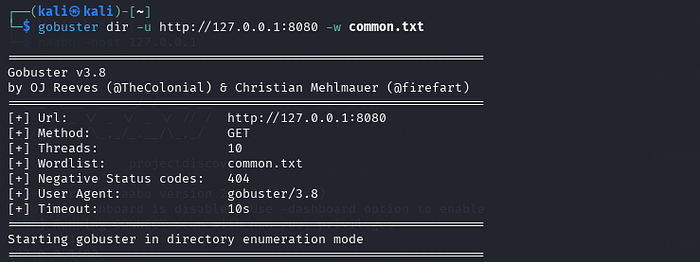
2) Feroxbuster (Recursive Discovery)
Feroxbuster is a Rust tool built for fast recursive content discovery, meaning it doesn't stop at one directory — it keeps going deeper.
Why it's useful:
- Automatically explores discovered directories (recursive)
- Finds nested content like
/assets/old/backup/ - Strong performance + clean output
Best for:
- Deep directory discovery
- Targets where you expect hidden folders and old endpoints

3) Katana (Crawler / Spidering)
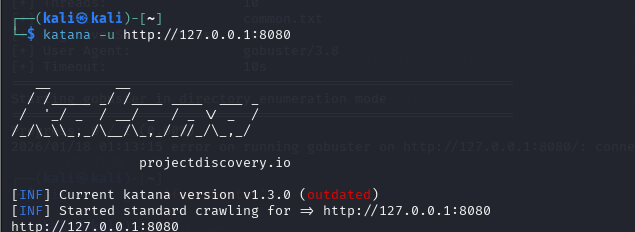
Katana is a next-gen crawler that finds URLs by crawling links, not guessing them.
Why it's useful:
- Extracts endpoints from HTML and JavaScript links
- Great for modern web apps where routes are dynamic
- Helps discover real user-flow endpoints (dashboards, APIs, panels)
Best for:
- Mapping real site structure
- Finding endpoints that brute forcing might miss
Quick Note (you can paste in your article)
- Gobuster → "Guess paths using a wordlist"
- Feroxbuster → "Guess paths + go deep recursively"
- Katana → "Crawl like a spider and collect real links"
Content discovery is where bug bounty starts getting serious — because the more you uncover, the more chances you have to find something valuable.
The best vulnerabilities often live in the endpoints nobody remembers exist.

that's all for this blog catch you later on next one