

Image source: on Unsplash
Introduction
The fastest way to grow in cybersecurity is exposure.
While in-house Security Operations Centers (SOCs) offer stability, outsourced SOCs also known as Managed Security Service Providers (MSSPs) provide something even more valuable for aspiring analysts: diverse, hands-on experience. In today's evolving threat landscape, learning speed and practical exposure play a critical role in building strong defensive skills.
Exposure to Multiple Security Tools
Analysts working in outsourced SOC environments interact with a wide range of security tools. These may include Security Information and Event Management (SIEM) platforms, Endpoint Detection and Response (EDR) solutions, threat intelligence systems, and monitoring dashboards. Unlike in-house SOCs where tools are often standardized, MSSP environments require analysts to quickly adapt to different technologies. This constant exposure accelerates technical confidence and tool proficiency.
Diverse Cybersecurity Incidents
Outsourced SOC analysts support multiple clients across various industries such as finance, healthcare, government, and technology. As a result, analysts encounter a broader range of cybersecurity incidents, including phishing attacks, malware infections, privilege escalation attempts, and network intrusions.Exposure to diverse use cases strengthens analytical thinking and improves incident response capabilities at a faster pace.
Faster Skill Development
Repetition and variety are essential for mastering SOC operations.
In MSSP environments, analysts handle alerts from different network infrastructures daily. This continuous exposure helps develop pattern recognition, threat analysis skills, and faster decision-making abilities. Over time, analysts learn not only how to respond to alerts but also how to think proactively like defenders.
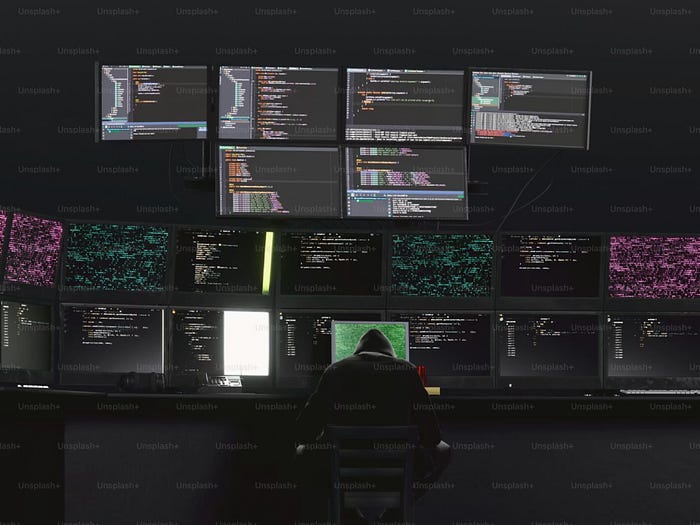
Image source: on Unsplash
Real-World Problem Solving
Outsourced SOCs provide practical experience that goes beyond theoretical learning.
Analysts gain hands-on exposure to log investigation, network traffic analysis, alert triage, and incident escalation processes. Working with real security events builds confidence and prepares aspiring professionals for real-world cybersecurity challenges.
Personal Reflection
As an aspiring cybersecurity analyst, I have come to understand that hands-on exposure plays a vital role in building both technical depth and professional confidence.
Learning in environments that present diverse challenges helps transform theoretical knowledge into practical cybersecurity skills.
Conclusion
Outsourced SOCs do more than monitor systemsthey accelerate learning, build adaptability, and prepare analysts for real-world cyber defense. For anyone starting a career in cybersecurity, exposure may be one of the most powerful teachers.