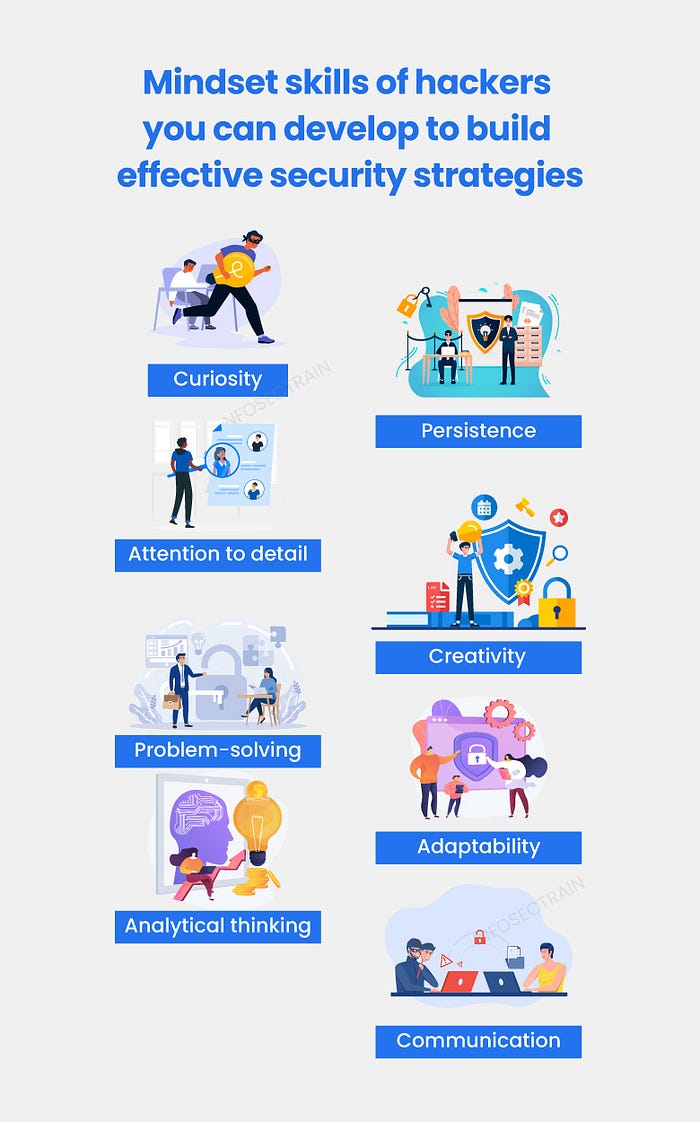
When I first transitioned from full-stack development into the world of cybersecurity, I was convinced that expertise was measured by the size of my toolkit. I spent my days — and many nights — deep-diving into the industry standards: Burp Suite, Nmap, and OWASP ZAP.
I was busy, I was running scripts, and I was generating 50-page reports. But looking back, I realized I was missing the most critical element of the craft: The Mindset.
The Illusion of Productivity
It is a common pitfall in our industry. You run an automated scan, it flags a "High" severity vulnerability, and you copy-paste it into a report. You feel productive, but you are actually just an operator.
During my early days, I was guilty of:
- Blind Trust: I trusted automated scan results without questioning the underlying logic.
- Missing the Path: I missed complex attack paths that required human intuition rather than just automated scripts.
- Checklist Security: I treated security like a simple checklist instead of the high-stakes chess match it actually is.
I could find "issues," but I couldn't confidently answer the one question that actually matters: "Will this vulnerability actually survive a real-world attack?".
The Pivot: Asking "Why" instead of "What"
The turning point in my career was a fundamental shift in perspective. I stopped asking, "Which tool should I use?" and started asking, "What is the attacker's objective at this specific endpoint?".
When you adopt an Adversarial Mindset, the tools don't change, but your relationship with them does:
- Burp Suite: It's no longer just a proxy — it's a lens used to manipulate application reality.
- Nmap: It's not just a port scanner — it's a way to map an organization's trust boundaries.
- OWASP ZAP: It's not just for automation — it's a signal-to-noise filter to help focus on what matters.
The Definitive Line
The tools stayed the same; my thinking evolved. That is the definitive line between Running Tools and Practicing Security.
Whether you are building systems or breaking them, remember that tools are just an extension of your intent. They provide output, but they don't provide understanding.
In my upcoming posts, I'll be breaking down exactly what I look for when navigating a system from the outside in. It's time to move beyond tool usage and step into the attacker's mindset.
Build. Break. Secure. 🚀