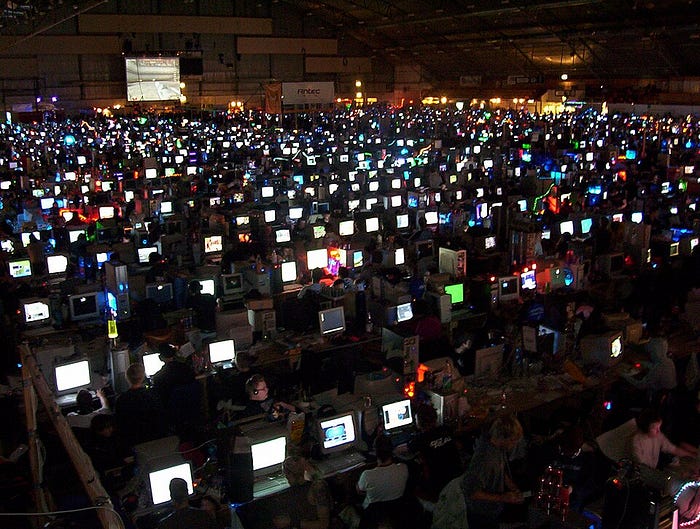

In my free time, I'm currently developing my first CTF for our upcoming CTF LAN parties, where I'll be applying my defensive methodology, Protocol Rotation, for the first time.
Recon has never been this challenging: imagine you're running nmap against a target machine, start trying to gain initial access…and 15 minutes later, the web application is already on a different port, has changed its exposed stack and is using a completely different protocol.
NO ATTACK SURFACES?
The target refuses to stay still. Every 10–15 minutes, its exposed services rotate across ports, protocols, and implementations. Some windows reveal real vulnerabilities, and others expose decoys, hardened variants or dead ends. Your job is not only to find the flaw, but to find it before the target changes shape again.
Protocol Rotation CTF mode is gonna make reconnaissance a time-sensitive challenge. No more one-time pentesting checklists. Now the target machine will be something like a living organism.
Doing so, services do not remain static: ports, protocols, banners, server implementations, and exposed attack surfaces rotate according to a schedule or trigger. Players must continuously rediscover the target, track service movement, correlate changes, and exploit vulnerabilities within limited windows before the environment shifts again.
That is going to be much more dynamic, chaotic and much closer to real defensive pressure.
Essentially, my methodology is designed to prevent hackers from even conducting effective recon, or to make it almost useless. Players is going to revalidate their assumptions every single time. Sounds good, doesn't it?
So feel free to develop CTFs, labs or defensive systems using this methodology.
I hope you found this material useful.
Subscribe to my youtube channel @securesofar if you want to learn more about cybersecurity and cybernetics. I am going to cover a lot of conceptual things there.
Stay Secure!