
Introduction
Secure coding is a foundational element of application security. Developers play a critical role in preventing vulnerabilities by writing code that minimizes the risk of exploitation.
Understanding Secure Coding
Secure coding involves implementing practices that prevent common vulnerabilities such as injection attacks, authentication flaws, and data exposure. It ensures that applications are resilient against cyber threats from the development stage.
Common Vulnerabilities in Applications
Developers must address risks such as SQL injection, cross-site scripting (XSS), and insecure data handling. These vulnerabilities can lead to data breaches and system compromise if not mitigated effectively.
Best Practices for Secure Development
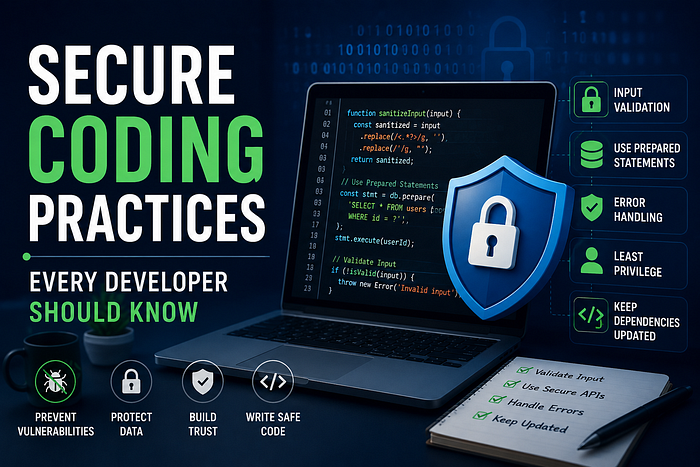
Key practices include input validation, secure authentication mechanisms, encryption of sensitive data, and regular code reviews. Following industry standards helps ensure robust application security.
Enhancing Skills with Practical Learning
Developers can strengthen their secure coding expertise through CodeRed Pro short courses, which offer hands-on training and real-world scenarios for building secure applications.
Conclusion
Secure coding is essential for developing reliable and safe software. By following best practices, developers can significantly reduce vulnerabilities and enhance overall cybersecurity.