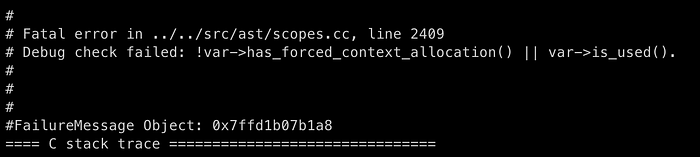

In May 2024, Google addressed a significant security vulnerability in its Chrome browser, identified as CVE-2024–5274. This flaw, rooted in the V8 JavaScript engine, was actively exploited in the wild, underscoring the urgency for users to update their browsers promptly
What is CVE-2024–5274?
CVE-2024–5274 is a type confusion vulnerability in Chrome's V8 engine, which handles JavaScript execution. This issue arises when the engine misinterprets the type of an object, leading to unpredictable behavior. Specifically, attackers could craft malicious HTML pages that, when rendered by vulnerable Chrome versions, allow for arbitrary code execution within the browser's sandbox environment.
Severity and Impact
The vulnerability was rated as High severity by Google's Chromium team. The National Vulnerability Database (NVD) assigned it a CVSS v3.1 score of 8.3, indicating a significant risk . Notably, the U.S. Cybersecurity and Infrastructure Security Agency (CISA) included CVE-2024–5274 in its Known Exploited Vulnerabilities Catalog, emphasizing its active exploitation and the necessity for immediate remediation.
Affected Versions
All Chrome versions prior to 125.0.6422.112 are susceptible to this vulnerability. This includes users on Windows, macOS, and Linux platforms .
Mitigation Steps
To safeguard against CVE-2024–5274:
Update Chrome: Navigate to Help > About Google Chrome to check for updates. Ensure you're running version 125.0.6422.112 or later.
Enable Safe Browsing: Activate Chrome's Safe Browsing feature to receive alerts about potentially dangerous
Regularly Restart Chrome: Some updates require a browser restart to take effect.
Consider Security Extensions: Utilize reputable security extensions to enhance browser protection.
For organizations, it's crucial to ensure that all endpoints have updated browsers. Tools like the Python script provided by Vicarius can assist in detecting and updating vulnerable Chrome installations
Broader Implications
This vulnerability highlights the importance of timely software updates. Given that V8 is used in other Chromium-based browsers like Microsoft Edge and Opera, users of these browsers should also verify and apply necessary updates.
Conclusion
CVE-2024–5274 serves as a stark reminder of the ever-evolving cybersecurity landscape. Regularly updating software and staying informed about emerging threats are pivotal steps in maintaining digital security.
Stay digitally safe and ensure your browser is up to date.