Why would a Christian minister promote physical exercises?
In India, Swami Yogananda's first school focused on boys and single young men. The Hindu group shared a similar cultural history and was receptive to the concepts of yoga and meditation which the Swamis (monks) taught in an organized structure. In most ways, Yogananda's school for boys in India looked much like schools run by Roman Catholic Jesuits in the West or other monastic run schools around the world, including Buddhist run schools in the East.
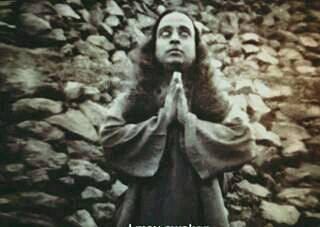
During their formative years, children are easily influenced and led. Pre-teens and teenagers are like sponges who absorb whatever their teachers share as the absolute truth. When education becomes disassociated from family and community, young people reject the disciplinarians of their youth. Egotism takes precedence and the educated teen "knows better" than the parent because they learned from the expert teacher.
Upon his arrival in Boston, it became clear that Yogananda would be teaching adults not boys. Adults who were interested in learning from Yogananda had not only questioned how they were raised but also the education that they were given both in school and in church.
Overcoming Obstacles
The potential field of students who questioned everything was growing in the USA in the 1920s. Adult students had limitations that needed to be overcome.
First, the age of the curious student. In the decades since Yogananda taught, science has shown that brain development and the related neural connection growth slows significantly around the age of twenty-five. Yogananda was aware of this limitation. Without scientific support to point to, Yogananda chided his disciples not to be psychological antiques. Even a hundred years ago, antique furniture was perceived to be largely useless and delicate. Minds frozen in the assumptions made by the age of twenty-five are like zombie brains, functioning but no longer capable of personal growth and continued development. Today, people like to claim that they are "life long" learners in order to suggest that they are not stuck in one mode of thought.
Second, even if a student believes they are not set in their ways, adults are resistant to new ideas. The common proverb of "Fool me once, shame on me. Fool me twice, shame on you" was well-known. Over the age of twenty-five, nearly all had been fooled by others multiple times. Children believed everything their parents told them, then when they became teens they believed everything they learned in school or church. If they reached a point where they rejected or compromised both of those worldviews, they proceeded with greater caution. Yogananda was confronted by students who required more than idealistic words and nebulous concepts. Adult students needed proof.
In the first version of "Autobiography of a Yogi", Yogananda noted this issue up front. On the title page, he included a quote from Christ Jesus. "Except ye see signs and wonders, ye will not believe." John 4:48 KJV
Yogananda experimented with everything from magic tricks and entertaining side kicks in the age of Vaudeville performers to draw curious minds closer. Even the disillusioned, who had left their church, carried the refuse of a passive Christianity in their cluttered minds. Yogananda had to break through this barrier to reopen minds that had been closed by age, experience and wrong education.
Third, Swami Yogananda embarked on educating the West on concepts for which no English language equivalents existed. Swami, avatar, yoga, prana, dharana, dhyana, samadhi and countless other words have no direct English equivalent. Even today, these words are relatively unknown and often misused by Western and Eastern teachers.
Set in harmful habits of thinking, beyond the age when the mind is easily molded, and without a vocabulary to discuss spiritual concepts in depth, Swami Yogananda addressed a basic human need. He knew that if students received a material benefit from his training, then their minds would become more receptive to adopt new ways of thinking.
Nearly everyone he met was tired. Adults needed more energy in their daily lives. Vibrant and consistent health was pursued. Yogananda realized that the yogic exercises he taught to the boys in India could be modified for adults. Add a little marketing flair — a grand promise — and "Yogoda, Tissue-Will System of Physical Perfection" was born.
Practice these exercises and the student would receive the signs and wonders of alignment to Spirit. If the student didn't receive noticeable benefits, no harm was done. If "miracles" occurred, then those students were ready to progress in their relationship to God, Christ and their Preceptor.
The Yogoda teachings were and continue to be the key that most need to advance from a passive theology to an active theology. The passive theology of the Protestant movement is dying because it has over emphasized the intellect which can never deliver spiritual awareness. The intellect provides knowledge anchored in the physical brain. The intellect is a tool to be used for materialistic concerns. The intellect cannot replace the feelings generated by the heart. The intellect can merely support but cannot give birth to a heart-felt relationship.
If the intellect was required to foster a relationship with God, the uneducated masses would have little hope.
Intuition is required. Intuition provides wisdom which is spiritual in nature. It is felt in the heart, and may inform but does not reside in the brain. The heart builds the relationship with God. The intuition of heart can present as wise words spoken from a child's lips and life-changing insights from an elder.
Swami Yogananda met his students where they lived — mired in the world of materialism and intellectual knowledge. The Yogoda exercises practiced correctly begin to break the bonds to physical things and external experiences. Yogoda teaches sincere individuals how to reveal the 'signs and wonders' present and active within their own lives.
But don't take my word for it. Practice the "Tissue-Will System of Physical Perfection" and see the signs and wonders for yourself.