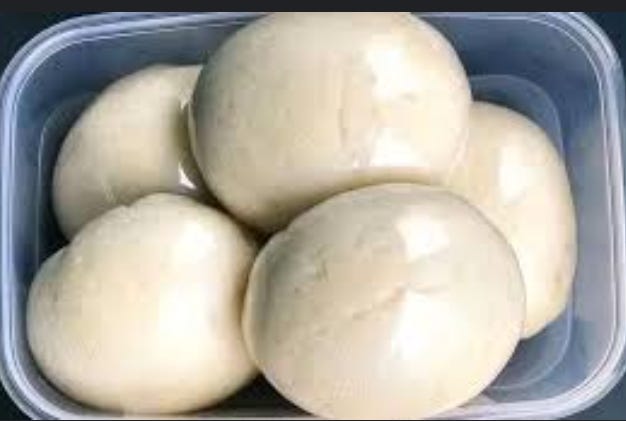

Pounded Yam Gone Awry: Lessons from a Kitchen Fail
Subtitle: Cooking Mishaps: The Time I Tried to Master Pounded Yam—and Learned Valuable Cooking Lessons Instead
We all know that cooking can be an adventure—sometimes it results in a mouth-watering success, and other times… well, it can be an absolute disaster. Everyone has their own story of a cooking fail, and mine just happens to involve one of Nigeria's most beloved dishes: pounded yam. As a staple in Nigerian cuisine, pounded yam is known for its smooth texture and delicious pairing with soups like egusi and efo riro. But as simple as it may seem, my attempt to make this iconic dish turned into a hilarious and unforgettable cooking fail. It all started on a day when I was feeling particularly adventurous in the kitchen. I had tasted pounded yam many times before and thought, "How hard could it be to make?" The process seemed straightforward enough: boil the yams, pound them until smooth, and serve with your favorite soup. But little did I know that making the perfect pounded yam requires skill, patience, and strength—all of which I underestimated. The first step was easy enough. I peeled the yams, chopped them into large pieces, and set them to boil in a pot of water. As the yams softened, I felt confident that this would be a simple task. The kitchen was filled with the aroma of boiling yams, and I was already imagining how great my pounded yam would turn out. But this is where things began to go downhill. Traditionally, pounded yam is made by physically pounding boiled yam pieces in a large mortar and pestle until they form a smooth, stretchy dough-like consistency. I didn't have a traditional mortar and pestle, so I decided to use the modern method—turning to a food processor. I figured it would save time and effort, but I was sorely mistaken. I tossed the boiled yams into the food processor, expecting smooth, perfect pounded yam to emerge within minutes. But instead, I ended up with a gooey, sticky mess that looked nothing like the fluffy, stretchy pounded yam I was aiming for. The texture was completely wrong—too watery, too lumpy, and definitely not edible. Not one to give up easily, I decided to try and salvage the situation. I thought, "Maybe I just need to let it sit for a bit and cool down. Maybe the texture will improve." Spoiler alert: it didn't. No matter how long I waited, the pounded yam remained a soupy, sticky disaster. Desperate to fix it, I tried adding more yam pieces to thicken the consistency, but that only made it worse. At this point, I had to admit defeat. The pounded yam was unsalvageable. It didn't resemble anything close to the delicious, smooth dish I had hoped to create. As much as my pounded yam disaster was a culinary failure, it was also a valuable learning experience. Here are a few lessons I took away from the experience: 1. Respect Traditional Methods: Pounded yam is traditionally made with a mortar and pestle for a reason. The process of physically pounding the yam allows you to achieve the perfect texture—something that a food processor simply can't replicate. Sometimes, it's better to stick with traditional methods rather than looking for shortcuts. 2. Cooking Takes Patience and Skill: While cooking may seem straightforward, there are many dishes that require practice and patience to perfect. Pounded yam is one of those dishes. It's not as simple as boiling yams and mashing them together; it takes skill and the right technique to get it just right. 3. Not Every Dish Will Turn Out Perfectly—And That's Okay: Cooking is about experimentation, and not every dish will turn out perfectly. Mistakes are a part of the process, and even the most seasoned cooks have their fair share of kitchen disasters. The important thing is to learn from those mistakes and not be afraid to try again. Personal Reflection Looking back, my pounded yam disaster was both frustrating and hilarious. While I didn't achieve the perfect pounded yam that day, I did gain a deeper appreciation for the skill and effort that goes into making it. I now have a newfound respect for those who master the art of pounding yam by hand. My epic cooking fail reminded me that the journey is just as important as the result. The lessons I learned that day have made me a better and more patient cook. Cooking fails are a natural part of the culinary journey, and they offer us valuable lessons along the way. Whether you're attempting a traditional dish like pounded yam or experimenting with a new recipe, the important thing is to embrace the process and learn from the experience. My pounded yam fail may have been epic, but it also taught me to respect the traditions of food preparation and to never shy away from trying again.
Closing Reflection: Cooking, like life, is full of unexpected twists, successes, and failures. While we may not always get it right the first time, each mistake offers a valuable lesson in patience, resilience, and the importance of respecting tradition. My pounded yam disaster taught me that the journey to perfecting a dish is often more important than the final product. It's in these moments of failure that we learn the most—about food, about ourselves, and about the art of persistence. Every cooking fail is a step toward improvement, and I'll carry those lessons with me in every kitchen endeavor moving forward. Call to Action: Don't let cooking failures discourage you—keep going, and you might discover something unexpectedly amazing. Let's embrace the joy of learning from our kitchen mishaps and celebrate the progress we make along the way!
"In the kitchen, as in life, failure is not the end—it's the beginning of growth, learning, and mastering the art of persistence." - Masibwrites