


The traditional developer career isn't just changing, it's dying very fast!
After analyzing industry data and testing various career approaches over the past two years,
I've discovered something most developers refuse to acknowledge: the role we've known for decades is systematically being dismantled.
Let me share what the numbers reveal.
The hard numbers everyone's ignoring

The data paints a stark picture that contradicts what most career advisors are telling you.
Software development job postings are at their lowest in five years, down more than 33% from 2020 levels.
In January, the U.S. employed fewer software developers than it did six years ago.
But here's,
What makes this different from typical economic downturns: while traditional software engineering roles declined, demand for AI research scientists grew 80%, and machine learning engineers increased 70%.
This isn't a temporary market correction.
It's a fundamental shift in how software gets built.
AI has already taken your job
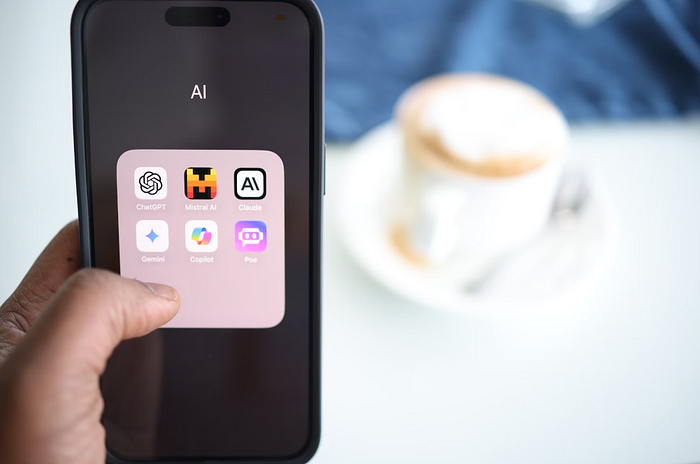
I've personally tested GitHub Copilot, Cursor, Windsurf, Claude, ChatGPT for coding, and several other AI tools over the past 18 months.
The productivity gains are impossible to ignore.
Research shows developers using AI pair programming tools complete tasks 55.8% faster than those working without assistance.
But the real insight isn't about speed — it's about what this means for employment.
If one developer can do the work of nearly two developers, companies need fewer developers.
It's that simple.
87% of developers report that AI tools help them preserve mental effort during repetitive tasks.
The repetitive tasks that used to employ thousands of junior developers are now handled by AI.
New AI roles and industry shift

Through conversations with other developers who've made successful transitions,
I've identified four distinct paths emerging:
AI-Implementation Specialist
These developers embrace AI tools as productivity multipliers.
They focus on complex problem-solving while using AI for routine implementation.
I watched a former colleague reduce a typical 3-week project to 10 days using AI assistance.
Indie Product Builder
Instead of building software for employers, these developers create software for customers.
The barriers to launching products have never been lower.
High-Value Consultant
These professionals transition from writing code to solving business problems through technology.
They command premium rates because they understand both technical implementation and business strategy.
Content Creator and Educator
Developers who create educational content are building substantial income streams.
Developers are transitioning to making money through courses, newsletters, and consulting, all from sharing their expertise online.
Skills that matter now

After analyzing successful transitions, certain patterns emerge:
- Business Context Understanding: The ability to translate business problems into technical solutions is more valuable than pure coding skills.
- AI Tool Mastery Developers who master AI-assisted workflows aren't being replaced; they're replacing developers who don't adapt.
- Specialized Expertise Generalist developers face the most competition. Specialists maintain higher demand and better compensation.
- Communication and Client Management. Whether freelancing or consulting, the ability to communicate effectively with non-technical.
Companies no longer want employees; they want results.
If you can deliver those results without the overhead of full-time employment, you win. If you can't adapt to AI-assisted workflows and specialized problem-solving, you risk obsolescence.
What I'm doing about it

Based on this research, I've restructured my career around three principles:
- Using AI as an amplifier: AI tools to handle routine tasks, I can focus on high-value problem-solving.
- Build multiple income streams: Freelancing, consulting, and digital products provide stability that traditional employment no longer offers.
- Focus on solving business problems, not just writing code: Technical skills remain important, but business impact determines compensation.
The end of the traditional software engineer role isn't necessarily bad news.
For those who adapt, it represents an opportunity to build more flexible, potentially more rewarding careers.
Will you adapt before the market forces the change on you?

This story is published on Generative AI. Connect with us on LinkedIn.
Subscribe to our newsletter and YouTube channel to stay updated with the latest news and updates on generative AI. Let's shape the future of AI together!
