
In the modern era, athletes are no longer just sports heroes confined to stadiums, courts, or racetracks. They have seamlessly transitioned into cultural powerhouses, setting trends, influencing global style, and reshaping the fashion industry. From exclusive brand partnerships and runway debuts to launching their own fashion labels, sports icons have become just as relevant in the fashion world as they are in their respective sports. But why has this transformation happened? What makes athletes such powerful figures in the fashion industry? And what does their growing presence mean for the future of luxury brands and streetwear?
This article takes a deep dive into the evolving relationship between sports and fashion, exploring its history, the impact of social media, the rise of athlete-owned brands, and what the future holds for fashion-conscious athletes.
The Evolution of Athletes as Fashion Icons
Historically, athletes were admired for their physical prowess, competitive spirit, and dedication to their sport. However, in recent decades, their influence has expanded far beyond sports arenas. With the rise of social media, global marketing, and the shift in consumer preferences towards athleisure and luxury sportswear, athletes have become some of the most important figures in the fashion world.
While sports stars have had an impact on fashion for decades, from Muhammad Ali's elegant suits to Michael Jordan's Air Jordans, today's athletes are more involved in the industry than ever before. They're not just wearing designer brands; they're shaping trends, collaborating with luxury houses, and even creating their own labels.
The Social Media Era: Athletes as Global Style Leaders
Social media has revolutionized the way athletes engage with the world. Unlike in the past, when sports stars were primarily seen through television broadcasts or magazine covers, today's athletes have direct access to millions of fans through platforms like Instagram, TikTok, and Twitter.
This instant and unfiltered connection allows them to showcase their personal style, endorse brands, and even dictate fashion trends. Unlike celebrities or influencers who rely on stylists for every public appearance, many athletes curate their own wardrobes, making their style appear more authentic and aspirational.
Some of the most influential athletes in fashion today include:
• Cristiano Ronaldo – With over 615 million Instagram followers, Ronaldo has built a personal fashion empire through his CR7 brand, spanning underwear, denim, and fragrances.
• LeBron James – Known for his pre-game outfits and investment in streetwear, LeBron has collaborated with Nike and even invested in brands like Thom Browne.
• Naomi Osaka – The tennis champion has challenged traditional athlete fashion with her bold and unique style, working with brands like Louis Vuitton, Levi's, and Nike.
• Lewis Hamilton – The Formula 1 star's collaboration with Tommy Hilfiger has bridged the gap between motorsport and luxury fashion.
Athletes as the New Supermodels
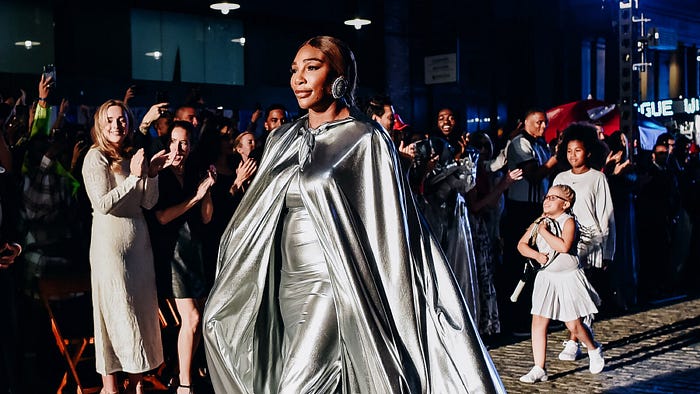
Luxury fashion brands are increasingly replacing traditional models with athletes as their brand ambassadors. This shift is not just about appearance but about authenticity, dedication, and cultural relevance – qualities that modern consumers admire.
Some of the most notable athlete-brand partnerships include:
• Kylian Mbappé x Dior – The French football star has become the face of Dior's Sauvage fragrance and ready-to-wear collections.
• Serena Williams x Off-White & Nike – The tennis icon has redefined athlete fashion with her bold collaborations.
• Russell Westbrook x Honor the Gift – The NBA star launched his own streetwear brand, showcasing his influence beyond basketball.
The appeal of athletes to fashion brands lies in their ability to inspire. Their journeys of struggle, perseverance, and triumph bring compelling narratives that brands want to associate with. Unlike actors or influencers, athletes represent something real: hard work, discipline, and success.
Defining Fashion Moments in Sports History
Athletes have shaped fashion for decades, but some moments stand out as turning points in the intersection of sports and style.
1. Michael Jordan & The Birth of Sneaker Culture (1985-Present)
The most significant athlete-fashion crossover in history is undoubtedly Michael Jordan's partnership with Nike. The launch of the Air Jordan 1 in 1985 revolutionized sneaker culture, turning sportswear into a global fashion statement.
• Impact: Sneakers, once purely functional, became luxury fashion items and cultural symbols.
2. David Beckham: The Original Athlete Fashion Icon (2000s)
Before the rise of social media, David Beckham was one of the first athletes to fully embrace high fashion. His Armani underwear campaign, partnerships with H&M and Dior, and front-row presence at fashion weeks set the standard for modern athlete fashion.
• Legacy: Beckham proved that an athlete could be as influential in fashion as they are in sports.
3. Lewis Hamilton & High-Fashion Racing
Formula 1 is one of the fastest-growing markets for fashion collaborations, and Lewis Hamilton has played a key role in this evolution. His Tommy Hilfiger x Lewis Hamilton collection introduced a new wave of motorsport-inspired fashion.
• Outcome: Motorsport aesthetics are now influencing streetwear and luxury brands.
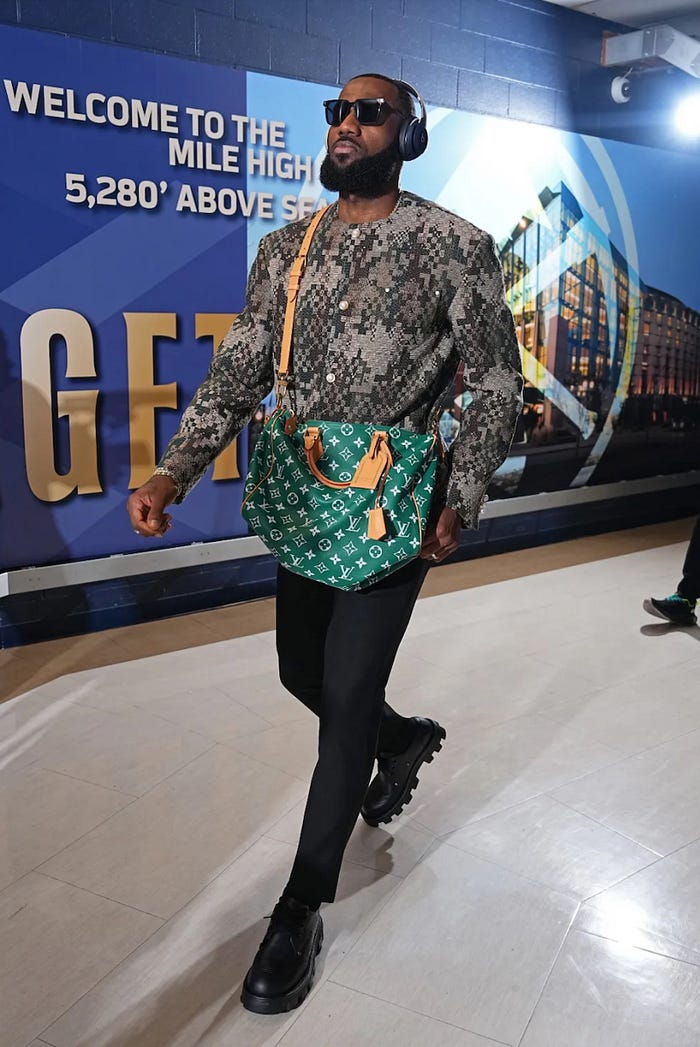
4. NBA Tunnel Walks: The New Fashion Runway
NBA players have turned pre-game entrances into fashion moments. Athletes like LeBron James, Russell Westbrook, and Shai Gilgeous-Alexander use the tunnel as their personal runway, showcasing designer looks that gain millions of views online.
• Why it matters: Athletes no longer need fashion magazines – their outfits go viral instantly.
Why Luxury Brands Are Investing in Athletes
Athletes Represent Performance & Authenticity
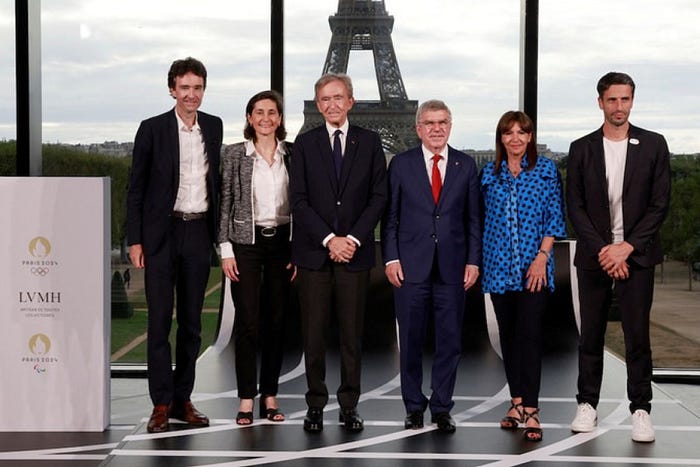
Luxury fashion has shifted from exclusivity to authenticity. Athletes symbolize dedication, resilience, and excellence, making them the ideal brand ambassadors.
• Example: Roger Federer's $300M deal with Uniqlo wasn't just about tennis – it was about lifestyle branding.
The Athleisure Revolution
The rise of athleisure – the blend of sportswear and luxury – has blurred the lines between activewear and high fashion.
• Nike x Off-White reinvented sneaker culture.
• Puma x Rihanna bridged the gap between sportswear and streetwear.
Expanding Global Markets
Athletes have global appeal, making them the perfect faces for brands looking to expand into new markets.
• Messi, Mbappé, and Ronaldo are household names across Europe, Asia, and the U.S..
• Nike and Adidas use athletes to connect with Gen Z and millennial consumers worldwide.
The Future of Athlete-Driven Fashion
1. Athlete-Owned Fashion Brands
More athletes will launch their own labels, moving beyond endorsements into full ownership.
• Russell Westbrook – Honor the Gift (streetwear)
• Venus Williams – EleVen (performance fashion)
2. Sustainable & Digital Fashion
Athletes will drive the future of eco-friendly sportswear and NFT-based fashion collections.
• Adidas & Stella McCartney lead in sustainability.
• LeBron James is exploring digital fashion collaborations.
3. Pre-Game Fashion Will Become Bigger
The NBA tunnel walk phenomenon is spreading to football, Formula 1, and beyond.
• Expect more exclusive designer-athlete collaborations.
Conclusion: Athletes Are the Future of Fashion
The fashion industry is entering a new era where athletes are not just models or influencers – they are designers, entrepreneurs, and cultural tastemakers.
From courts to runways, they are shaping trends, breaking boundaries, and redefining luxury fashion for the next generation.
Who will be the next big athlete in fashion? Only time will tell – but one thing is certain: sports and fashion will never be the same again.