

Understand your spiritual and emotional needs. Consider whether your extra weight is tied to emotional factors that need attention. Also, think about your favorite foods you want to enjoy occasionally without guilt.
In our world filled with quick-fix diets, weight-loss medications, and surgical interventions, many people are searching for sustainable, natural ways to achieve and maintain a healthy weight. What are the key habits, mindset shifts, and lifestyle changes that lead to long-term success? How can individuals break free from yo-yo dieting and develop a lasting, healthy relationship with food and exercise? As a part of this series we had the pleasure of interviewing Wade T. Lightheart.
Wade Lightheart is a leading expert in sustainable health practices and a co-founder of BIOptimizers, a company specializing in health optimization. With a background in competitive bodybuilding and extensive experience in the fitness and wellness industry, Wade has spent decades studying how to achieve long-term health, avoid quick-fix solutions, and maintain a healthy relationship with food and exercise.
In an era filled with fad diets, weight-loss medications, and surgical interventions, Wade's focus is on helping individuals break free from the cycle of yo-yo dieting by promoting healthy lifestyle changes that support digestion, metabolism, and overall well-being. Through his work at BIOptimizers, Wade has created a range of products that optimize digestion and nutrient absorption — key factors in long-term weight management. He is dedicated to educating others about the importance of a balanced, sustainable approach to health, and his insights are shaped by years of personal experience and professional research in gut health and holistic nutrition.
Thank you so much for joining us in this interview series! Before we dive into the main focus of our interview, our readers would love to "get to know you" a bit better. Can you tell us a bit about your childhood backstory?
I grew up in rural Canada in a blue-collar family. I played all the sports as a kid and never gave any thought to diet. When I was 15, my sister, who was 4 years older, was diagnosed with Cancer. I watched her go through the medical model before she died at the age of 22. That tragedy taught me a few big lessons in life. Number 1, your health isn't a guarantee, neither is your life.
At the start of her illness, she gave me a Muscle and Fitness book with a famous bodybuilder on the cover and a pretty girl. I thought — that's what I want! — In retrospect, I thought maybe if I had all those muscles, I would be strong and not get sick. Although it was perhaps a naive perception, it got me thinking about my diet and a structured exercise routine. So I bought a weight set, set up a very crude gym in my barn, and began a discipline I practice to this day.
What or who inspired you to pursue your career? We'd love to hear the story.
I would read all the bodybuilding and fitness magazines. In those days, we had no internet, let alone computers, social media, or even a decent library from which to get information.
I did get a copy of Arnold Schwarzenegger's Education of a Bodybuilder and his Encyclopedia of Bodybuilding. At the time, he was the biggest star in the world, and he seemed to be living a surreal life. In his books, he stated you could achieve anything in life with three principles: Hard work, self-discipline, and a positive attitude.
Everyone I knew worked hard, but no one talked about self-discipline and a positive attitude. I made up my mind to follow these principles in my own life and visualized myself competing at the Mr. Universe and Mr. Olympia as he did. I also imagined moving to California, training at Gold's Gym, and owning a supplement company that helped millions worldwide.
I'm delighted that vision worked out, and all those things came true, although it took much longer than I thought. Today, I live that life, and Arnold, now in his late 70s, is still a regular at Gold's, where I train, which is pretty remarkable.
It has been said that our mistakes can be our greatest teachers. Can you share a story about the funniest mistake you made when you were first starting? Can you tell us what lesson you learned from that?
I made plenty of mistakes, like force-feeding myself in college — waking up in the middle of the night to make high-calorie protein shakes, much to the annoyance of my dormmates. I had terrible genetics for building muscle and assumed that if I trained hard enough, all the weight I gained would turn into muscle. Instead, most of it became fat. After a year of this, I finally realized you can't exercise your way out of a poor diet.
For the benefit of our readers, can you briefly let us know why you are an authority in the wellness field?
As I mentioned before, I had lousy genetics and wasn't naturally gifted at sports or exercise — but I loved them. I started with little to no information and came from extremely humble beginnings, yet I never let those limitations hold me back. I've worked in every facet of the fitness and nutrition industry, studied exercise physiology at university, and won 17 titles across nine different weight categories. I've trained thousands of clients from all walks of life, built an Inc. 5000 nutrition supplement company, and explored nearly every diet and exercise strategy for looking and feeling your best.
Over the past 35 years, I've had the privilege of being coached by, working with, and interviewing some of the world's top experts. I'm also one of the few people to have competed in multiple world championships and, at 50, competed as a professional in the PABBA Natural Mr. Olympia. Just six months later, I shifted to endurance training and ran my first marathon in Vancouver, finishing in four hours. I've authored multiple books on diet and exercise and have been a guest expert on hundreds of podcasts and stages worldwide.
OK, thank you. Let's now shift to the core focus of our interview about achieving a healthy body weight. Let's begin with a basic definition of terms so that all of us are on the same page. How do you define a "Healthy Body Weight"?
I don't believe in a single definition of a "healthy body weight." Instead, it's about achieving an ideal body composition. Bone density and muscle mass vary from person to person, and both are denser than fat. Generally, having more lean mass is beneficial up to a certain point.
Your ideal body weight also depends on your frame. A good guideline is aiming for a fat-free mass index (FFMI) of 20–27 for men and 18–22 for women. These ranges typically correspond to body fat percentages of 8–18% for men and 11–22% for women.
This might be intuitive to you, but it will be instructive to expressly articulate this. Can you please share a few reasons why being over your healthy body weight can be harmful to your health?
Excess body fat, especially the visceral fat around your organs, can be inflammatory. Research has linked it to insulin resistance, high blood pressure, heart disease, sleep apnea, physical pain, fatty liver, fertility problems, and more. Not to mention, you'd also fare worse with things like infections and car accidents. It can also affect your confidence, self-esteem, and general happiness.
In contrast, can you help articulate a few examples of how a person who achieves and maintains a healthy body weight will feel better and perform better in many areas of life?
Less body fat tends to translate to better health, performance, and longevity, as long as you can keep it off. These days, a lot of unhealthy and fattening things are normal, like being constantly bombarded by food ads, empty calories, and eating 1500 calories in one sitting. When you identify these and learn to overcome them, you have a much higher odds of living a long life.
I think weight training exercise is a force multiplier as it builds muscle and keeps the metabolism revved up long after the workout. Cardio is great for brain health, but overall, it doesn't burn as many calories over the long run. Pretty much all exercise changes your hormones, brain chemistry, and boosts your overall resilience. Most successful people have exercise in their schedule, no matter how busy.
A lot of people carry their emotional weight as well. There's a clear link between the extra weight with traumas or the inability to self-regulate their emotional states. Stuck emotions and traumas are some of the heaviest and unhealthiest things you can carry around. If an underlying emotional issue is causing someone to overeat, it will be difficult to maintain weight loss because the body uses overeating as a coping mechanism for safety. I recommend exploring modalities like emotional freedom techniques (EFT) and neurofeedback to address these issues. There are quite a few clinical trials on EFT for weight loss.
If someone wanted to begin the journey to permanently lose 20 or more pounds, what would you recommend as their first step?
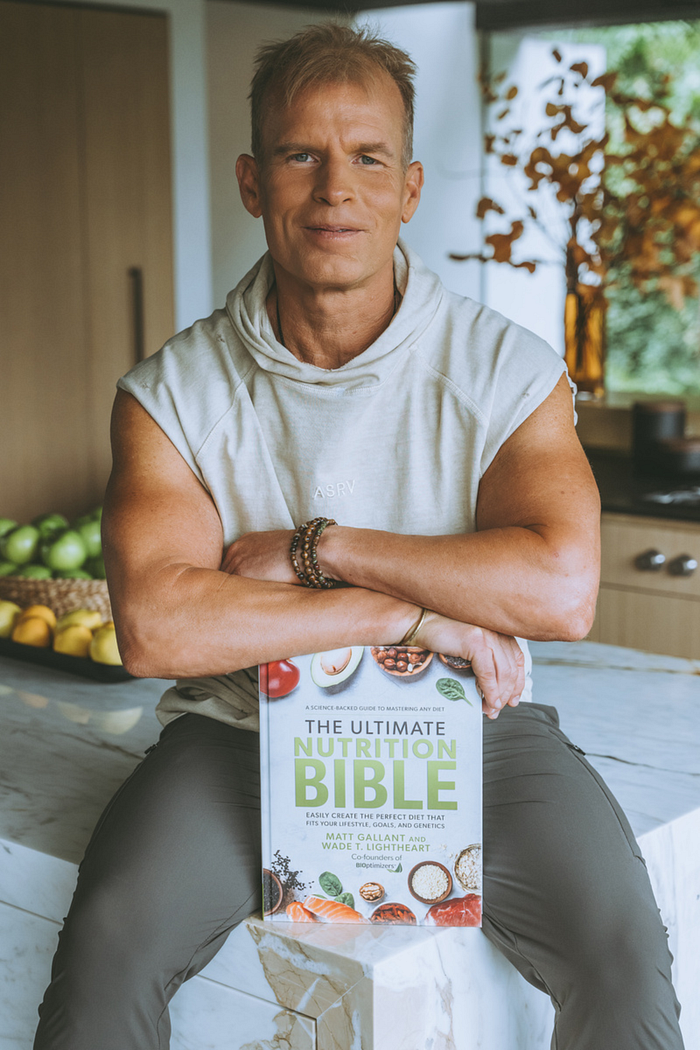
Read the Ultimate Nutrition Bible. Find a coach who can help you identify your why. Aside from knowledge and expertise, they'd have to be a trauma-informed practitioner who makes you feel safe talking about anything. A highly effective coach can give you tough love with candor but won't shame, scare, or make your body image issues worse because that stuff tends to backfire.
You want your coach to understand your individuality and that the diet that works best for you might not work for everyone else. Also, you want someone who thinks long-term, meaning using a gradual strategy you can stick to for life. One more thing: make sure your coach is fit and practices what they preach.
Many medical professionals suggest weight loss medications or surgical interventions as effective ways to achieve lasting weight loss. What is your perspective on this? Do you believe it's possible to achieve sustainable weight loss without medications or surgery?
It's a bit of a cognitive bias due to the fallacy of "lack of proof equals proof against." Money is king. If you can afford to run clinical trials, then your treatments can have proof, especially the trials that follow people for decades. This is why bariatric surgeries and semaglutide drugs are the only options that large studies have proven effective long-term. Bodybuilders and fitness competitors of every age and genetic type get in shape by practicing sound principles around diet and exercise.
While many in the medical field and the general public fell prey to studies, research papers, and new drugs that promise quick fixes, long-term success comes from consistently applying a solid diet and exercise routine. I believe that 99.9% of the population can achieve a healthy, trim, athletic body by following these practices — and don't worry, building excess muscle is unlikely for most people.
These options are just like any diet. There's a risk of weight regain and less-than-ideal weight loss if the patient doesn't follow the diet plan because it all comes down to calories. At a deeper level, it's about whether your body, mind, and spirit are getting everything it needs.
Your body is a survival and homeostatic machine. It doesn't care if you have abs to show on Instagram. It just wants to survive in equilibrium and in the laziest, most energy-conserving way possible. I don't think people deliberately get fat nowadays, but they get fat because of these survival drives — it's a way for your body to fulfill some needs. These could be physical, like nutrient deficiencies or trying to survive some toxic exposure by diluting the toxins out with more body fat. These could be emotional or spiritual, like the emotional weight I spoke about earlier. It could also have to do with hormones, genetics, inflammation, or a whole bunch of other modern-day health disruptions that could be happening to everyone.
The problem with how people normally diet is this — they think it's because you're inherently wrong or bad for eating more foods and not exercising. They think it's a discipline problem where you could go on a diet and expect your needs to go away. Some people, sadly a very tiny percentage, manage to heal themselves, come out the other end, and keep the weight off, and that's great. When that doesn't work, you go about cutting off body parts or taking medication to force your body to eat less. And it's possible that these extreme options are more effective just because the investments are higher… like if you've gone under the knife or pay thousands every month, you're more likely to succeed. Now, if knives, money, pills, or syringes don't meet your unmet needs, then they don't.
Your body wants to be healthy. It wants to thrive. The key is you want to understand and make sure it has what it needs. This is why I wrote the Ultimate Nutrition Bible with nine layers to the pyramid. At the foundation are spiritual and cultural commitments, followed by emotional and psychological needs. Then, you think about your goals and personalize calories and macros based on your nutrigenomics, gut flora, and how your body reacts to each food. To lose fat, you must be in a caloric deficit with minimal muscle mass loss. Then, in the long-term, you want to move your body fat set point and continue being vigilant to prevent fat regain. You want to work with the right practitioners to investigate the root causes, such as hormones, lifestyle causes, inflammation, and environmental exposures, that could affect your set point.
So, yes, I've helped hundreds of clients lose a lot of weight and keep it off without medications and surgeries with diet and exercise, as well as fulfilling their physical, emotional, and spiritual needs.
For individuals who prefer to lose weight permanently without medications or surgery, what kind of weight-loss program or approach would you recommend?
It would have to be a personalized approach that addresses individual needs, really listening to your body both with tests and how you feel, while putting you in a caloric deficit and minimizing muscle loss. Think long-term. The dietary changes have to be ones that you can stick with for life. In the Ultimate Nutrition Bible, I cover all aspects that could affect someone's dietary success, from spiritual and mental to things like toxicity, genetics, and chronic inflammation.
Have you worked with patients or clients who've successfully achieved permanent weight loss without the use of medications or surgery? If so, could you share a few of these inspiring success stories with our readers?
I've coached and advised thousands of people in my life, and virtually everyone who followed my instructions achieved their ideal physique. I've not recommended drugs or surgeries to any one of them. In fact, I've helped many of them avoid those modalities. I'm not against any of those choices if people want to use them, but I'm not a doctor, a medical professional, or a surgeon, and I respect what they do, but that's not my field of expertise. I see those individuals as a last resort in dire, or when someone is dealing with near-impossible conditions, however, my experience has taught me that whether an individual leverages these services, the foundations of maintaining a healthy, athletic body are based on daily habits and rituals over the course of one's life with or without these agents.
Here is our main question. What Are "5 Things You Need To Know To Lose Weight Permanently Without Drugs or Surgery"? (If possible, please share a story or example for each one)
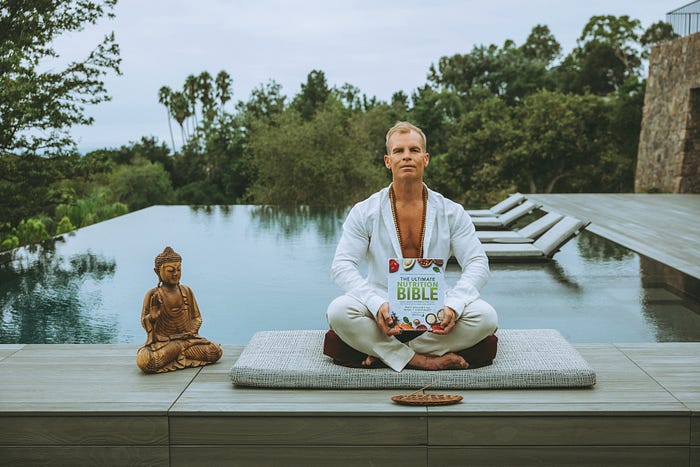
- Understand your spiritual and emotional needs. Consider whether your extra weight is tied to emotional factors that need attention. Also, think about your favorite foods you want to enjoy occasionally without guilt.
- Explore your 7 levels of WHY you're engaging in weight loss beyond just your appearance. Go beyond just appearance. For example, do you want to live to walk your daughter down the aisle? Identify your deeper motivations for staying committed.
- Are you a person who can enjoy treats and temptations in moderation from time to time? Are you someone who can enjoy treats and temptations in moderation, or do you find that indulging leads you to completely lose control? For some, enjoying a small treat once in a while doesn't derail progress, while for others, even a small indulgence can cause them to veer completely off course. My business partner, Matt Gallant, is a dopamine-driven person. He enjoys novelty and finds excitement in trying new foods, especially on weekends or when traveling. He's learned to incorporate these occasional indulgences into his nutrition strategy without losing sight of his overall goals. On the other hand, I know that if I allow myself to try something new or enjoy a treat, I can easily go overboard. For example, I once had a craving for donuts, so I went to Krispy Kreme, bought all their donuts, and ate every single one until I couldn't even look at them anymore. Knowing this about myself, I stick to my routine and avoid temptations altogether, so I can stay on track.
- Track your body composition and lean mass. Ideally, pay for a DEXA scan or a fat caliper measurement. If it's costly to redo it regularly, do it every 3–6 months and track your progress with photos, measuring tapes, and a scale — just don't let the scale mess with your mindset.
- Long-term success is managing your hunger so you don't overeat while keeping your metabolism up. Sleep deprivation and hyper-palatable foods (chips, sweetened sauces, fried foods) cause you to eat more calories. You can counteract this by building muscle mass and eating a high-protein diet to maximize calorie expenditure.
How do we take all this information and integrate it into our actual lives? The truth is that we all know that it's important to eat more vegetables, eat less sugar, etc. But while we know it intellectually, it's difficult to put it into practice and make it a part of our daily habits. In your opinion what are the main blockages that prevent us from taking the information that we all know, and integrating it into our lives?
It's just all so daunting. Achieving weight loss is hard. Keeping it off is harder. The diet industry sells short-term solutions, quick fixes with extreme results. And diet influencers conflict with each other, so you never know what's correct anymore.
The first thing is to understand your individuality, that none of the internet advice may work for you. You have to identify what your body needs, and you may need to work with a qualified practitioner for that.
Second, get accountability, whether it's a coach, partner, or an accountability group. Every time I have to overcome something I couldn't accomplish myself before, I hire an expert coach. They monitor my numbers, so if I'm drifting from my goal, they'll point it out and help me work on it.
Ideally, you'd also want to get your partner and family onboard. It's exponentially easier if you have the support of the people closest to you that you live with.
Third, you must always be prepared and engineer your environment so it's impossible to fail. You are going to have to pre-prep your food. You cannot wait until you're starving to decide what to eat. Most people have about 12 different meals that they enjoy and can eat over and over. Processed foods like ramen and TV dinners are engineered to be hyper-palatable, so you eat more calories while providing you with fewer nutrients.
So, the healthiest long-term strategy is to live on mostly whole foods cooked from scratch, at least proteins and vegetables. And while you may be able to enjoy some processed treats occasionally, every successful long-term dieter learns to shop for their groceries from the perimeter of the grocery store and cook their own foods. If you can delegate to someone sustainably, then great, but you need to learn these skills. You must learn to read food labels, understand the calories and things like added sugar in foods, and how to put a reasonably healthy meal together.
Some people budget a few hours a week to shop, cut, and cook their food once or twice a week. Some people put the pre-prepped vegetables and protein in containers ready to cook or assemble into meals regularly. Some successful long-term dieters live on boiled eggs, canned tunas, and rotisserie chickens with salads as their strategies.
Ok, we are nearly done. You are a person of great influence. If you could inspire a movement that would bring the most amount of good for the greatest number of people, what would that be? You never know what your idea can trigger.
We're already working on it at BiOptimizers — the idea of Biological Optimization, where we don't mean the absence of diseases, but maximum aesthetics, health, and performance. When you maximize these, you'll maximize your healthspan. It's a state of existence where all of the body and brain's functions flow in optimal quantities and operate in perfect harmony. Our 25-year vision is to lower the cost of biological optimization and make it accessible to billions of people worldwide.
We are very blessed that some of the biggest names in Business, VC funding, Sports, and Entertainment read this column. Is there a person in the world, or in the US, whom you would love to have a private breakfast or lunch with, and why? He or she might just see this, especially if we both tag them :-)
Arnold Schwarzenegger, Tony Robbins, and Dr. Jordan Peterson — All of them have played a massive role in shaping my success and perspective on life. I'd love to thank them personally for the inspiration they've provided through their work over the years. And, of course, I'd have a few key questions I've been curious about for years — questions about their lives and experiences that I've never had the chance to ask.
How can our readers further follow your work online?
I give a free 84-day course at my site, bioptimizers.com, where I illustrate a complete step-by-step instructional video series that teaches the fundamentals of being healthy with my book, The Ultimate Nutrition Bible, written with my business partner Matt Gallant. I have a podcast called The Awesome Health Podcast, and I'm on the BIOptimizers Facebook and Instagram pages.
Thank you for these really excellent insights, and we greatly appreciate the time you spent with this. We wish you continued success.
About the Interviewer: Stanley Bronstein is an attorney, CPA, and author of more than 20 books. However, he doesn't consider any of those his greatest achievement. His most significant accomplishment was permanently losing 225 pounds and developing the personal growth system that made it possible — The Way of Excellence. As a catalyst for change, he has dedicated his life to helping others maximize their potential, transform their lives, and achieve optimal health. To learn more, you can download a free PDF copy of his latest book, The Way of Excellence Journal, at https://TheWayOfExcellence.com.