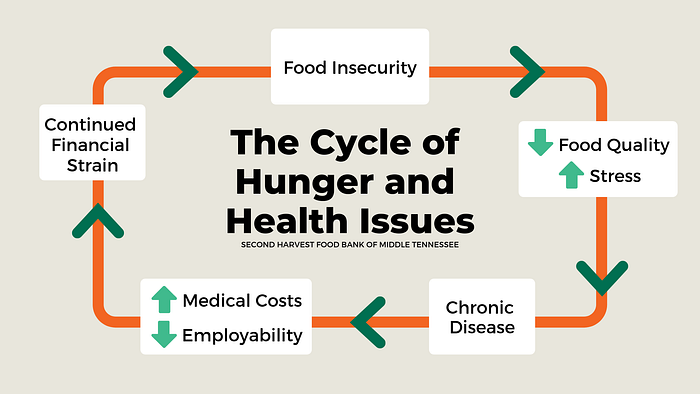

Wealth inequality and food insecurity are two profound challenges with deeply intertwined roots and impacts. This relationship is complex, involving aspects of economics, societal structure, and public health.
The Effect of Wealth Inequality on Food Access
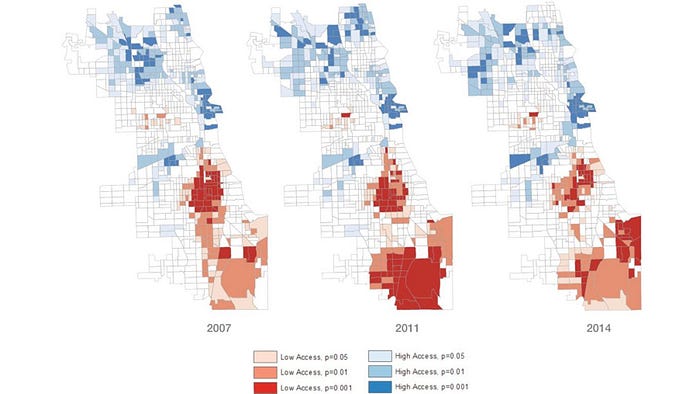
The vast chasm of wealth inequality has direct and indirect effects on food access. Directly, individuals and families with lower incomes have less money to spend on food, often leading to sacrifices in both quantity and quality of food. Indirectly, lower-income neighborhoods often lack access to stores selling affordable, nutritious food, a phenomenon known as food deserts.
The Impact of Food Insecurity on Economic Opportunity
Food insecurity, in turn, can act as a significant barrier to economic opportunity, creating a vicious cycle. Chronic hunger and poor nutrition can lead to health issues and impair cognitive development in children, affecting their school performance and future earning potential. Adults suffering from hunger may struggle to maintain productivity or seek better employment opportunities, perpetuating the cycle of poverty and wealth inequality.

A Case Study: Urban Food Deserts in Chicago
Chicago presents a striking example of the interaction between wealth inequality and food insecurity. Many low-income neighborhoods in the city are considered food deserts. However, community initiatives such as urban agriculture projects and mobile grocery stores are making strides to improve access to nutritious food in these areas.
Policies and Programs
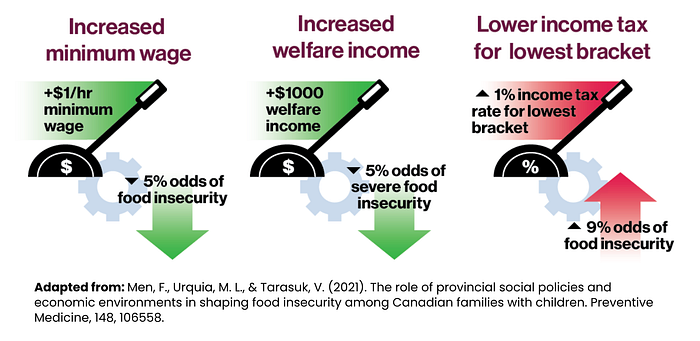
A variety of policies and programs aim to break the cycle of wealth inequality and food insecurity. These range from income support measures such as the Supplemental Nutrition Assistance Program (SNAP) to efforts to bring grocery stores to underserved areas. Innovative approaches like urban farming and farm-to-school programs also play a part in addressing these interconnected issues.
In the Midst of Complexity, A Call for Comprehensiveness
Reflecting on this complex relationship between wealth inequality and food insecurity, we see the need for comprehensive solutions. Policies must address not only the symptoms — hunger, malnutrition, food deserts — but also the underlying systemic issues of wealth inequality. And the fight against food insecurity should not be viewed in isolation but as a part of a broader pursuit of economic justice and social equity.
Our global pantry has plenty to feed everyone, but only if we can ensure the wealth needed to access it is more evenly distributed. We need to create and nourish systems that break the cycle of wealth inequality and food insecurity, fostering a world where everyone has the means to access nutritious food. Together, we can move towards a future of food security and wealth equality.