

I started fasting yesterday. My main reason is to inform my spiritual journey, but before I tell you about that, let's look at the huge list of physical benefits fasting has.
The physical and spiritual are connected. As living beings, we can't have one without the other. So, here's what happens in your body when you fast:
Weight Loss and Fat Burning: The obvious one, of course, is losing weight. During fasting, your body shifts from using glucose (sugar) as its primary source of energy to burning stored fat for fuel.
This is known as ketosis, and leads to weight loss and a reduction in body fat percentage.

Improved Insulin Sensitivity: Fasting allows your cells to more effectively absorb glucose from the bloodstream. This lowers blood sugar levels and reduces the risk of insulin resistance and type 2 diabetes.
Cellular Repair and Autophagy: The absence of food triggers a process called autophagy. Your cells remove damaged or dysfunctional components and recycle them for energy.
This cellular repair process has been linked to a reduced risk of cancer, Alzheimer's disease, and other age-related conditions.
Reduced Inflammation: Chronic inflammation causes health problems, including heart disease, arthritis, and autoimmune disorders.
Believe or not, inflammation causes more problems than you might, at first, imagine.
Fasting reduces inflammation markers in the body, leading to improved immune function and a lower risk of inflammatory diseases.
Brain Health and Cognitive Function: Fasting promotes brain health and improves cognitive function by stimulating the production of brain-derived neurotrophic factor (BDNF), a protein that supports the growth and maintenance of neurons.
Fasting has also been linked to enhanced memory, focus, and mental clarity.

Heart Health and Blood Pressure: Fasting lowers blood pressure, reducing LDL cholesterol levels, and improving other risk factors for cardiovascular disease.
Longevity and Ageing: Several studies suggest that fasting may extend lifespan and slow down the ageing process by activating longevity pathways in the body.
Let's be honest, who doesn't want that?
Fasting triggers metabolic changes that mimic the effects of caloric restriction, a dietary intervention known to promote longevity in various organisms.
Enhanced Immune Function: By promoting the production of white blood cells, fasting strengthens the immune system. These cells play a crucial role in fighting off infections and diseases.
Stress Reduction and Mental Well-being: Reduced stress levels, improved mood, and enhanced overall well-being are all products of fasting.
The mental clarity and sense of control that many people experience during fasting can help reduce anxiety and promote a greater sense of calm and balance.
Gut Health and Digestive Function: Fasting benefits gut health by promoting the growth of beneficial gut bacteria and reducing inflammation in the digestive tract.
It also improve digestion, alleviates symptoms of gastrointestinal disorders, and promote overall digestive health.
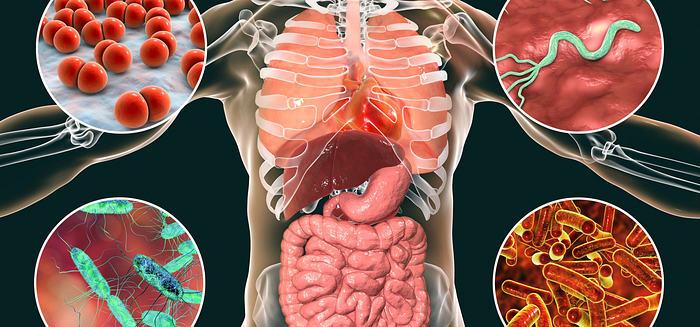
That's a pretty impressive list, don't you think?
In fact, if you had to take medication to cover all those areas, you'd be rattling like a packet of Tic-Tacs!
So, where do the spiritual benefits come in?
Did you know that fasting has been practiced by various cultures and religions for thousands of years?
Many historical figures and spiritual leaders incorporated fasting into their practices.
Siddhartha Gautama (Buddha):
Siddhartha Gautama, the founder of Buddhism, practiced fasting as part of his spiritual journey towards enlightenment.
Before attaining enlightenment under the Bodhi tree, Siddhartha engaged in rigorous ascetic practices, including extended periods of fasting, in search of spiritual awakening.
This period of fasting and asceticism is described in Buddhist texts such as the Jataka tales and the Mahavagga.
Jesus Christ:
In the Christian tradition, J.C is said to have fasted for forty days and forty nights in the wilderness as part of his preparation for his ministry.
This period of fasting, known as the "Temptation of Christ," is described in the New Testament Gospels of Matthew, Mark, and Luke.
Jesus' fasting is often cited as a symbol of spiritual discipline and resistance to temptation.
Prophet Muhammad:
The Islamic tradition includes fasting as one of the Five Pillars of Islam, with the month of Ramadan being a period of obligatory fasting for Muslims worldwide.
Prophet Muhammad fasted regularly throughout his life, both during Ramadan and on other occasions as a form of spiritual devotion and self-discipline.
Fasting during Ramadan commemorates the revelation of the Quran to Muhammad and serves as a time for spiritual reflection, prayer, and purification.
Mahatma Gandhi:
Mahatma Gandhi, the leader of the Indian independence movement, was known for his advocacy of nonviolent resistance and his commitment to spiritual and moral principles.
Gandhi frequently engaged in fasting as a form of protest and self-purification, using hunger strikes as a means of drawing attention to social injustices and promoting nonviolent change.
His fasts often attracted widespread attention and played a significant role in India's struggle for independence from British colonial rule.
But I'm not religious. I don't follow any particular dogma. I see myself as a spiritual being having a physical experience in this vehicle we call a body.
Fasting, for me, is less about the physical benefits, though they will certainly do me good, and more about a spiritual awakening.
Here's what I mean:
Increased Clarity and Focus:
Fasting clears the mind and enhances mental clarity, allowing us to focus more deeply on spiritual matters.
It creates a sense of inner stillness and heightened awareness, making it easier to connect with one's inner self and higher consciousness.

Heightened Sensitivity and Intuition:
We feel a heightened sensitivity to subtle energies and spiritual insights.
As the body becomes lighter and more purified during fasting, we experience a greater sense of intuition and spiritual receptivity, enabling us to access deeper levels of wisdom and guidance.

Detoxification and Purification:
Many spiritual traditions view fasting as a form of purification for the body, mind, and spirit.
By abstaining from food and other indulgences, not only do we cleanse the physical body of toxins and impurities, we also purify the soul of negative emotions and attachments.
This process of detoxification can create a sense of renewal and rejuvenation, paving the way for spiritual growth and transformation.
Deepening of Spiritual Practices:
Fasting is often practiced in conjunction with other spiritual disciplines, such as prayer, meditation, and introspection.
By combining fasting with these practices, we can deepen our spiritual connection and accelerate our progress on the path to awakening.
Fasting is seen as a way to intensify one's spiritual efforts and create a conducive environment for inner transformation.

Cultivation of Self-Discipline and Surrender:
Fasting requires a significant degree of self-discipline and willpower. Even last night, when my husband was making cheese on toast, I felt my mouth water.
Through the practice of fasting, we learn to master our desires and cultivate a greater sense of inner strength and resilience.
It also fosters a spirit of surrender and trust, as we learn to let go of attachment to physical nourishment and rely instead on the sustenance of the divine.

So, overall, while it is a challenging process, only good can come from the disciplined practise of fasting.
It's a powerful catalyst for spiritual awakening by purifying the body, quieting the mind, and opening the heart to deeper dimensions of existence.
Whatever your reasons for fasting, it has the potential to awaken your soul and lead you to a greater sense of inner peace, wisdom, and spiritual fulfilment.
Have you tried fasting?
Hit me up in the comments and tell me what you've experienced.