
In a world where sports can unite people, ignite passion, and inspire, there exists an unfortunate underbelly that often rears its ugly head — negative and toxic fandom.
In recent years, the rise of social media has provided a platform for fans to express their opinions and emotions more freely than ever before. While this has fostered a sense of community and camaraderie among fans, it has also exposed the darker side of sports fandom, where some individuals feel entitled to hurl insults and abuse at players and coaches.
It's time to address this issue and remind ourselves of the humanity that binds us all.
Social media has given fans unprecedented access to athletes and teams, allowing for instant reactions and discussions about games and performances. While this can be a positive aspect of the sports experience, it has also led to a disturbing trend of fans directing unwarranted anger and vitriol towards players and coaches.
The anonymity and distance provided by the internet often embolden individuals to say things they would never dare to utter face-to-face.
One of the most disheartening examples of this toxic fandom was the incident involving Dak Prescott, the quarterback for the Dallas Cowboys. After a tough loss to the San Francisco 49ers, a group of so-called fans took to social media to mockingly use a jersey with Prescott's name on it to mop the floor.
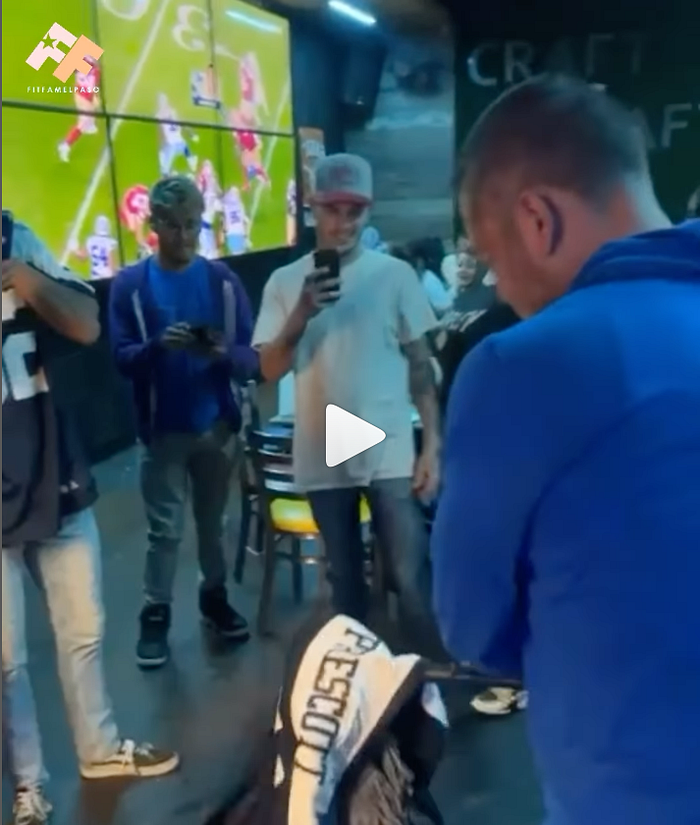
It's crucial to remember that athletes like Prescott have dedicated their lives to reaching the pinnacle of their sport. They've endured years of grueling training, overcome injuries, and made countless sacrifices to achieve their dreams. They don't deserve to be treated as punching bags for the frustrations of fans.
Keep in mind these athletes and coaches are human beings. They have families, emotions, and vulnerabilities. When fans resort to name-calling, disgraceful comments, and even calls for their firing, it not only reflects poorly on themselves but also undermines the sense of sportsmanship and respect that should be at the heart of sports.
Heck, if you're convinced you could coach or play better, please, enlighten us with your unparalleled wisdom instead of throwing an adult-sized tantrum because you haven't yet found an outlet for the colossal reservoir of pent-up anger stemming from your failure to secure a spot in the professional sports league. An embarrassment? Well, that might be putting it mildly — an embarrassment for both you and your dear family, I'd say.
Here's a little reality check: Could you genuinely survive even a single minute on that hallowed field or in the coaching box? Let's not kid ourselves; most of us would be gasping for breath and clutching our aching muscles while these professionals run circles around us. Instead of indulging in a pastime of tearing others down, might I suggest a more productive use of your energy? Perhaps consider focusing on some self-improvement endeavors or, heaven forbid, lending some constructive support to your team. Just a thought.
Lastly, be fully aware that their comments and actions on social media can have real-life consequences. Athletes and coaches, along with their families, are often exposed to the negativity that is hurled at them online. This not only affects their mental well-being but can also impact their performance on the field. It's time for fans to recognize the power of their words and actions and use that power responsibly.
Sports should be a source of joy, unity, and inspiration. Toxic fandom, characterized by name-calling, disgraceful behavior, and calls for the firing of players and coaches, tarnishes the spirit of sportsmanship and respect that should prevail in the world of sports.
It's time to be more mindful of the impact of our words and actions, both online and offline, and strive to be better human beings, not just for the sake of our beloved teams but for the sake of our shared humanity.
Let's address the fans who displayed such appalling behavior. Consider the individual who thought it wise to bring out a mop for a post-game spectacle, all while a group of onlookers enthusiastically supported this tasteless act. Clearly, critical thinking was not at play here. But who needs to bother about something as seemingly trivial as good taste, right?
Now, on a more serious note, it's my hope that there's still a bit of integrity within you, prompting you to consider offering Dak a sincere apology, which he rightfully deserves. And perhaps, while you're at it, extend that apology to the people who've been there for you along the way — those who raised you with the best intentions in mind.