
When I started my internship at Elevvo, my first project seemed straightforward: predict student exam scores based on how many hours they studied. The task felt like a simple, clean dataset from Kaggle waiting for a linear regression model.
Quick question
The Reality Check: My First Brush with a Machine
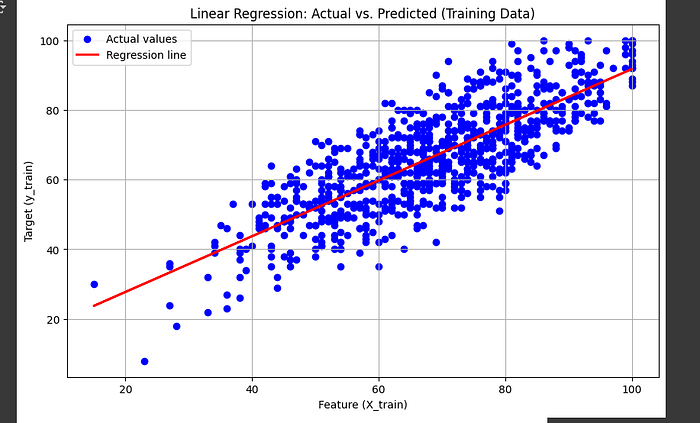
The work began with the basics: cleaning the data, creating some visual plots to understand it, and then training my simple linear regression model. The process was a test of patience, and the model's predictions, while showing a general trend, felt… incomplete. The numbers were technically correct, but they didn't tell the whole story.
I even tried advanced techniques like polynomial regression to squeeze out more accuracy, but the results just reinforced a critical lesson: a model is only as good as the data you feed it.
The Turning Point: Beyond the Numbers
This project was more than just a test of my coding skills. It was a personal turning point that made me realize I could do this. Right after, my friend Alber showed me two powerful tools: Streamlit and Hugging Face. Suddenly, my small, limited project could be turned into a dynamic web application that anyone could use.
This is where the real "bigger picture" came into focus. It's not just about an algorithm predicting a number; it's about building tools that allow us to explore the limitations and potential of that prediction.
The Lesson Learned: From Prediction to Perspective
This project taught me a huge lesson about data, modeling, and resilience. I learned that focusing solely on the numbers (hours studied) misses so much of what truly contributes to a student's success — factors like motivation, support systems, and personal well-being.
My machine learning model didn't just predict scores; it gave me a new perspective on the variables we don't always see. With Streamlit and Hugging Face, I'm now building on that foundation, creating tools that invite others to ask their own questions and see the data from new angles.