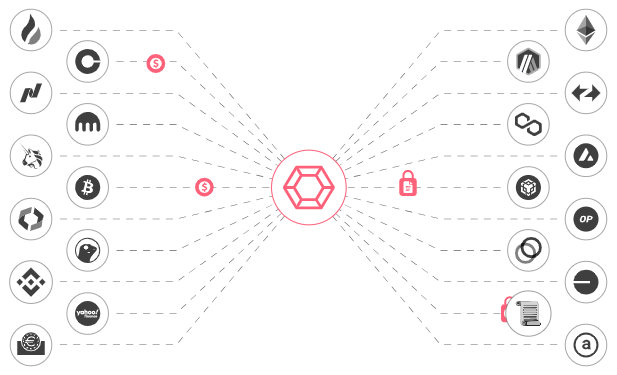

In the world of blockchain and decentralized applications, trust and data integrity are paramount. To ensure the reliability of data, oracles play a vital role by verifying and validating information from external sources. In this article, I will delve into the data verification process by oracles and understand its significance.
I am here with the knowledge that I have gained from reviewing the documentation of Oracles and especially Oracle Redstone. I will address a very important issue of the duties of oracles. One of the main tasks of oracles is to collect different data and present it to customers. This is the first part of the work. But finally, before presenting to the customer, it should be checked how much of the data is correct. Misrepresentation of information, especially for Redstone, which is being developed and various blockchain networks are integrated into it, creates a much wider problem.
What are Oracles?
Oracles act as bridges between blockchain networks and the outside world. They securely retrieve and verify real-world data, enabling smart contracts and decentralized applications (dApps) to interact with and rely on external information. By providing trustworthiness in a trustless environment, oracles are essential to ensure accurate off-chain data in a blockchain system.
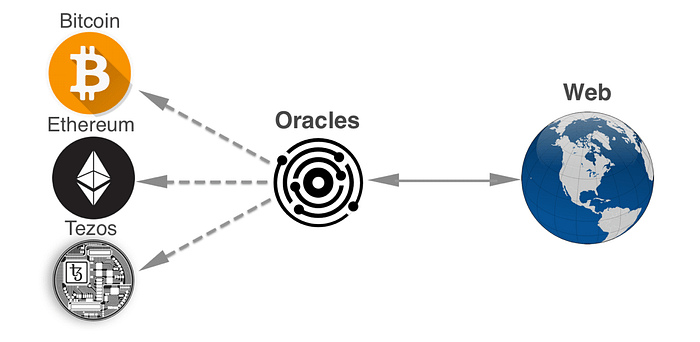
Data Verification Process
The data verification process by oracles involves several steps to ensure the integrity and accuracy of external data before it is used within a blockchain network. Here is a breakdown of the process:
1. Data Collection Oracle RedStone collect data from various sources, such as APIs, external databases, web scraping, IoT devices, or other off-chain sources. This data could include real-time stock prices, weather conditions, sports scores, financial data, or any other information required by the smart contract or dApp.
2. Data Formatting and Encoding Before the verification process begins, RS standardize and format the collected data to ensure consistency and compatibility with the blockchain network. This step involves encoding the data into a suitable format that can be understood by the smart contract or dApp requesting the information.
3. Data Validation Once the data is properly formatted, oracle RedStone perform data validation checks to ensure its integrity and accuracy. This includes verifying the data against predefined rules, such as range checks, data type validation, or any other custom validation requirements set by the smart contract or dApp.
4. Consensus Mechanisms To provide additional reliability, oracles may employ consensus mechanisms. These mechanisms involve multiple oracles independently verifying the same data, and the final result is determined based on a consensus among the participating oracles. This helps mitigate any potential malicious behavior or inaccuracies from a single RedStone source.
5. Digital Signatures and Time Stamping To ensure the authenticity and tamper-proof nature of the verified data, oracles utilize digital signatures and time stamping. Digital signatures provide proof of the oracle's identity and guarantee that the data has not been altered during transit. Time stamping adds an additional layer of immutability by recording the exact time the data was verified.
6. Data Transmission to the Blockchain Network After successful verification, the oracle transmits the verified data to the blockchain network. The data is securely packaged and transmitted to the smart contract or dApp, where it can be utilized for the intended purpose.
7. Updating and Refreshing Data Depending on the nature of the data, oracles may periodically update or refresh the verified information to ensure it remains accurate and up to date. This could involve fetching new data at regular intervals or based on predefined triggers or events.
Importance of Data Verification by RS
Trustworthy data is crucial for the proper functioning of blockchain networks and applications. Data verification by oracles provides the following advantages:
Reliable Off-Chain Data: RedStone ensure that the off-chain data utilized within a blockchain network is accurate, tamper-proof, and validated against predefined rules, improving the overall reliability of the system.
Expanded Use Cases: The availability of verified external data expands the use cases of smart contracts and dApps, allowing them to interact seamlessly with the real world and enabling functionalities such as decentralized finance (DeFi), supply chain management, and more.
Trust and Transparency: By employing consensus mechanisms and time-stamped digital signatures, oracles enhance trust and transparency in the data verification process, mitigating the risk of data manipulation or malicious behavior.
Conclusion
Oracles play a critical role in verifying and validating external data for blockchain networks and decentralized applications. Through the data verification process, RedStone ensure the integrity, accuracy, and trustworthiness of off-chain information. By leveraging RedStone, blockchain-based systems can confidently interact with real-world data, further expanding the possibilities and functionalities of decentralized applications.
As blockchain technology continues to evolve, data verification by oracle RedStone will remain a fundamental component, enabling trust, reliability, and seamless integration with the outside world.
By: 0xRezo.zk