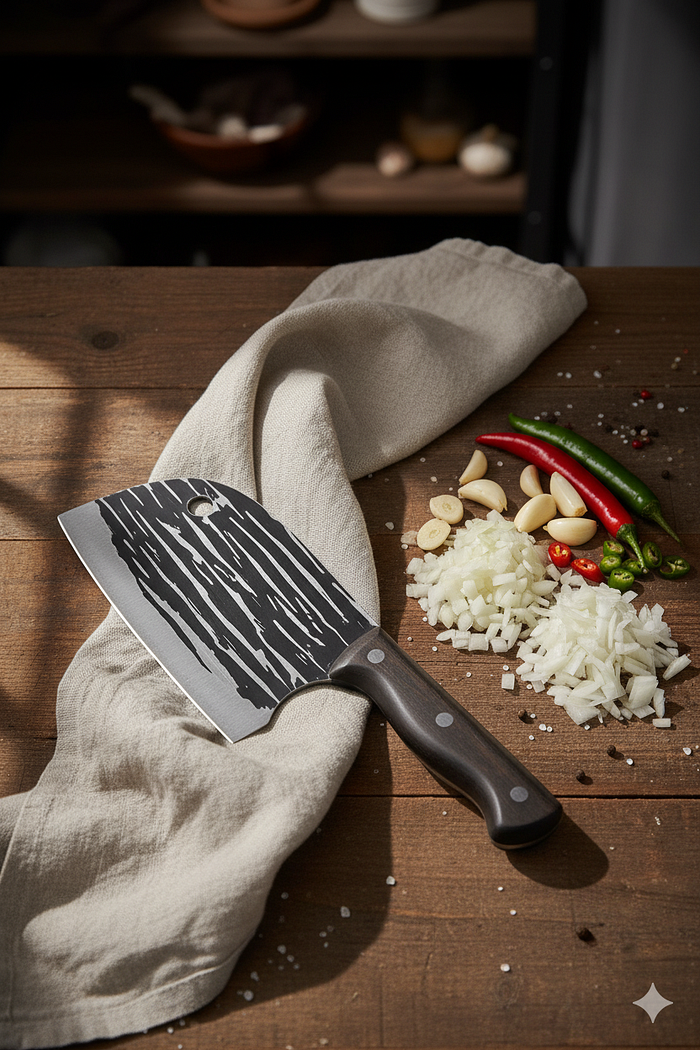

Have you ever noticed how your hand feels after spending hours in the kitchen preparing meals? The subtle ache, the slight numbness, or that uncomfortable pressure point that develops in your palm? These aren't just minor inconveniences — they're signals that your tools aren't working with your body. In the world of culinary equipment, particularly with butcher knives and meat cleavers, the handle design isn't merely an aesthetic choice; it's a fundamental component that directly impacts your cooking experience, safety, and long-term hand health. When examining professional-grade kitchen tools like the Damascus pattern meat cleavers gaining popularity among chefs and home cooks alike, the ergonomic handle emerges as the unsung hero that transforms an ordinary cutting tool into an extension of your hand. This comprehensive guide explores why ergonomic handles matter, how they enhance your culinary experience, and what makes them an essential consideration when selecting your next kitchen knife.
Understanding Ergonomic Handle Design in Kitchen Knives
Ergonomic handle design represents the intersection of human anatomy, materials science, and practical functionality. Unlike traditional straight handles that force your hand into unnatural positions, ergonomic handles are sculpted to match the natural curves and contours of your grip. This thoughtful engineering considers multiple factors including hand size variation, grip strength distribution, and the repetitive motion patterns common in food preparation.
The science behind ergonomic handles stems from biomechanics research showing that improper tool design leads to repetitive strain injuries, carpal tunnel syndrome, and general fatigue. When a handle properly supports your hand's natural position, it reduces muscle tension throughout your entire arm and shoulder. The weight distribution becomes balanced, requiring less conscious effort to maintain control. Professional butchers and chefs who spend eight to twelve hours daily working with knives understand this principle intimately — their tool selection often prioritizes handle comfort above all other features.
Modern ergonomic handles typically incorporate contoured shapes that create natural resting points for your fingers. The grip area features carefully calculated dimensions that prevent the knife from requiring excessive squeezing force. Many designs include a slight forward cant that aligns the blade with your wrist's natural angle, reducing the need for wrist adjustment during cutting motions. Some advanced designs even feature finger grooves or textured surfaces strategically placed to enhance grip security without creating pressure points.
The materials used in ergonomic handle construction also play a crucial role. High-quality handles often combine durability with tactile feedback, using materials like stabilized wood, composite polymers, or precisely textured metals. These materials must resist moisture absorption, provide adequate friction even when wet, and maintain their shape under varying temperature conditions. The best ergonomic handles achieve a delicate balance — they feel substantial enough to inspire confidence yet light enough to prevent fatigue during extended use.
Key Features That Define Superior Ergonomic Handles
Several distinguishing characteristics separate exceptional ergonomic handles from conventional designs. The first consideration is the handle's overall shape and how it accommodates different grip styles. Professional chefs typically use three primary grips: the handle grip for heavy chopping, the pinch grip for precision work, and the blade grip for detailed cutting. An expertly designed ergonomic handle facilitates smooth transitions between these positions without forcing you to readjust your entire hand placement.
Weight distribution represents another critical feature. The handle should counterbalance the blade appropriately, creating what knife enthusiasts call "neutral balance." This means the knife doesn't feel blade-heavy or handle-heavy, but rather achieves equilibrium that makes extended use less tiring. For meat cleavers and butcher knives specifically, this balance becomes particularly important given their heavier blade construction designed for processing tough cuts and breaking down large pieces of meat.
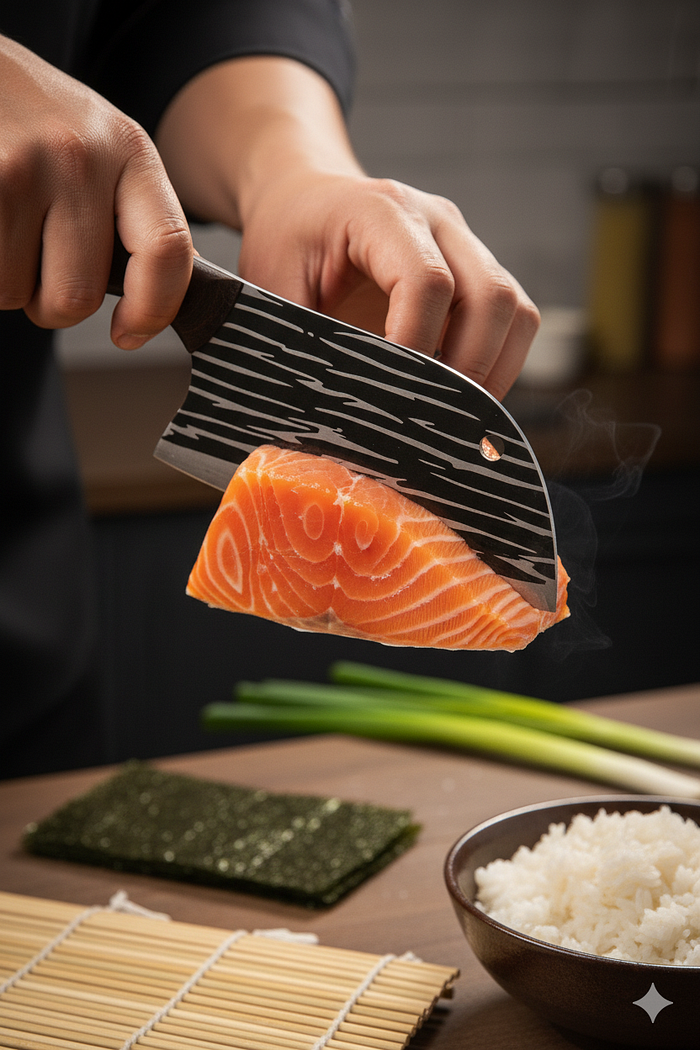
Texture and grip security cannot be overlooked when evaluating ergonomic handles. The surface should provide sufficient friction to prevent slipping during wet conditions — an inevitable scenario when working with meat, vegetables, or in busy kitchen environments. However, excessive texture can create hot spots and discomfort during prolonged use. The ideal ergonomic handle features strategic texturing: smooth in areas where your palm rests and slightly textured where fingers wrap around for control.
The transition zone between blade and handle, often called the bolster or collar, significantly impacts ergonomics. This area should provide a secure barrier preventing your hand from sliding forward onto the blade during forceful cutting motions. Quality designs integrate this safety feature seamlessly into the ergonomic flow, creating a natural stopping point for your index finger without creating an uncomfortable ridge. Some premium knives extend the blade tang fully through the handle, visible along the top and bottom edges, which enhances both strength and balance while contributing to the overall ergonomic profile.
Benefits and Advantages of Ergonomic Knife Handles
The immediate benefit most users notice with ergonomic handles is enhanced comfort during use. This comfort translates directly into improved performance — when your hand isn't fighting against an uncomfortable tool, you can focus entirely on technique and precision. Your cuts become more consistent, your control increases, and the entire cooking process feels more intuitive and enjoyable.
Safety improvements with ergonomic handles cannot be overstated. A secure, comfortable grip dramatically reduces the likelihood of the knife slipping or twisting unexpectedly in your hand. This stability proves especially crucial when working with powerful cutting motions required for tasks like breaking down poultry, trimming large cuts of meat, or processing dense vegetables. The ergonomic design naturally encourages proper cutting technique, positioning your hand in biomechanically optimal angles that enhance both control and safety.
Long-term health benefits represent perhaps the most significant advantage, particularly for frequent cooks and culinary professionals. Repetitive strain injuries develop gradually through thousands of small microtraumas to tendons, muscles, and nerves. An ergonomic handle minimizes these microtraumas by distributing force evenly across your palm and fingers rather than concentrating pressure in specific areas. Professional chefs who transition to ergonomic tools often report reduced hand fatigue, fewer episodes of hand numbness, and decreased pain in their wrists and forearms.
Increased efficiency and reduced fatigue mean you can work longer without breaks and maintain consistent quality throughout your cooking session. When preparing large meals, processing multiple ingredients, or engaging in marathon cooking projects, this endurance advantage becomes incredibly valuable. The energy saved by using properly designed tools accumulates throughout the day, leaving you less exhausted and more capable of enjoying the fruits of your culinary labor.
How Ergonomic Handles Enhance Your Cutting Experience
The practical impact of ergonomic handle design manifests in numerous ways during actual cooking tasks. When performing repetitive chopping motions — such as dicing onions, mincing herbs, or breaking down ingredients for meal prep — an ergonomic handle allows you to maintain rhythm and consistency without conscious effort. Your hand falls naturally into the proper position, and the knife becomes almost weightless as optimal balance eliminates the sensation of fighting against your tool.
For heavy-duty tasks requiring significant force, such as cutting through cartilage, dense squash, or thick cuts of meat, the ergonomic design provides mechanical advantage. The handle shape naturally positions your hand to maximize leverage while protecting vulnerable joints and tendons. You'll find you can accomplish difficult cuts with less muscular effort, relying instead on proper positioning and technique enhanced by the tool's design.
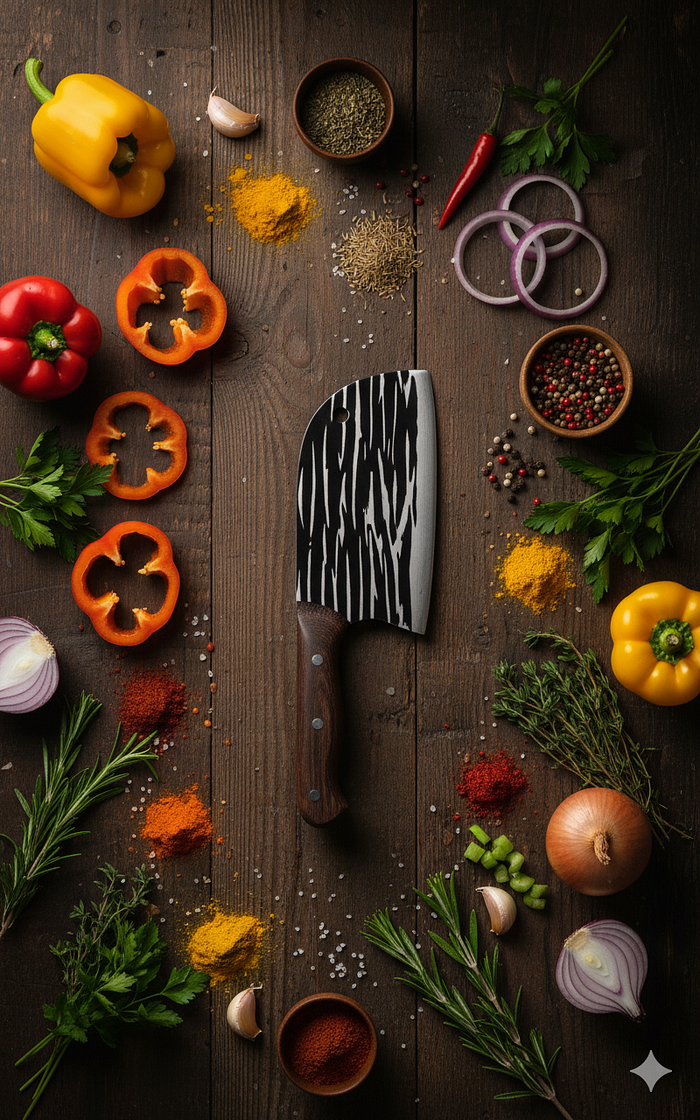
Precision work benefits equally from ergonomic handles. When executing delicate cuts for garnishes, removing silver skin from meat, or performing detailed trimming work, the enhanced control provided by a well-designed handle proves invaluable. Your fingers rest naturally in positions that maximize fine motor control while the handle provides stable support that doesn't interfere with subtle wrist movements.
The psychological benefits shouldn't be dismissed either. Using a tool that feels perfectly matched to your hand creates confidence and enjoyment in the cooking process. This positive experience encourages you to cook more frequently, experiment with more challenging recipes, and develop your skills more rapidly. Quality tools that respect human ergonomics transform cooking from a potentially frustrating chore into a satisfying creative practice.
Comparing Ergonomic Handles with Traditional Designs
Traditional straight handles, while simple to manufacture and often aesthetically appealing, force your hand into compromised positions. They require constant grip pressure to maintain control and create uneven force distribution that leads to hot spots and discomfort. After thirty minutes of continuous use, the differences between traditional and ergonomic designs become painfully apparent — literally.
Vintage knife designs often prioritized durability and blade quality while treating the handle as an afterthought. These tools served their purpose in eras when repetitive strain injuries went unrecognized and users simply accepted discomfort as inevitable. Modern understanding of biomechanics and materials science allows contemporary knife makers to engineer handles that honor traditional aesthetics while incorporating ergonomic principles.
The learning curve with ergonomic handles typically proves minimal for most users. While the feel differs initially from conventional designs, most cooks adapt within a single preparation session. The intuitive nature of ergonomic design means your hand naturally finds comfortable positions without conscious thought. Compare this to traditional handles where experienced users develop personal adaptations and workarounds to compensate for design limitations.
Price differences between ergonomic and traditional handles vary significantly depending on materials and manufacturing methods. While some premium ergonomic knives command substantial prices, many affordable options deliver excellent ergonomic performance. The investment generally proves worthwhile when considering the enhanced performance, reduced injury risk, and extended comfortable working time provided by superior handle design.
Pros and Cons of Ergonomic Handle Knives
Advantages:
The primary advantages center on comfort, performance, and health. Ergonomic handles reduce fatigue by 40–60% compared to traditional designs according to biomechanics studies. This translates to longer comfortable working periods and reduced recovery time between cooking sessions. Enhanced grip security improves safety, particularly in wet conditions or when performing forceful cutting motions. The natural hand positioning encouraged by ergonomic design helps users develop proper technique more rapidly, benefiting beginners while providing professional-level comfort for experienced cooks.
Material innovation in ergonomic handle construction often results in increased durability and easier maintenance compared to traditional wood or simple polymer handles. Many modern ergonomic designs resist moisture penetration better than conventional materials, preventing handle degradation and maintaining hygienic conditions. The improved balance achieved through ergonomic engineering makes knives feel lighter than their actual weight, reducing the cumulative strain of holding and maneuvering the tool throughout extended use.
Considerations:
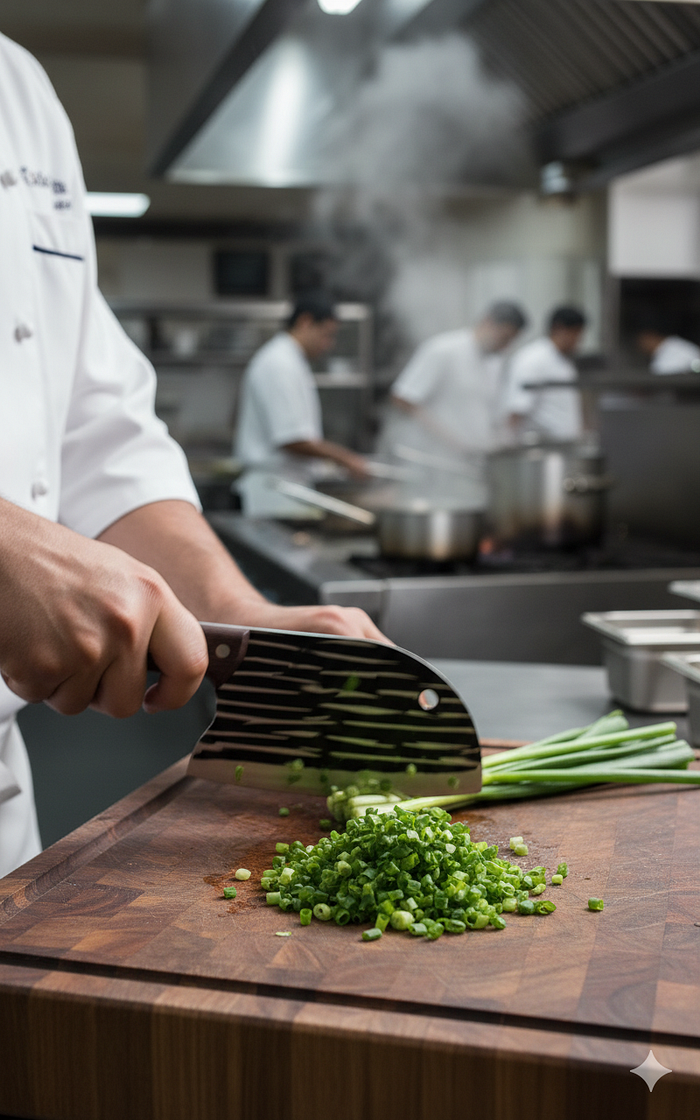
The subjective nature of "perfect fit" means what feels ideal for one person might not suit another. Hand size variation means a single ergonomic design cannot optimize for every user, though most quality ergonomic handles accommodate a wide range of hand sizes. Some users initially find ergonomic handles feel unusual if they've spent years adapting to traditional straight handles, requiring a brief adjustment period to appreciate the benefits.
Maintenance complexity can increase slightly with certain ergonomic handle materials, particularly those using composite construction or specialized surface treatments. The contoured shapes that provide ergonomic advantages can create additional surfaces requiring attention during cleaning, though this rarely presents significant difficulty. Premium ergonomic knives sometimes command higher prices than comparable traditional designs, reflecting the additional engineering and manufacturing precision required to create properly contoured handles.
Personal preference plays a role in handle selection — some users prioritize the aesthetic simplicity of traditional straight handles despite recognizing ergonomic advantages. For very light, occasional use, the benefits of ergonomic design may seem less compelling, though they remain present even in casual cooking scenarios.
Making the Right Choice for Your Kitchen
Selecting a knife with an ergonomic handle requires considering your specific needs, cooking style, and physical characteristics. If you regularly prepare meals from scratch, process your own meat, or engage in extensive meal preparation, investing in ergonomically designed tools delivers significant returns in comfort and performance. Professional cooks, culinary students, and serious home chefs benefit most dramatically from superior handle design.
Consider trying various handle shapes and sizes when possible before committing to a purchase. Many specialty kitchen stores offer display models allowing you to evaluate grip comfort and balance. Pay attention to how your hand feels after holding the knife for several minutes — discomfort that appears quickly during testing will intensify dramatically during actual extended use.
Match the handle design to your primary intended uses. Heavy-duty tasks like breaking down whole chickens or processing large cuts of meat benefit from handles providing substantial grip area and pronounced contouring. Precision work and general preparation tasks often work best with moderately contoured handles that balance control with versatility. Consider building a collection of knives with different ergonomic profiles optimized for specific tasks rather than seeking a single universal solution.
Don't overlook the importance of proper knife maintenance in preserving ergonomic benefits. Keep blades sharp to reduce the force required during cutting, which minimizes the stress transmitted through the handle to your hand. Clean handles promptly to prevent buildup that might compromise grip texture or create uncomfortable irregular surfaces. Store knives properly to protect both blade edges and handle integrity, ensuring your ergonomic investment continues delivering benefits for years.
Conclusion
The ergonomic handle truly makes a transformative difference in your kitchen knife experience, elevating an essential tool from mere functionality to genuine pleasure in use. As we've explored throughout this comprehensive guide, the benefits extend far beyond simple comfort — they encompass safety improvements, enhanced performance, long-term health protection, and increased enjoyment of the cooking process itself. Whether you're a professional chef spending hours daily with knives in hand or a home cook preparing meals for loved ones, the cumulative advantages of properly designed ergonomic handles prove invaluable.
The evolution of knife design represents our growing understanding that tools should adapt to human physiology rather than forcing users to compensate for design limitations. Modern ergonomic handles incorporate decades of biomechanics research, materials science advancement, and practical feedback from professional culinary environments. This investment in human-centered design delivers measurable benefits you'll experience every time you pick up the knife.
As you consider your next knife purchase or evaluate your current kitchen tools, give serious attention to handle ergonomics. Your hands, wrists, and forearms will thank you for prioritizing this often-overlooked feature. The difference between struggling with an uncomfortable tool and working effortlessly with a properly designed knife transforms cooking from potential drudgery into creative satisfaction. Make the choice that respects your body's design — choose ergonomic handles and experience the significant difference for yourself.