


When most people think of a designer in tech, they likely imagine a user experience (UX) or product designer. These designers are responsible for creating intuitive and user-friendly products that meet the needs of users and the goals of the company.
However, what many people may not be aware of is that there are other types of design positions that are specialized and focused on specific areas of product development.
I'm talking about: growth designers, design system designers, UX strategists, and UX architects. Each of these roles is unique to product design and requires a specific set of skills and knowledge.
If you're looking to advance your career or are interested in exploring new roles in the design industry, hopefully by the end of this article, you'll have a better understanding of these roles and how they can help take your product design career to the next level.
Growth Designer
Growth designers play a key role in product-led growth (PLG) by designing, implementing, and testing strategies that increase user engagement and drive growth for a product or service. PLG is a business model that focuses on using the product itself as the primary driver of customer acquisition, engagement, and revenue. Growth designers use experimental testing, user research, and inbound marketing to achieve this.
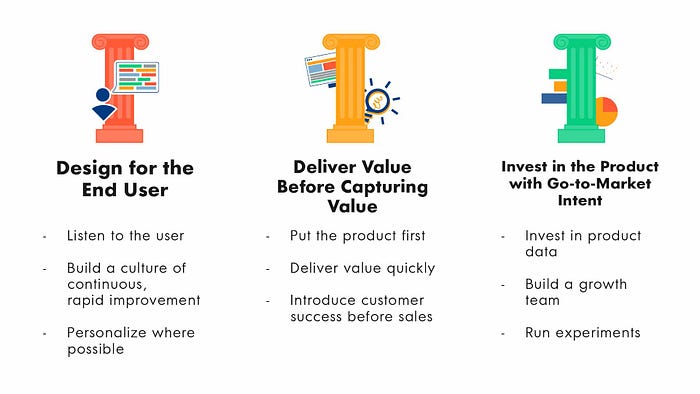
A few examples of where growth designers are needed include:
- User onboarding: One of the most important use cases for growth designers is creating an effective user onboarding experience. They use A/B testing and user research to optimize the onboarding flow, introducing new users to the product's features and benefits in the most effective way possible.
- Trial conversions: A key use case for growth designers is converting trial users into paying customers. They design the trial experience and use targeted messaging and other strategies, such as personalization, to increase the likelihood of conversion.
- Retention and engagement: A major goal of growth design is to improve retention and engagement. Using data and user research, they will identify opportunities to create features that make the product more addictive or engaging, or design targeted campaigns to encourage users to come back to the product.
- Paid acquisition: Growth designers also play a big role in creating and optimizing paid campaigns to drive user acquisition. By understanding the user journey and identifying opportunities to improve conversion rates and reduce acquisition costs, they can help drive growth through increasing user acquisition.
Design System Designer
A design system designer plays a crucial role in creating and maintaining the foundation of a product's visual language and user experience. Their overarching goal is to create and maintain a consistent and cohesive design system for the organization.
The key activities that a design system designer is involved in include:
- Designing consistent, reusable components that can be used across different parts of the product. This helps to ensure consistency in design, improve the efficiency of the design process, and make the product easy to use for the end user.
- Writing documentation as a way to communicate the design system's guidelines, principles, and components to designers, developers, and other stakeholders. The documentation serves as a reference for anyone working with the design system, and it helps to ensure that the design system is being used correctly and consistently across different products and platforms.
- Collaborating with developers on creation and adoption to ensure that components are scalable and that they can be easily integrated into the product's codebase. This is important because it means that the product can be updated and maintained easily, which benefits both the team and the end user.
- Advocating for the design system by promoting its benefits and encouraging its adoption across an organization. This can include communicating the design system's guidelines, principles, and components to designers, developers, and other stakeholders, as well as demonstrating how the design system can improve the UX, increase efficiency and productivity, and reduce design and development costs.
- Governing the design system by establishing and enforcing guidelines, principles, and policies that ensure the design system is being used consistently and correctly across different products and platforms. This can include providing training and support for designers and developers, including team workshops, one-on-one support, and setting up a system for feedback and review.
UX Strategist
UX strategists are the driving force behind the vision and direction of a product. Their role begins by immersing themselves in user research and testing, gaining valuable insights into how users interact with your products, and identifying opportunities for improvement. With this knowledge, they craft user personas and user journeys, laying the foundation for a comprehensive product roadmap.
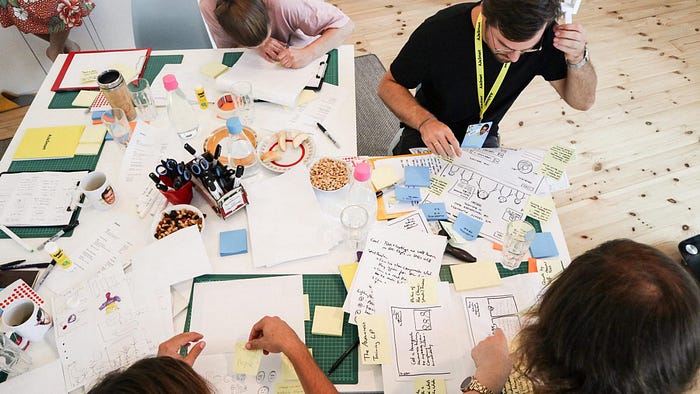
The UX strategist's role is cross-functional as they often facilitate a variety of workshops to gather insights and align goals across different teams and stakeholders. Some examples of workshops include:
- Visioning workshops: To align the team on the overall vision and direction for a product. The UX strategist may facilitate brainstorming sessions and ideation exercises to help the team define the product's goals and objectives.
- Roadmapping workshops: To plan out the product development process. The UX strategist may facilitate sessions to define milestones and timelines for the product, and align the product roadmap with the company's strategy.
- Stakeholder alignment workshops: To align different stakeholders and teams on the product vision and goals. The UX strategist may facilitate sessions to gather feedback and input from stakeholders, and ensure that everyone is on the same page.
- Design thinking workshops: To help team members develop a design thinking mindset and apply it to problem-solving. The UX strategist may facilitate exercises and activities to help team members understand the design thinking process and how it can be applied to product development.
UX strategists also monitor and analyze market trends to identify new opportunities and stay ahead of the competition. They do this by keeping a pulse on industry developments, gathering insights from competitors, and staying informed about emerging technologies, user behavior, and design trends. This information is then used to inform the overall vision and direction of the product, and to identify new opportunities for growth and innovation.
UX Architect
UX architects play a key role in defining the information architecture (IA) of the product. IA refers to the process of organizing, structuring, and labeling content in a way that makes it easy for users to find and understand. It's a discipline that helps to create a clear and intuitive organization of information, making it easy for users to navigate and find the information they need. The goal of IA is to improve the usability, findability, and overall UX of a website or application.
The main responsibilities of a UX Architect include:
- Defining the IA and structure of the product which includes the navigation, the different page layouts, the hierarchy, and the organization of information
- Creating site maps and user flows to visualize the product and identify gaps where the user journey can be optimized. Site maps help to visualize the overall structure of the product and the relationship between the different pages and sections. User flows help map out the steps that the user takes to achieve a specific task or goal.
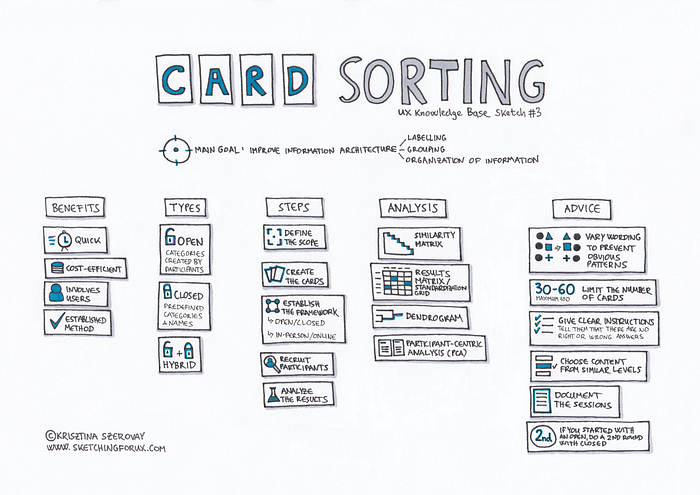
- Conducting user research and usability testing to evaluate the IA of a product. UX architects use card sorting, a method of organizing content and navigation, to understand how users think about and categorize information. Participants sort index cards representing content or navigation items into groups that make sense to them. The goal is to create a more intuitive and user-friendly information architecture and to identify areas of difficulty or inconsistency in content organization.
Final thoughts
If you're thinking about where you want to take your career in the future, it's important to consider which of these roles align with your skills and interests, and then work on developing the specific skills required for that role. You can do this by taking relevant courses, participating in design projects, or working with mentors who have experience in that role.
By developing the necessary skills, you'll be better equipped to take your product design career to the next level and make a meaningful impact on the products you work on.
Thanks for reading!
Be sure to SUBSCRIBE to never miss another article on UX design, career tips, life lessons, and more!
Here are a few more to read next: