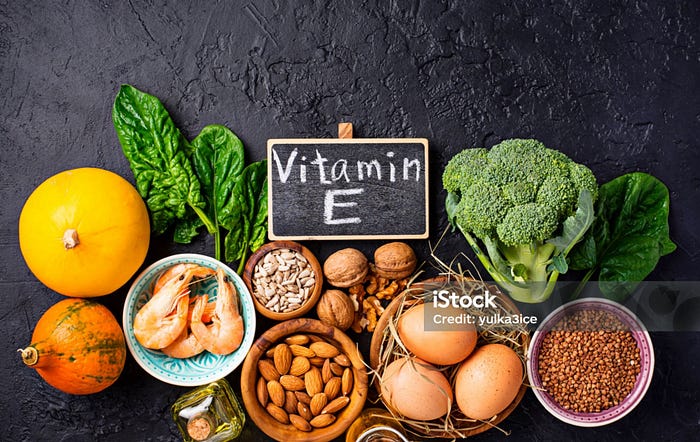

A fat-soluble vitamin, vitamin E is essential for sustaining general health. Mostly recognized for its anti-oxidant qualities, it shields cells from harm brought on by free radicals. This article explores the advantages of vitamin E, provides dietary sources, and suggests a sufficient intake.
What is the vitamin E content?
Tocopherols and tocotrienols are among the chemicals collectively referred to as vitamin E. Alpha-tocopherol is the most physiologically active version. This vitamin is necessary for a number of body processes, including immune system support and skin health maintenance.
Advantages of Vitamin E
Vitamin E is a strong antioxidant that aids in the body's defense against free radicals. In doing so, it shields cells against oxidative stress, a factor in the development of chronic illnesses including cancer and heart disease.
Skin Health: Because of its capacity to encourage skin healing and lower inflammation, this vitamin is frequently found in skincare products. It is a common component of moisturizers and anti-aging treatments because it keeps skin hydrated and supple.
Immune Support: A higher immune response is linked to adequate vitamin E levels. It may lower the chance of developing chronic illnesses and strengthen the body's defenses against infections.
Heart Health: Research indicates that vitamin E may protect the heart by inhibiting the oxidation of low-density lipoprotein (LDL), which lowers the likelihood of arterial plaque development.
Eye Health: Age-related macular degeneration (AMD) and cataracts are two of the main causes of vision loss. Vitamin E may be able to prevent these conditions.
Vitamin E Sources via Diet
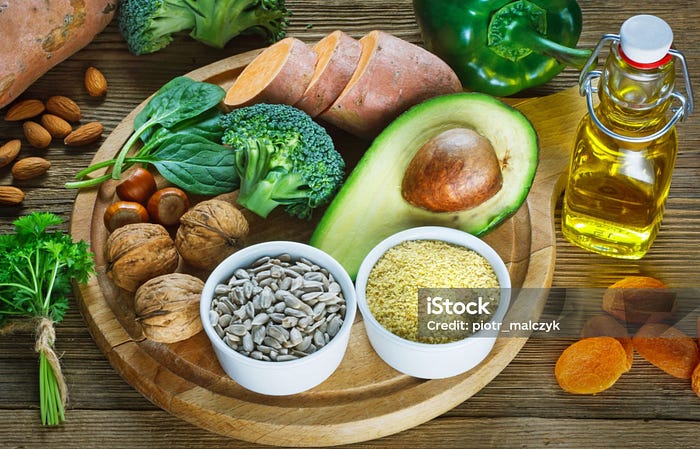
Adding vitamin E to your diet is not too difficult because it may be found in a variety of foods:
Nuts and Seeds: Sunflower seeds, almonds, and hazelnuts are great sources.
Vegetable Oils: High concentrations of vitamin E can be found in sunflower, wheat germ, and olive oils.
Green Leafy Vegetables: Kale, spinach, and Swiss chard are excellent sources.
Fruits: Kiwi and avocados are good sources of vitamin E.
Foods fortified with Vitamin E: Certain cereals and snacks are fortified with vitamin E, which makes them easy to obtain.
Suggested Consumption
Age, gender, and life stage all affect the Recommended Dietary Allowance (RDA) for vitamin E. An adult's daily recommended dosage is 15 milligrams (22.4 international units). With a balanced diet high in fruits, vegetables, nuts, and whole grains, most people can satisfy their needs.
Addenda and Points to Remember
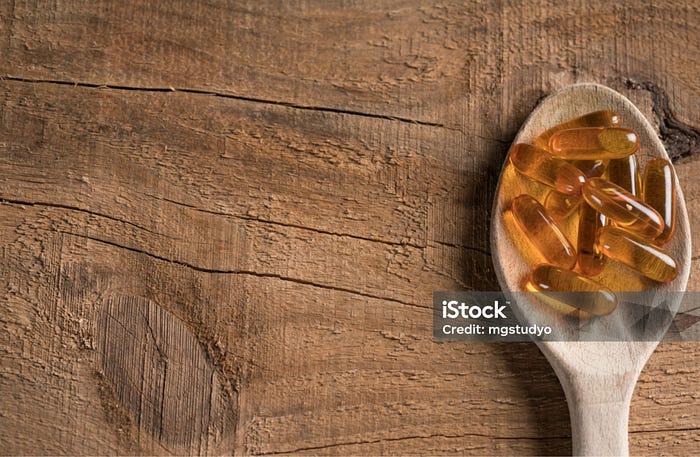
Although vitamin E pills are available, getting nutrients through food is usually the best option. Excessive dosages of supplements may cause adverse reactions and conflict with some drugs, especially blood thinners. A healthcare professional should always be consulted before beginning any supplements.
Conclusion
As an antioxidant and skin health protector, vitamin E is an essential nutrient with many health advantages. Consuming a range of foods high in vitamin E will improve your general health and lower your chance of developing chronic illnesses. Making a balanced diet a priority is essential to preserving vitamin E levels at their ideal levels and reaping its many advantages.