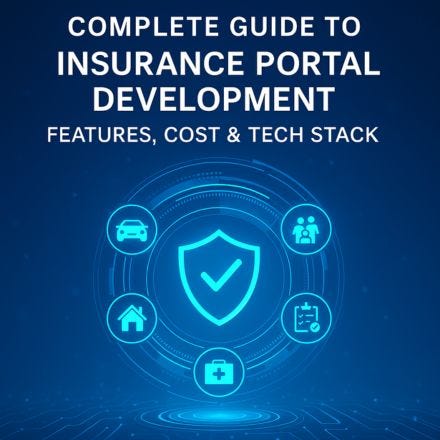


In today's rapidly digitizing world, the insurance industry is undergoing a significant transformation. Traditional, paper-heavy processes are being replaced by automated, user-friendly portals that simplify policy management, claims processing, and customer interaction. This shift is driven by the demand for faster services, better transparency, and enhanced customer experiences. If you're exploring insurance portal development to offer cutting-edge digital insurance solutions, understanding the key features, costs, and technology involved is essential.
Why Insurance Portal Development Matters
Insurance portals serve as comprehensive digital platforms that connect insurers, policyholders, and agents. They enable users to manage their insurance needs efficiently without relying on physical offices or paperwork. By automating core functions like quoting, underwriting, claims, and payments, these portals reduce operational costs, minimize errors, and improve customer satisfaction.
For insurers, developing a tailored portal not only helps retain customers but also attracts tech-savvy prospects who expect digital-first interactions. Additionally, insurance portals provide valuable data insights that can be leveraged to create personalized products and dynamic pricing models.
Major Features of an Insurance Portal
When planning insurance portal development, incorporating the right features is crucial to build a platform that addresses industry-specific needs while remaining user-friendly. Below are the essential components of a successful insurance portal:
1. User Registration and Profile Management
At the foundation, the portal must offer secure registration and login mechanisms. Users — whether individual customers or corporate clients — should be able to create profiles, update personal information, and manage multiple insurance policies within a single account.
2. Policy Management System
One of the core functions is enabling users to browse, purchase, renew, and cancel insurance policies seamlessly. The portal should display detailed policy information, including terms, coverage, premiums, and payment history. This feature helps customers stay informed and reduces dependency on customer support.
3. Instant Quoting and Premium Calculation
Offering instant quotes through integrated calculators based on user input is a game-changer. It streamlines the buying process and enhances transparency by allowing users to compare policies and premiums in real time, without waiting for manual underwriting.
4. Claims Processing and Tracking
A robust digital claims system enables users to file claims online, upload necessary documents, and track claim status in real time. Automation here reduces paperwork, speeds up claim approvals, and improves trust.
5. Payment Gateway Integration
To support premium payments and renewals, integrating secure and versatile payment gateways is necessary. Users expect multiple payment options, including credit/debit cards, net banking, UPI, and wallets, all while ensuring transaction safety.
6. Document Management System
Since insurance involves numerous documents (policy papers, ID proofs, claim documents), the portal should allow users and agents to upload, store, and retrieve documents securely. This digital archive simplifies communication and record-keeping.
7. Agent and Broker Dashboard
A dedicated dashboard for insurance agents and brokers facilitates lead management, commission tracking, policy issuance, and customer communication. This helps insurers coordinate with intermediaries effectively and incentivizes sales.
8. Customer Support and Chatbots
Incorporating AI-driven chatbots and customer support features enables round-the-clock assistance, quick query resolution, and personalized guidance. This improves user experience and reduces operational overhead.
9. Analytics and Reporting
Insurance companies benefit from data-driven insights. Integrated analytics dashboards help track sales trends, customer behavior, claim ratios, and operational KPIs. This data informs strategic decisions and product optimization.
Technology Stack for Developing Insurance Portals
Selecting the right technology stack is vital for building a scalable, secure, and feature-rich insurance portal. Most modern digital insurance solutions rely on a combination of proven front-end, back-end, and database technologies:
- Front-End: Frameworks like React.js, Angular, or Vue.js deliver dynamic and responsive user interfaces. These tools ensure smooth navigation and mobile-friendly designs.
- Back-End: Node.js, Python (Django/Flask), Ruby on Rails, or Java Spring Boot are common choices. These frameworks support business logic, API integration, and secure data processing.
- Database: Relational databases such as PostgreSQL or MySQL provide robust data storage, while NoSQL options like MongoDB help with flexible document management.
- Cloud Infrastructure: AWS, Microsoft Azure, or Google Cloud offer scalable hosting, data storage, and security compliance services.
- APIs and Integrations: Payment gateways (Stripe, PayPal), third-party insurance data providers, KYC/AML verification services, and wearable device APIs enhance functionality.
- Security: Implementation of SSL, data encryption, OAuth for authentication, and compliance with GDPR and HIPAA is mandatory to protect sensitive insurance data.
Final Thoughts
The future of insurance lies in digital transformation. By investing in insurance portal development, companies can deliver faster, more transparent, and user-centric services that meet modern expectations. A well-designed portal with essential features like policy management, instant quoting, claims processing, and analytics becomes a powerful tool for customer retention and operational efficiency.
While the cost of insurance portal development varies based on complexity and scale, focusing on the right technology stack and prioritizing core features can lead to a successful digital insurance solution. Whether you are a startup or an established insurer, embracing digital portals will be key to staying competitive in a fast-evolving market.
Thank you for being a part of the community
Before you go:
- Be sure to clap and follow the writer ️👏️️
- Follow us: X | LinkedIn | YouTube | Newsletter | Podcast | Twitch
- Start your own free AI-powered blog on Differ 🚀
- Join our content creators community on Discord 🧑🏻💻
- For more content, visit plainenglish.io + stackademic.com