

The landscape of technology is shifting dramatically. Large-scale models like GPT have revolutionized our world, catapulting us from a human-centric era to a fascinating dance between humans and AI. As we navigate through this new terrain, some of us are apprehensive, fearful about the implications of job displacement. Others are on cloud nine, especially those who are part of large model teams, eagerly anticipating salary increments.
However, one undeniable fact is that technology, while not always bringing fairness, certainly bestows rewards on those who truly understand it. Using AI to learn and develop AI is not as challenging as it might initially seem. So, let's embark on a journey to truly understand GPT and actively participate in this AI revolution. Here are four indispensable books that will guide us through this journey.
1. "What Is ChatGPT Doing … and Why Does It Work"

As we delve into the realm of GPT, it's crucial to sift through the plethora of available literature, much of which is written by laypersons. These individuals may not have practical experience running language models or a comprehensive understanding of the history of neural networks. This is where "What Is ChatGPT Doing … and Why Does It Work" by Stephen Wolfram, a pioneer in computational science, stands out.
Wolfram, the founder of Wolfram Research and developer of the renowned computing tool Mathematica, offers a unique and precise perspective on GPT. His book, which originated from a popular science long-form article, is freely available online. With the advent of GPT-4 plugin cooperation, Wolfram was among the first to launch, significantly enhancing the symbolic computation capabilities of GPT-4.
2. "Natural Language Processing with Transformers"
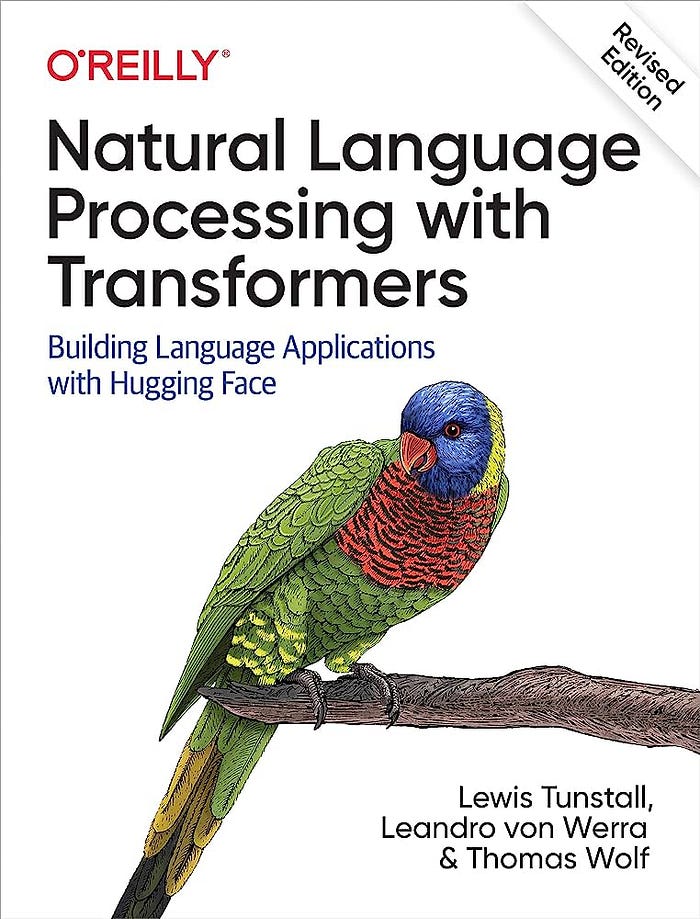
Venturing further into the realm of AI, we encounter the field of Natural Language Processing (NLP). "Natural Language Processing with Transformers" offers a clear and concise overview of this domain. It provides a solid foundation on NLP, pretrained word vectors, and models. This book equips its readers with the necessary knowledge to train and evaluate a language model confidently.
3. "Dive into Deep Learning"
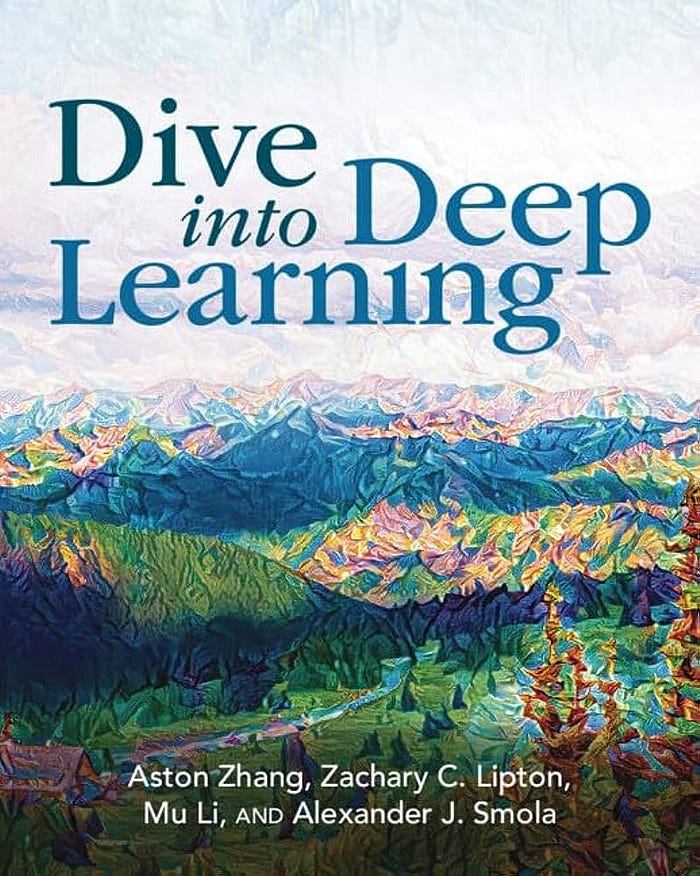
Deep learning forms the bedrock of GPT, and "Dive into Deep Learning" is an excellent gateway into this field. Its strength lies in its systematic approach, gradually introducing concepts with the help of runnable code. This book equips readers with a strong grasp of deep neural networks.
For those seeking additional resources, consider these three books: "Neural Networks and Deep Learning", "Deep Learning from Scratch", and "Natural Language Processing". Written in a user-friendly manner, they are perfect for beginners. Furthermore, for a deeper understanding of models like Bert, "Getting Started with Google BERT" is highly recommended.
4. "Machine Reading Comprehension: Algorithms and Practice"
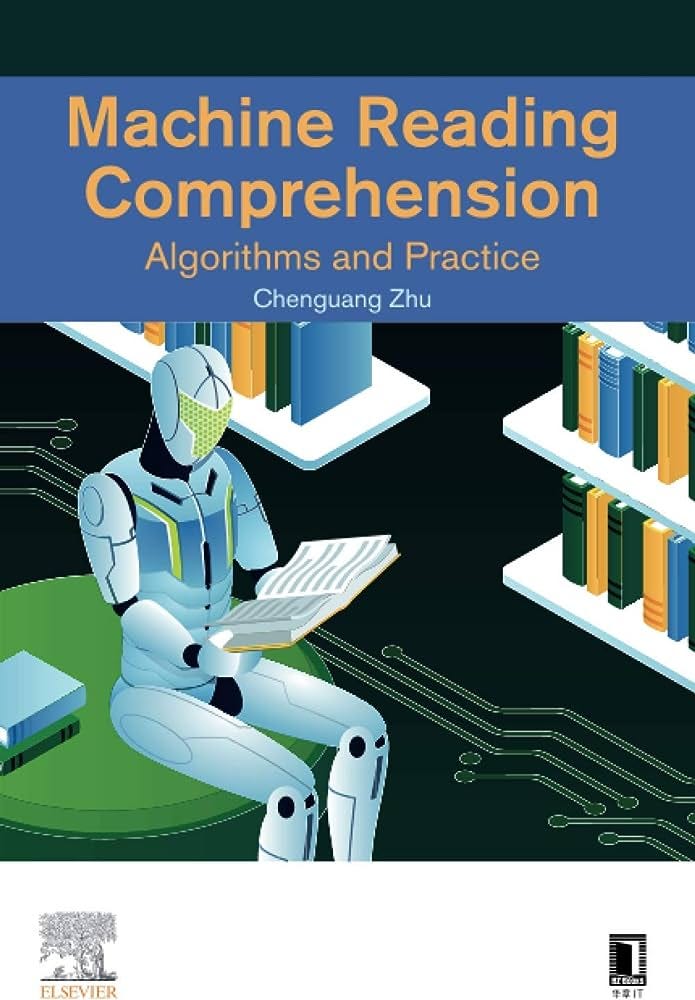
As we zoom in on the tasks within natural language processing, machine reading comprehension emerges as a field closely intertwined with GPT. "Machine Reading Comprehension: Algorithms and Practice" offers valuable insights into the evolution, latest models, and evaluation methods of machine reading comprehension. Another recommended read in this domain is "Deep Learning Based Machine Reading Comprehension".
Conclusion
The journey to understanding GPT is an exciting one, filled with learning and discovery. Whether you're looking to grasp the workings of GPT or get hands-on with training a language model, these books offer a comprehensive guide. By engaging with these resources and practicing with actual models, your fears and anxieties about the AI revolution might just transform into excitement and anticipation.
I encourage readers to share their thoughts and experiences. Have you delved into any of these books? What's been your experience in learning about GPT? What other resources have you found useful? Let's foster a lively discussion and navigate the AI revolution together!