

Chances are within this week alone, you've received a package shipped directly by Amazon.
And no, I'm far from exaggerating these odds: after all, the e-commerce giant has 310 million active customers a month.
For comparison, that's the size of the entire U.S. population. Yes, their customer base is that huge.
So to say Amazon is just a 'popular' brand is probably doing it a heinous injustice — it's one of the most successful businesses the world has ever seen.
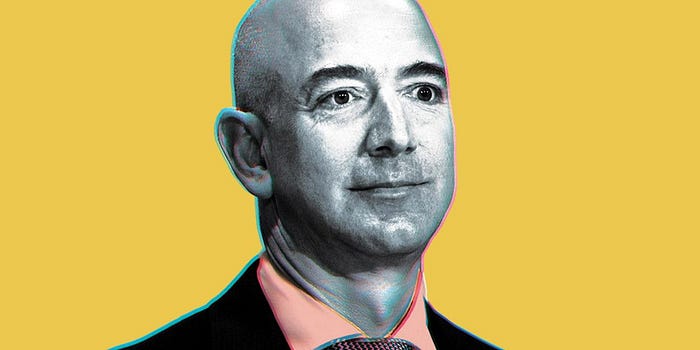
And its CEO, Jeff Bezos — the brains behind the now multinational brand — has definitely got more than a few handy marketing tricks up his sleeve.
After all, to build 'the Everything Store' from scratch must have taken some extremely smart strategizing.
What once started as an online bookstore is now the largest online retailer in the world — and it's no wonder marketers want in on the secrets.
And I have to admit, I got curious myself: after all, I do marketing for a grooming brand that's just recently been listed on Amazon itself!
E-commerce was something I pushed for because of the success I've seen other brands have on Amazon, so learning from the best of the best (and well, the one who can help to bring in the moolah)— seems to be a smart thing to do, right?
Without further ado, here are four of the best tips that I have gleaned from studying Bezos's genius marketing over the years:
A 'Customers First' Obsession
I'm sure we've all heard many brands preaching how they 'put their customers' first.
And most of the time, these turn out to be no more than a few lackluster customer feedback surveys and empty pleasantries thrown out for good measure.
Bezos, on the other hand, is the epitome of true customer obsession. Let's take a look at some of the things he's done.
Take Amazon's recommendation engine, for example. Powered by extremely intelligent AI algorithms, Amazon's search engine can swiftly analyze customer preferences and behavior which they then tailor to smart product suggestions.
Another testament to Bezos' customer obsession is Amazon Prime. It's practically a loyalty program on steroids.
It not only offers perks like fast shipping but it also allows exclusive access to entertainment and more that goes way beyond monetary transactions.
And what that does is it transforms customers into members, fostering valuable long-term relationships.
Now, no one expects you to come up with a game-breaking algorithm or a loyalty program that'll give your customers free Ferraris.
But the idea of crafting well-meaning marketing initiatives that will serve your customers is the main takeaway here.
For example, taking a leaf from Bezos's book, Amazon Prime has inspired me to launch my brand's very own e-commerce subscription program!
While it does not have all the whistles and bells that Prime has, it comes with a fundamental loyalty program — which will keep our brands' loyal customers coming back for more.
Innovative Disruption In Marketing
To truly get ahead in marketing, brands need to learn how to be disruptive.
That means constantly thinking of different approaches to entertain, educate, and engage their customers.
After all, the average person sees up to 10,000 ads a day. Yes, you read that right — so brands have no choice but to constantly innovate to stand out.
At Amazon, Bezos introduced the concept of one-click shopping, streamlining the entire purchase process.
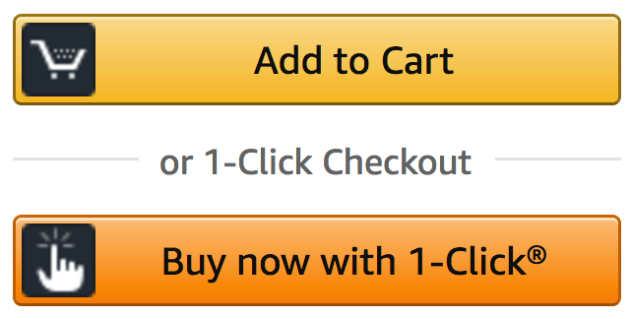
This seemingly basic change paid huge dividends by removing friction from online transactions, making the buying experience more efficient.
This feature not only enhanced user experience but also set a new gold standard for marketing on e-commerce platforms.
What this tells us is simple: you don't have to make grand marketing gestures to create a big impact on your brand.
Sometimes, it's just about taking a close look at your customer journey and finding every opportunity to tweak and improve the smallest things that will make their interaction with your brand ultimately better.
I've applied this concept to my brand as well. After noticing that the bulk of my brand inquiries come from Instagram Direct, we've engaged our customer service response team to come up with a repertoire of clever automated responses — in which we've seen an increase in satisfaction rates since.
Data-Driven Decision Making
If you're a marketer who's still not utilizing data to your advantage, it's high time to start right now.
The difference between Amazon and the thousands of other e-commerce platforms out there is the way it uses customer data to its advantage.
Bezos and Amazon's marketing engine is fueled by the meticulous analysis of customer data.
Every click, search, and purchase on the platform generates valuable information.
By understanding every customer's preferences and behavior, Amazon can precisely target audiences with personalized ads, content, and even marketing campaigns!
This level of precision ensures that marketing messages resonate with consumers.
In short, customers only see what they want to see.
Now, compare this to other brands who adopt a one-size-fits-all marketing approach to every customer — this reduces the chance of customers seeing an ad that's relevant to them.
The lesson here? Learn to use data at every touchpoint — it'll help you enormously not only helping you understand your customers better but also craft more relevant campaigns around them.
That way, they'll feel that your brand is speaking directly to them, and not just talking to the masses in a distant and insincere manner.
A great way to start doing this is A/B testing with ads. I've used this on my brand to resounding success — simply by tweaking the target audience, ad timings, and even the copies themselves on the ads!
Creating A Diverse Ecosystem
What separates a good marketer from a great one is how they think of the long run.
Bezos' strategic vision went beyond traditional online retail commerce; it extended into creating a comprehensive ecosystem that caters to diverse consumer needs.
One apt example is the combination of Amazon Prime and its popular e-book reader, Kindle.
Amazon also often teamed up with third-party sellers to host content from major studios on Prime Video, opening up to new target demographics (which eventually converted to actual, paying customers).
If you're able to create an ecosystem within your brand where your customers can derive value from a host of your product offerings, that's when their lifetime value increases significantly.
Start by thinking of what kind of product or initiative can complement your current offerings (for example: launching a computer mouse when your brand sells keyboards).
From there, build up a cohesive ecosystem (for example: marketing those two products as desktop essentials, coupled with matching designs and functionalities) so that your customers can benefit from having all of your products together.
Conclusion
Bezos' marketing genius allowed Amazon to go from just your standard run-of-the-mill e-commerce platform to a global one-stop shop for all your needs.
Utilize these four marketing tips well and you just might be able to take your brand to the next level.
What's your take on Amazon's marketing strategy?