


At first glance, Scandinavian and Japanese minimal design aesthetics appear similar — both embodying stripped-down, essential looks. However, when you dig deeper into these styles, distinct differences appear representing their unique cultural philosophies and values.
This article explores how cultural values shaped this effect, understanding how digital products can create experiences that tap into specific perspectives.
Scandi Minimalism

Scandinavian design is recognisable worldwide for its minimalism and functionality, which stems directly from long-held cultural values.
Scandinavian cultures place importance on the concept of 'Hygge', which follows the principles of cosiness, familiarity, and intimacy. Entwined with Hygge is 'Lagom', which promotes balance, moderation, and contentment.
These values manifest in product design that evokes warmth and welcome through:
- Natural textures and muted, earthy colour palettes
- Inviting, organic shapes and proportions
- Use of natural lighting and lots of white space
This idea of closeness is also considered to be one with nature, hence designs tend to incorporate naturalistic elements such as wood grains, wool textiles and ceramics, connecting users to the natural world of the scandi aesthetic.
The natural richness balanced with a cultural desire for functionality and utility forms the famous Scandi simplism, a total 360 from high ornamentation styles.
Naturalism into Digital

This cultural view is seen similarly in Scandinavian digital experiences, emphasising usability, familiarity, warmth, and seamless workflows. For example:

Spotify's mobile app uses muted colour schemes and friendly, rounded shapes to feel welcoming with a UI strongly focused on utility.

Supercell's mobile games like Clash Royale use simple, soft characters and natural textures alongside highly-functional controls.
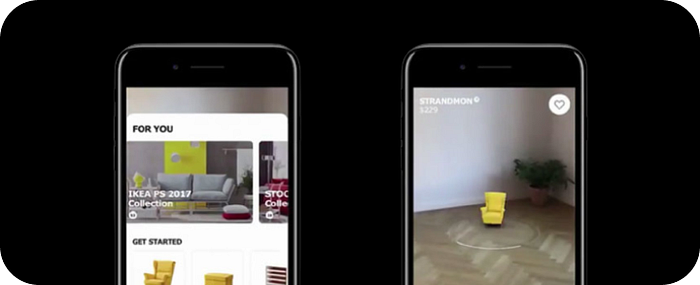
The IKEA retail app focuses on clean, minimalist navigation that helps users easily visualise products in their homes.
These apps empathise with humanism & usability to bridge the shrinking human-product divide, avoiding complexity and prioritising intuitive interactions that feel organic.
Japanese Zen

In Japanese product design, we also see this familiar minimalist aesthetic, however, the underlying cultural values differ from those of Scandinavian culture which produces a distinct visual and experiential approach.
Japanese minimalism draws heavily from Zen Buddhist philosophies of focus, tranquillity, and harmony with nature. The core sensibility of 'Ma', sometimes translated as "negative space", celebrates emptiness and intentional placement as enhancing an object's essence, seen throughout Japanese minimalism.
Additionally, the Japanese value of 'Wa' promotes balance, orderliness, and unity, manifesting in asymmetry and subtle imperfections that convey naturalness and flow.
Together through the principles of Ma and Wa, we see product designs defined by extremely refined simplicity, craftsmanship, and reverence for materials. Small decorative touches are applied with care and meaning, and utility comes not from lack of decoration but precision and harmony.
Zen made Digital

These cultural sensibilities carry over directly into well known Japanese digital product design, where interfaces and interactions focus on serenity, intentionality, and refinement, such as:
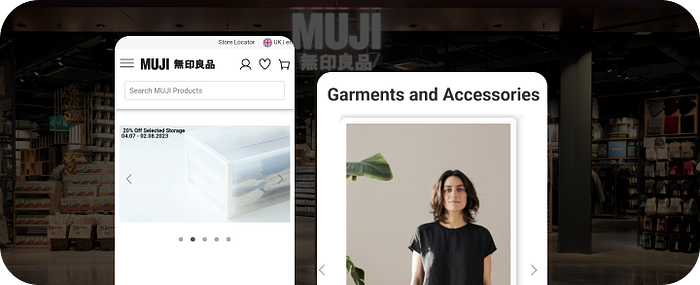
The Muji retail app uses inobtrusive navigation, lots of whitespace, and natural textures to evoke calmness.

Nintendo's Switch device UI has an extremely clean and stripped down aesthetic that enables focus on the games.
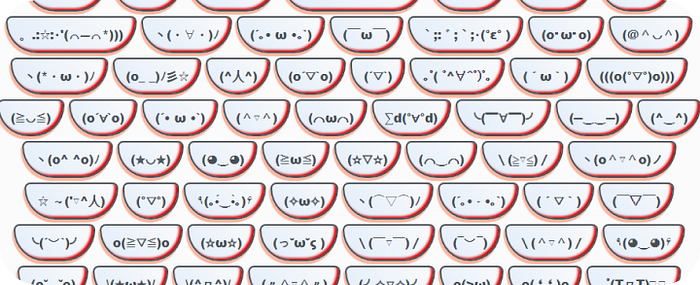
Japanese kaomojis celebrate the details of emotion in a simple but expressive way.
While also minimalist, the UX avoids overload and aims for subtlety, with care put into small flourishes that add richness without distraction, and with flows that are mindful and aimed at focus.
The Difference in Minimalism

While both Scandinavian and Japanese product design embrace minimalism through reduced complexity, the divergent cultural foundations of 'Hygge & Lagom' opposed to 'Ma & Wa' lead to two distinct approaches.
The Scandinavian perspective produces experiences meant to be welcoming, familiar, and human-focused. In contrast, Japanese culture values subtlety, craftsmanship, and focus.
Product designers must recognize these cultural outlooks in order to create aesthetics and experiences that resonate at a deeper level with users throughout all experiences, understanding the nuances in cultural thinking, not just language translation.
In Summary

Minimalism is just one of many examples where cultural foundation shapes what should be similar into two distinct identities, and as designers this shows us how cultural and philosophical outlook shapes both aesthetics and experiences in ways that can easily be overlooked at first.
Tapping into the powerhouse of cultural perspective grants us as designers not only a deeper level of empathy for users, but also allows meaningful connections to be formed between our products and its users.