
Embarking on a PhD is like setting sail on a vast, uncharted sea. You're navigating academic waters filled with thrilling discoveries, but also unpredictable storms. Looking back, I realize there are five books that could've been my compass, anchor, and lighthouse during this journey. They offered insights into long-term thinking, critical reading, career planning, communication, and self-promotion — skills I didn't know I needed but now swear by.
Here's why I wish I had these five gems before I started my PhD, complete with lessons, stories, and strategies that can help you navigate your own academic odyssey.
1. The Long Game: How to Be a Long-Term Thinker in a Short-Term World
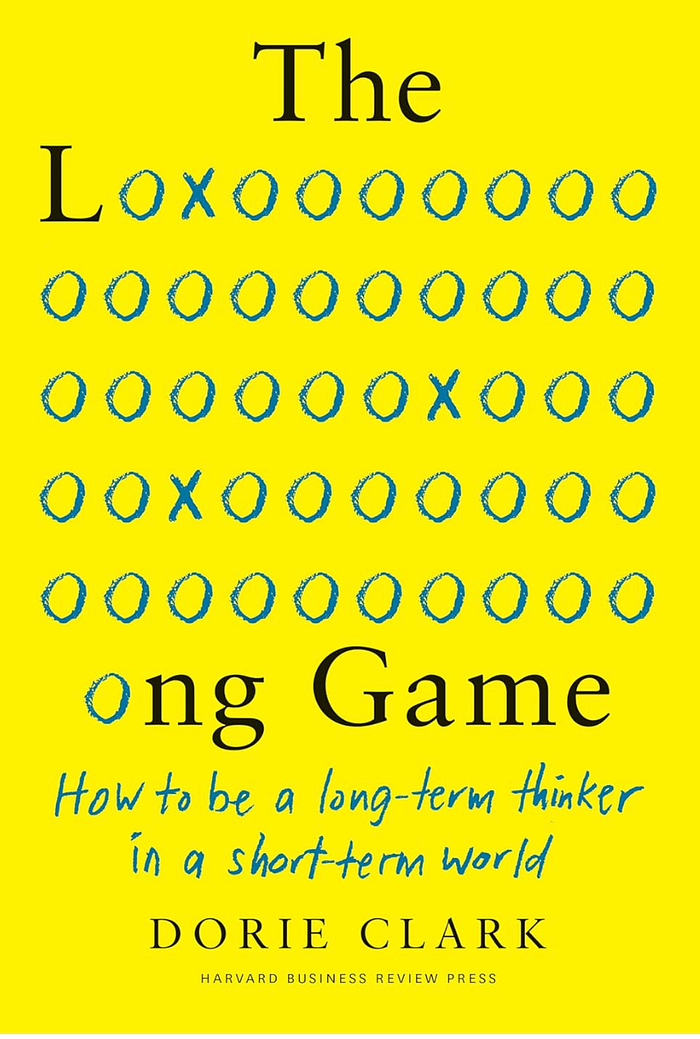
Dorie Clark's The Long Game is a powerful reminder that in a world obsessed with quick wins, long-term thinking is a superpower. PhDs are the epitome of delayed gratification, but during my early years, I often felt lost in the grind of day-to-day tasks — chasing publications, meeting deadlines, and surviving committee meetings.
Clark's concept of "strategic patience" could have been a game-changer for me. She explains that small, consistent efforts compound over time, much like academic research. For instance, instead of sporadically writing papers under pressure, a more deliberate, consistent writing practice could have saved me countless sleepless nights.
Data supports this: researchers who publish regularly, even in smaller journals, tend to have more sustained careers than those chasing one "big hit." This book taught me to focus on the bigger picture — building a body of work that aligns with my long-term goals.
2. Reading Critically at University

Let's face it, most of us skim through papers, highlighting key sections and nodding along, thinking we've done our job. Reading Critically at University taught me that true critical reading is more like a debate than a lecture. It's about questioning the author's assumptions, methods, and conclusions.
Early in my PhD, I fell into the trap of believing that everything published in top journals was gospel. Then, I attended a seminar where a senior professor tore apart a highly cited paper. That's when I realized I needed to develop my critical lens. This book offers practical strategies for dissecting arguments and evaluating evidence, helping you move from passive consumption to active engagement.
A study by Stanford University shows that students who master critical reading are 30% more likely to produce original research. This book helped me transform how I approach literature, leading to more insightful and innovative contributions to my field.
3. The Power of a PhD by Dr. Isa Adney
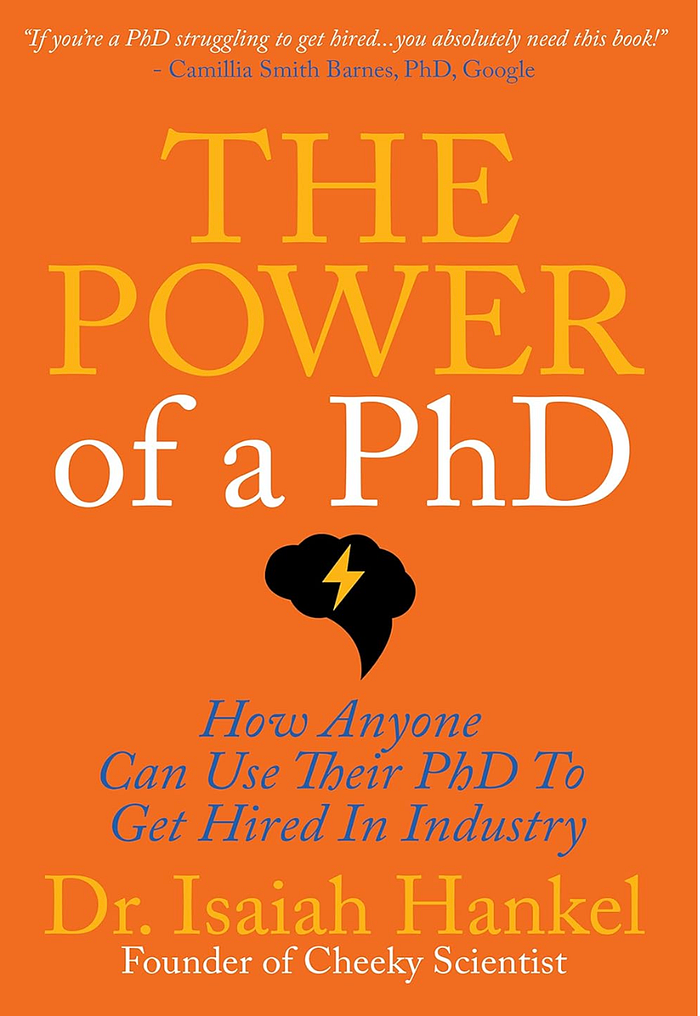
Before starting my PhD, my career plan was, well… non-existent. "I'll figure it out later," I thought. Turns out, "later" arrives much sooner than you'd expect. Dr. Isa Adney's The Power of a PhD highlights how to leverage the skills you develop during your PhD — critical thinking, project management, data analysis — for careers beyond academia.
Adney emphasizes the importance of transferable skills and networking, two things I completely overlooked. I wish I had known that 70% of jobs are filled through networking, according to LinkedIn data. Her advice on conducting informational interviews opened my eyes to opportunities in industries I had never considered.
By the time I graduated, I had friends landing roles at Google, consulting firms, and think tanks — all leveraging their PhD experience. This book made me realize that a PhD isn't just about academic credentials; it's a passport to a world of possibilities.
4. Speak with Confidence by Mike Acker
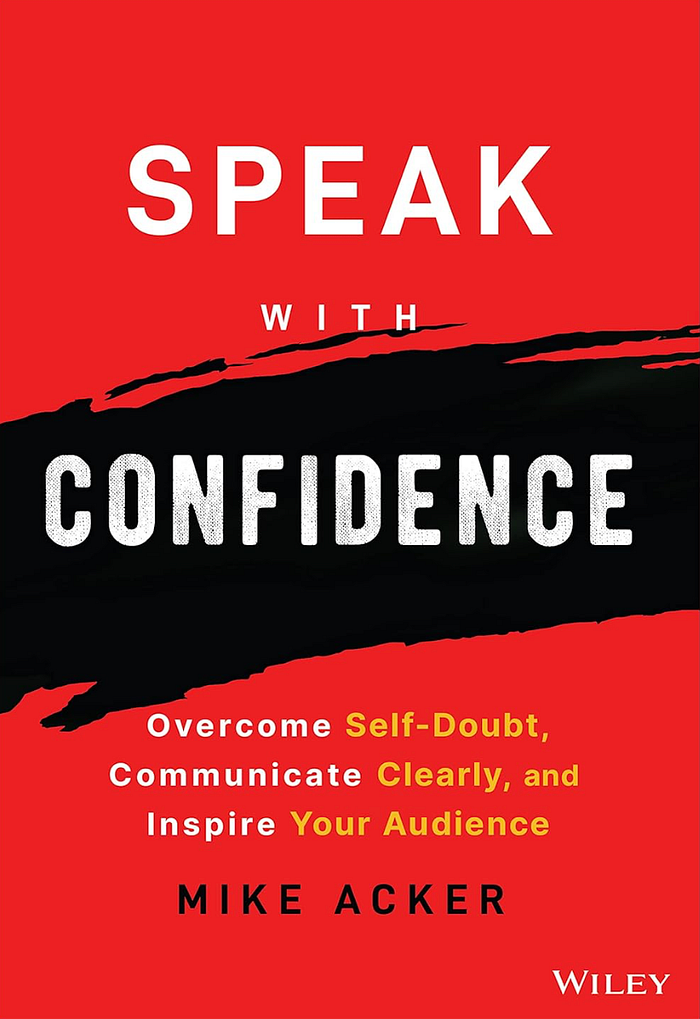
Public speaking is unavoidable during a PhD. Whether it's presenting at conferences, defending your thesis, or simply explaining your research to peers, your ability to communicate can make or break your academic journey. Mike Acker's Speak with Confidence provides actionable strategies to transform fear into self-assurance.
I vividly remember my first conference presentation. My palms were sweaty, my voice shaky, and my slides… well, let's not talk about those. If only I had read this book earlier! Acker emphasizes the importance of preparation, audience connection, and storytelling — three elements that turned my later presentations into engaging, memorable experiences.
Harvard Business Review reports that confident speakers are perceived as 30% more competent, regardless of content. This book doesn't just teach you to speak; it helps you own the room.
5. Show Your Work! by Austin Kleon
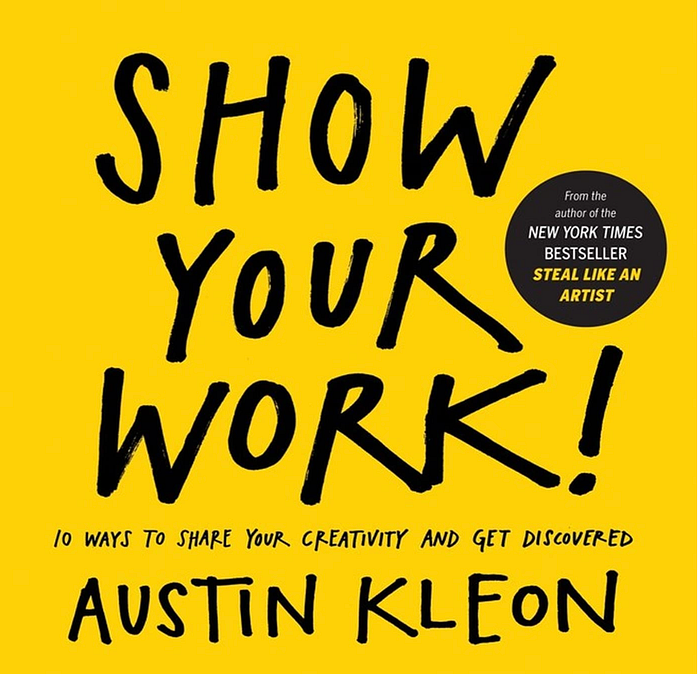
In academia, we often believe our work will speak for itself. Spoiler: It won't. Austin Kleon's Show Your Work! is a manifesto for sharing your process, not just your polished results.
During my PhD, I started posting snippets of my research journey — failed experiments, brainstorming sessions, and even "aha" moments — on social media. To my surprise, this openness led to collaborations, feedback, and even a few invitations to speak at workshops.
Kleon's principle of "sharing what you're learning" resonated deeply. It's about building an academic identity and connecting with a community. Studies show that researchers with active online profiles are cited more often. This book gave me the confidence to showcase my journey, turning academic isolation into a network of support and recognition.
Conclusion
These five books have one thing in common: they equip you with tools to not just survive but thrive during your PhD. They teach you to think long-term, read critically, plan your career, communicate effectively, and share your work with the world.
If you're just starting or even contemplating a PhD, do yourself a favor — pick up these books. They might not shorten the road, but they'll make the journey far more rewarding.
Happy reading, and here's to making the most of your PhD adventure!